
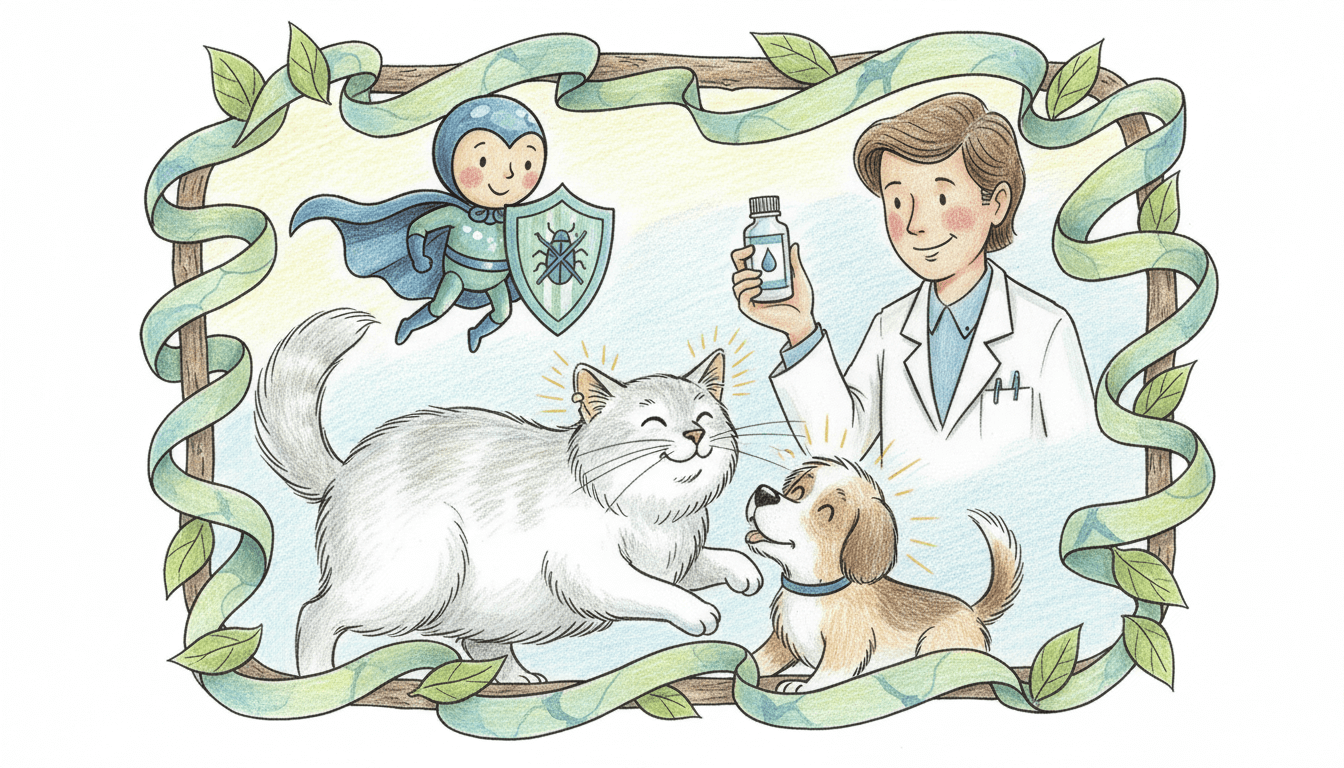
Ear mites, scientifically known as Otodectes cynotis, are microscopic parasites that infest the ear canals of pets, causing intense itching, inflammation, and secondary infections. According to PetSmart Veterinary Services, these pests thrive in warm, humid environments and are especially common in cats, though dogs can also be affected. Left untreated, ear mite infestations may lead to severe discomfort, hematomas from scratching, and even permanent hearing loss. This comprehensive guide explores the causes, symptoms, and proven prevention strategies to help pet owners maintain optimal ear health for their furry friends.
Sections
Understanding Ear Mites and Their Impact
Ear mites are highly contagious parasites that feed on ear wax and skin oils, with a lifecycle of about three weeks. Infestations often result in dark, crumbly debris resembling coffee grounds in the ear canal. Pets may exhibit symptoms such as head shaking, scratching, and odor. In severe cases, bacterial or yeast infections can develop, complicating treatment. Studies indicate that up to 50% of feline ear infections are linked to mites, underscoring the need for vigilance. Regular monitoring and early intervention are critical to prevent chronic issues and ensure pet comfort.
Risk Factors for Ear Mite Infestations
Several factors increase the likelihood of ear mite infestations. Warm environments and high humidity, as noted in the data, create ideal breeding conditions, with mites proliferating rapidly in temperatures above 70°F (21°C). Limited grooming, whether due to pet age, health issues, or owner neglect, allows debris buildup that attracts mites. Multi-pet households and exposure to infected animals, such as in boarding facilities, also elevate risks. Cats are particularly vulnerable due to their grooming habits and ear structure, but puppies and senior dogs with weakened immunity are equally at risk. Addressing these factors through environmental management and routine care can significantly reduce infestation rates.
Effective Prevention Methods
Preventing ear mites involves a multi-faceted approach. Regular ear checks, recommended weekly, allow for early detection of mites or abnormalities. Use a veterinarian-approved ear cleaner, applying 5-10 drops per ear and massaging the base to loosen debris. Wipe away excess with a cotton ball, avoiding deep insertion. Veterinarian-recommended preventives, such as topical treatments containing selamectin or moxidectin, applied monthly, can repel mites. Additionally, maintain a clean living space, wash bedding regularly, and limit contact with unknown animals. Annual vet exams, including ear cytology, help monitor health and adjust prevention plans as needed.
Treatment Options and Professional Care
If an infestation occurs, prompt veterinary care is essential. Treatments often include prescription acaricides, anti-inflammatory medications, and antibiotics for secondary infections. Over-the-counter products may be ineffective or harmful, so always consult a professional. Follow-up appointments ensure mites are eradicated, as eggs can survive initial treatments. In multi-pet scenarios, treat all animals simultaneously to prevent reinfestation. Costs vary, but early treatment typically ranges from $100 to $300, whereas advanced cases may exceed $500 due to complications. Adhering to post-treatment protocols, like continued cleaning and preventive applications, supports full recovery.
Key Takeaways
Ear mites are common in warm, humid climates and can cause severe discomfort if untreated.
Cats are highly susceptible, but all pets benefit from regular ear checks and cleaning.
Use veterinarian-approved preventives and cleaners to reduce infestation risks.
Early detection and professional treatment prevent complications like hearing loss.
Maintain a clean environment and limit exposure to infected animals for overall ear health.
Frequently Asked Questions
How often should I check my pet's ears for mites?
Can ear mites spread to humans?
What is the best way to clean my pet's ears?
Are over-the-counter ear mite treatments safe?
Conclusion
Proactive ear care is fundamental to your pet's well-being, particularly in mitigating ear mite risks. By integrating regular checks, proper cleaning, and veterinarian-backed preventives into your routine, you can protect your pet from discomfort and serious health issues. Remember, early intervention saves time, costs, and stress. For personalized advice, consult a trusted veterinarian and explore Pet Services Best for additional resources on grooming, boarding, and training to support a holistic approach to pet care.
Related Comparisons

Managing Canine Obesity and Weight Health: A Comprehensive Guide
Canine obesity is a critical health issue affecting over 50% of dogs in developed countries, leading to preventable conditions like diabetes, arthritis, and heart disease. This guide details evidence-based strategies from veterinary experts, including balanced nutrition with precise portion control, structured exercise regimens, and regular body condition scoring. Implementing these methods can extend your dog's lifespan by up to 2 years while enhancing mobility and overall vitality. Proactive weight management is essential for ensuring your pet's long-term well-being.

Intestinal Parasite Management in Pets: Prevention, Diagnosis, and Treatment
Intestinal parasites such as coccidia and giardia pose significant health risks to pets, especially puppies and kittens, by causing symptoms ranging from mild diarrhea to severe dehydration and malnutrition. Transmission primarily occurs via the fecal-oral route, contaminated water, or maternal sources. Effective management includes strict hygiene protocols, immediate feces cleanup, and regular veterinary screenings. Treatment protocols vary between dogs and cats, underscoring the necessity of professional veterinary oversight for accurate diagnosis and tailored care to ensure pet well-being.

Comprehensive Parasite Prevention Strategies for Optimal Pet Health
Parasite prevention is a critical component of responsible pet ownership, requiring year-round vigilance against threats like heartworms, fleas, ticks, and intestinal parasites. This guide details evidence-based strategies, including tailored medication protocols, annual screenings, and environmental management to protect pets from serious diseases such as Lyme disease and ehrlichiosis. Following American Animal Hospital Association guidelines, we emphasize integrating prevention into routine care to ensure long-term health and well-being for your companion animals.
Understanding Parvovirus in Dogs: Risks, Prevention, and Advanced Treatment Options
Canine parvovirus is a highly contagious and potentially fatal viral disease primarily affecting puppies between five to ten weeks old and dogs under one year, with unvaccinated individuals being at greatest risk. This comprehensive guide explores transmission routes, clinical signs like severe vomiting and bloody diarrhea, and the critical importance of vaccination. Recent medical advancements, including monoclonal antibody therapies, are highlighted as innovative treatment options. Prevention strategies such as limiting exposure and maintaining proper hygiene are emphasized to protect your pet's health.
Detecting and Preventing Kidney Disease in Cats: A Professional Guide
Chronic kidney disease is a leading cause of morbidity in cats, affecting up to 30% of felines over age 15. Early detection through regular blood work and urinalysis is crucial since clinical signs often appear only after significant kidney damage. Prevention strategies include maintaining optimal hydration, feeding renal-supportive diets, and managing risk factors like hypertension. With proper veterinary care and owner vigilance, progression can be significantly slowed, maintaining quality of life for years.
Understanding Pet Allergies: Causes, Symptoms, and Management Strategies
Pet allergies are immune responses to substances like food ingredients, environmental triggers, or parasites such as fleas. Common symptoms include persistent itching, skin infections, and gastrointestinal distress, affecting up to 10% of dogs and cats. Effective management requires veterinary diagnosis through methods like elimination diets or allergy testing, followed by tailored interventions including hypoallergenic nutrition, environmental controls, and medical treatments to alleviate discomfort and enhance your pet's quality of life.

Essential Dog Vaccination Guide: Core and Non-Core Vaccines Explained
This comprehensive guide explains the critical importance of dog vaccinations for preventing life-threatening diseases. It details core vaccines—rabies, distemper, parvovirus, and adenovirus-2—which are essential for all dogs, and non-core vaccines like kennel cough, Lyme disease, and canine influenza, recommended based on exposure risks. Emphasizing the role of annual veterinary check-ups, the article provides a structured vaccination schedule, addresses common concerns, and highlights how vaccinations contribute to long-term canine health and community safety, backed by insights from the American Veterinary Medical Association.

Feline Parasite Prevention Guide: Protecting Your Cat from Heartworms, Intestinal Parasites, Fleas, and Ticks
Comprehensive guide on preventing common feline parasites including heartworms, intestinal worms, fleas, and ticks. Learn personalized prevention strategies with oral medications, topical treatments, and preventive collars. Discover why year-round protection tailored to your cat's lifestyle and regional risks is essential for optimal health, reducing disease transmission and severe complications. Based on veterinary recommendations from VCA Animal Hospitals.

Comprehensive Feline Vaccination Guide: Core Shots, Schedules, and Health Protection
This guide details essential feline vaccinations to safeguard cats from severe diseases. Core vaccines, including rabies, feline panleukopenia virus, feline herpesvirus, and calicivirus, form the foundation of preventive care, while optional vaccines like feline leukemia virus address specific exposure risks. Tailoring vaccination plans based on a cat's age, health, and lifestyle, with regular veterinary consultations, ensures optimal protection. Adhering to recommended schedules helps prevent outbreaks and supports long-term feline wellness, reducing mortality from preventable illnesses.

Heartworm Prevention and Detection: Essential Strategies for Protecting Your Pet
Heartworm disease is a serious, potentially fatal condition transmitted by mosquitoes, primarily affecting dogs but also cats and other mammals. Prevention through year-round medications is strongly recommended by veterinarians, as treatment can be complex and risky. Regular testing, even in cooler climates, ensures early detection and effective management. Many preventive options, including oral, topical, and collar-based solutions, also provide protection against intestinal parasites, offering comprehensive care for your pet's health. Understanding transmission, prevention methods, and the importance of veterinary guidance is crucial for keeping pets safe.

Pet Spaying and Neutering Benefits: Essential Health and Behavioral Advantages
Spaying and neutering are critical veterinary procedures that provide substantial health and behavioral benefits for pets, including preventing infections like pyometra and reducing cancer risks such as mammary tumors by up to 99% in spayed females. These surgeries also curb undesirable behaviors like roaming and aggression, while contributing to population control. Veterinarians recommend timing based on breed, age, and health, with early-age options available for many pets. Adhering to professional guidelines ensures optimal outcomes for your pet's well-being.

Managing Feline Dental Health: Prevention, Risks, and Professional Care
Dental disease affects over 70% of cats by age three, making proactive oral care essential. This comprehensive guide details evidence-based prevention strategies including daily tooth brushing with VOHC-approved products, professional cleanings, and dental chews. Learn to recognize early signs of plaque buildup, gingivitis, and periodontal disease that can lead to systemic infections and organ damage. With contributions from veterinary experts, discover how consistent dental hygiene preserves your cat's quality of life and prevents painful complications.

Senior Pet Health Management: Comprehensive Care for Aging Companions
As pets enter their senior years, typically around age 7 for dogs and 10 for cats, their healthcare needs evolve significantly. This comprehensive guide covers essential aspects of senior pet care, including the critical importance of twice-yearly veterinary check-ups recommended by PetSmart Veterinary Services. We explore four major age-related conditions—heart disease, kidney dysfunction, cancer, and thyroid disorders—and detail monitoring protocols involving comprehensive blood work and physical examinations. Early detection through systematic screening can dramatically improve quality of life and potentially extend your pet's lifespan by addressing health issues before they become advanced.

Comprehensive Pet Vaccination Guide: Protecting Your Companion Animals from Infectious Diseases
This essential guide provides detailed information about core vaccinations for dogs and cats, including rabies, distemper, parvovirus, leptospirosis, panleukopenia, herpesvirus, and calicivirus. Learn about vaccination schedules, disease prevention strategies, and how personalized immunization protocols can protect your pets from life-threatening infections based on their specific health needs, age, and environmental risk factors. Following American Veterinary Medical Association guidelines ensures optimal protection for your beloved companions.