

Dental health is a cornerstone of overall pet wellness, yet it remains one of the most neglected areas by pet owners. According to Veterinary Dental Experts, 70-80% of dogs and cats exhibit signs of dental disease by the age of three. This condition, if left untreated, can lead to painful infections, systemic inflammation, and life-shortening complications such as heart, kidney, and liver diseases. This comprehensive guide explores the importance of regular dental care, effective prevention strategies, and the critical role of professional veterinary oversight in safeguarding your pet's health and longevity.
Sections
Understanding Dental Disease in Pets
Dental disease in pets, primarily periodontal disease, begins with plaque accumulation that hardens into tartar, leading to gingivitis and periodontitis. Studies show that by three years old, 70-80% of pets are affected, with symptoms including bad breath, red or bleeding gums, difficulty eating, and tooth loss. The bacteria from oral infections can enter the bloodstream, causing systemic issues like endocarditis or nephritis. Early detection through regular inspections and understanding breed predispositions (e.g., small dogs are more susceptible) is vital for timely intervention.
Essential At-Home Dental Care Practices
Regular brushing with pet-specific toothpaste (never human products, as they contain toxic ingredients like xylitol) is the gold standard for at-home care. Aim for daily brushing using a soft-bristled toothbrush or finger brush, focusing on the outer surfaces. Incorporate dental chews, water additives, and prescription diets approved by the Veterinary Oral Health Council (VOHC) to reduce plaque by up to 70%. Consistency is key; start routines early in your pet's life to acclimate them, and monitor for behavioral changes indicating discomfort.
The Role of Professional Veterinary Check-Ups
Annual dental examinations by a veterinarian are non-negotiable for comprehensive care. These check-ups include oral assessments, dental probing, and radiographs to identify subgingival issues. Professional cleanings under anesthesia allow for thorough scaling and polishing, reducing tartar buildup and preventing progression to advanced stages. Veterinarians may recommend treatments like extractions or fluoride applications based on individual needs. Data confirms that pets receiving annual dental care have a 60% lower risk of developing severe dental diseases, underscoring the value of professional oversight.
Impact of Dental Health on Overall Well-Being
Poor dental health directly correlates with reduced lifespan and quality of life. Chronic oral inflammation can exacerbate conditions like diabetes and compromise immune function. Research indicates that pets with untreated dental disease may live 2-4 years less than those with maintained oral hygiene. By addressing dental issues proactively, owners can prevent pain, improve nutrition absorption, and support vital organ function, ultimately enhancing their pet's vitality and longevity.
Key Takeaways
Brush your pet's teeth daily with veterinarian-approved toothpaste to prevent plaque buildup.
Schedule annual veterinary dental check-ups to detect and treat issues early.
Use VOHC-approved dental products like chews and diets for supplementary care.
Recognize that dental disease affects 70-80% of pets by age three and can shorten lifespan.
Prioritize professional cleanings to mitigate systemic health risks from oral bacteria.
Frequently Asked Questions
How often should I brush my pet's teeth?
What are the signs of dental disease in pets?
Are anesthesia-free dental cleanings safe for pets?
Can dental disease in pets be reversed?
Conclusion
Prioritizing dental care is essential for your pet's health and happiness. With 70-80% of pets affected by dental disease by age three, consistent at-home routines and annual veterinary visits are crucial. By adopting these practices, you can prevent painful conditions, reduce the risk of systemic diseases, and contribute to a longer, healthier life for your companion. Trust resources like Pet Services Best for ongoing guidance and support in all aspects of pet care.
Related Comparisons

Comprehensive Weight Management for Pets: Preventing Obesity and Enhancing Lifespan
Obesity affects approximately 50% of pets, making it a critical health issue with severe consequences like diabetes, heart disease, and arthritis. This guide explores evidence-based strategies for maintaining a healthy weight through personalized diet and exercise plans, emphasizing veterinary consultation. Learn to identify risks, implement effective routines, and leverage professional insights to safeguard your pet's well-being and longevity.
Pet Ear Health and Mite Prevention: Essential Guide for Pet Owners
Ear mites are a prevalent parasitic issue affecting pets, particularly in warm, humid climates, leading to discomfort and potential hearing complications. This guide details risk factors like warm environments and limited grooming, emphasizing prevention through regular ear checks, proper cleaning techniques, and veterinarian-recommended treatments. Cats are especially susceptible, making consistent ear care vital for overall health. By following expert advice, pet owners can safeguard their companions from infections and ensure long-term wellness.

Managing Canine Obesity and Weight Health: A Comprehensive Guide
Canine obesity is a critical health issue affecting over 50% of dogs in developed countries, leading to preventable conditions like diabetes, arthritis, and heart disease. This guide details evidence-based strategies from veterinary experts, including balanced nutrition with precise portion control, structured exercise regimens, and regular body condition scoring. Implementing these methods can extend your dog's lifespan by up to 2 years while enhancing mobility and overall vitality. Proactive weight management is essential for ensuring your pet's long-term well-being.

Intestinal Parasite Management in Pets: Prevention, Diagnosis, and Treatment
Intestinal parasites such as coccidia and giardia pose significant health risks to pets, especially puppies and kittens, by causing symptoms ranging from mild diarrhea to severe dehydration and malnutrition. Transmission primarily occurs via the fecal-oral route, contaminated water, or maternal sources. Effective management includes strict hygiene protocols, immediate feces cleanup, and regular veterinary screenings. Treatment protocols vary between dogs and cats, underscoring the necessity of professional veterinary oversight for accurate diagnosis and tailored care to ensure pet well-being.

Comprehensive Parasite Prevention Strategies for Optimal Pet Health
Parasite prevention is a critical component of responsible pet ownership, requiring year-round vigilance against threats like heartworms, fleas, ticks, and intestinal parasites. This guide details evidence-based strategies, including tailored medication protocols, annual screenings, and environmental management to protect pets from serious diseases such as Lyme disease and ehrlichiosis. Following American Animal Hospital Association guidelines, we emphasize integrating prevention into routine care to ensure long-term health and well-being for your companion animals.
Understanding Parvovirus in Dogs: Risks, Prevention, and Advanced Treatment Options
Canine parvovirus is a highly contagious and potentially fatal viral disease primarily affecting puppies between five to ten weeks old and dogs under one year, with unvaccinated individuals being at greatest risk. This comprehensive guide explores transmission routes, clinical signs like severe vomiting and bloody diarrhea, and the critical importance of vaccination. Recent medical advancements, including monoclonal antibody therapies, are highlighted as innovative treatment options. Prevention strategies such as limiting exposure and maintaining proper hygiene are emphasized to protect your pet's health.
Detecting and Preventing Kidney Disease in Cats: A Professional Guide
Chronic kidney disease is a leading cause of morbidity in cats, affecting up to 30% of felines over age 15. Early detection through regular blood work and urinalysis is crucial since clinical signs often appear only after significant kidney damage. Prevention strategies include maintaining optimal hydration, feeding renal-supportive diets, and managing risk factors like hypertension. With proper veterinary care and owner vigilance, progression can be significantly slowed, maintaining quality of life for years.
Understanding Pet Allergies: Causes, Symptoms, and Management Strategies
Pet allergies are immune responses to substances like food ingredients, environmental triggers, or parasites such as fleas. Common symptoms include persistent itching, skin infections, and gastrointestinal distress, affecting up to 10% of dogs and cats. Effective management requires veterinary diagnosis through methods like elimination diets or allergy testing, followed by tailored interventions including hypoallergenic nutrition, environmental controls, and medical treatments to alleviate discomfort and enhance your pet's quality of life.

Essential Dog Vaccination Guide: Core and Non-Core Vaccines Explained
This comprehensive guide explains the critical importance of dog vaccinations for preventing life-threatening diseases. It details core vaccines—rabies, distemper, parvovirus, and adenovirus-2—which are essential for all dogs, and non-core vaccines like kennel cough, Lyme disease, and canine influenza, recommended based on exposure risks. Emphasizing the role of annual veterinary check-ups, the article provides a structured vaccination schedule, addresses common concerns, and highlights how vaccinations contribute to long-term canine health and community safety, backed by insights from the American Veterinary Medical Association.

Feline Parasite Prevention Guide: Protecting Your Cat from Heartworms, Intestinal Parasites, Fleas, and Ticks
Comprehensive guide on preventing common feline parasites including heartworms, intestinal worms, fleas, and ticks. Learn personalized prevention strategies with oral medications, topical treatments, and preventive collars. Discover why year-round protection tailored to your cat's lifestyle and regional risks is essential for optimal health, reducing disease transmission and severe complications. Based on veterinary recommendations from VCA Animal Hospitals.
Comprehensive Feline Vaccination Guide: Core Shots, Schedules, and Health Protection
This guide details essential feline vaccinations to safeguard cats from severe diseases. Core vaccines, including rabies, feline panleukopenia virus, feline herpesvirus, and calicivirus, form the foundation of preventive care, while optional vaccines like feline leukemia virus address specific exposure risks. Tailoring vaccination plans based on a cat's age, health, and lifestyle, with regular veterinary consultations, ensures optimal protection. Adhering to recommended schedules helps prevent outbreaks and supports long-term feline wellness, reducing mortality from preventable illnesses.
Heartworm Prevention and Detection: Essential Strategies for Protecting Your Pet
Heartworm disease is a serious, potentially fatal condition transmitted by mosquitoes, primarily affecting dogs but also cats and other mammals. Prevention through year-round medications is strongly recommended by veterinarians, as treatment can be complex and risky. Regular testing, even in cooler climates, ensures early detection and effective management. Many preventive options, including oral, topical, and collar-based solutions, also provide protection against intestinal parasites, offering comprehensive care for your pet's health. Understanding transmission, prevention methods, and the importance of veterinary guidance is crucial for keeping pets safe.

Pet Spaying and Neutering Benefits: Essential Health and Behavioral Advantages
Spaying and neutering are critical veterinary procedures that provide substantial health and behavioral benefits for pets, including preventing infections like pyometra and reducing cancer risks such as mammary tumors by up to 99% in spayed females. These surgeries also curb undesirable behaviors like roaming and aggression, while contributing to population control. Veterinarians recommend timing based on breed, age, and health, with early-age options available for many pets. Adhering to professional guidelines ensures optimal outcomes for your pet's well-being.
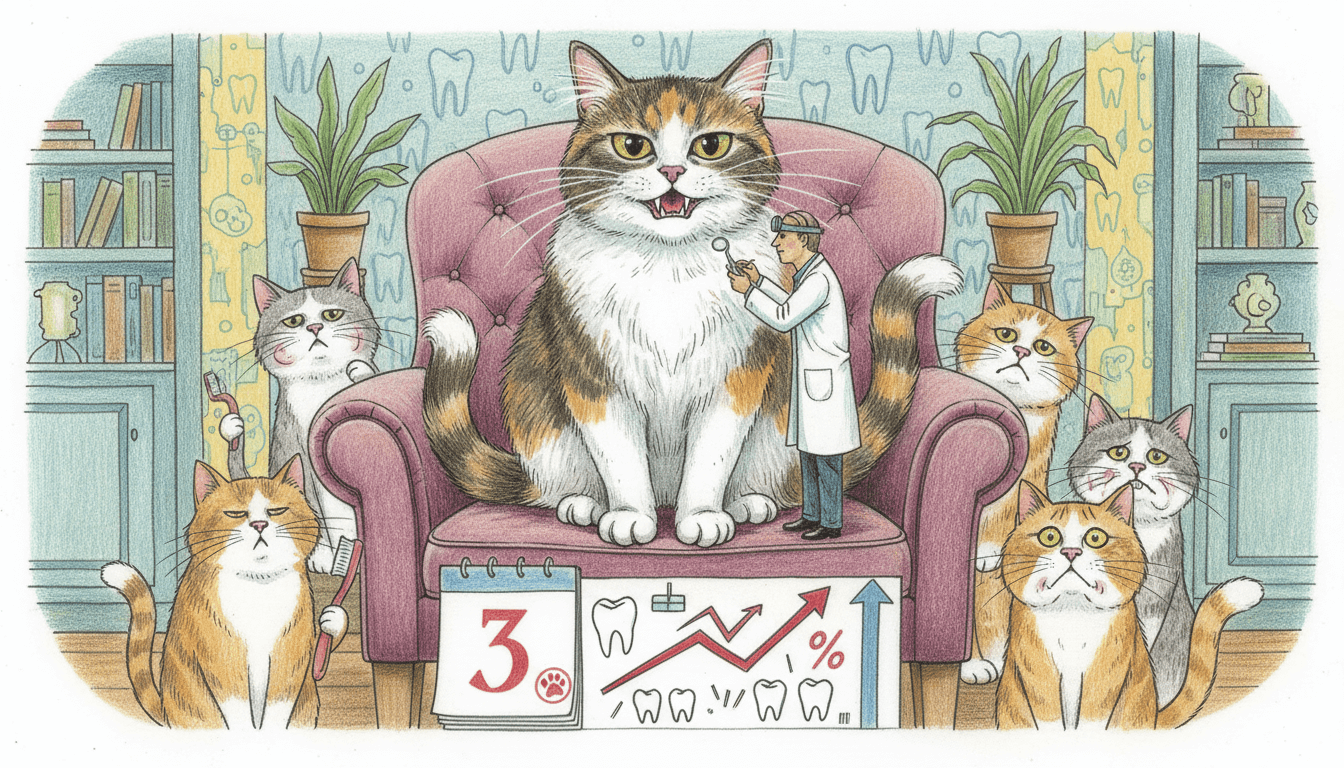
Managing Feline Dental Health: Prevention, Risks, and Professional Care
Dental disease affects over 70% of cats by age three, making proactive oral care essential. This comprehensive guide details evidence-based prevention strategies including daily tooth brushing with VOHC-approved products, professional cleanings, and dental chews. Learn to recognize early signs of plaque buildup, gingivitis, and periodontal disease that can lead to systemic infections and organ damage. With contributions from veterinary experts, discover how consistent dental hygiene preserves your cat's quality of life and prevents painful complications.