
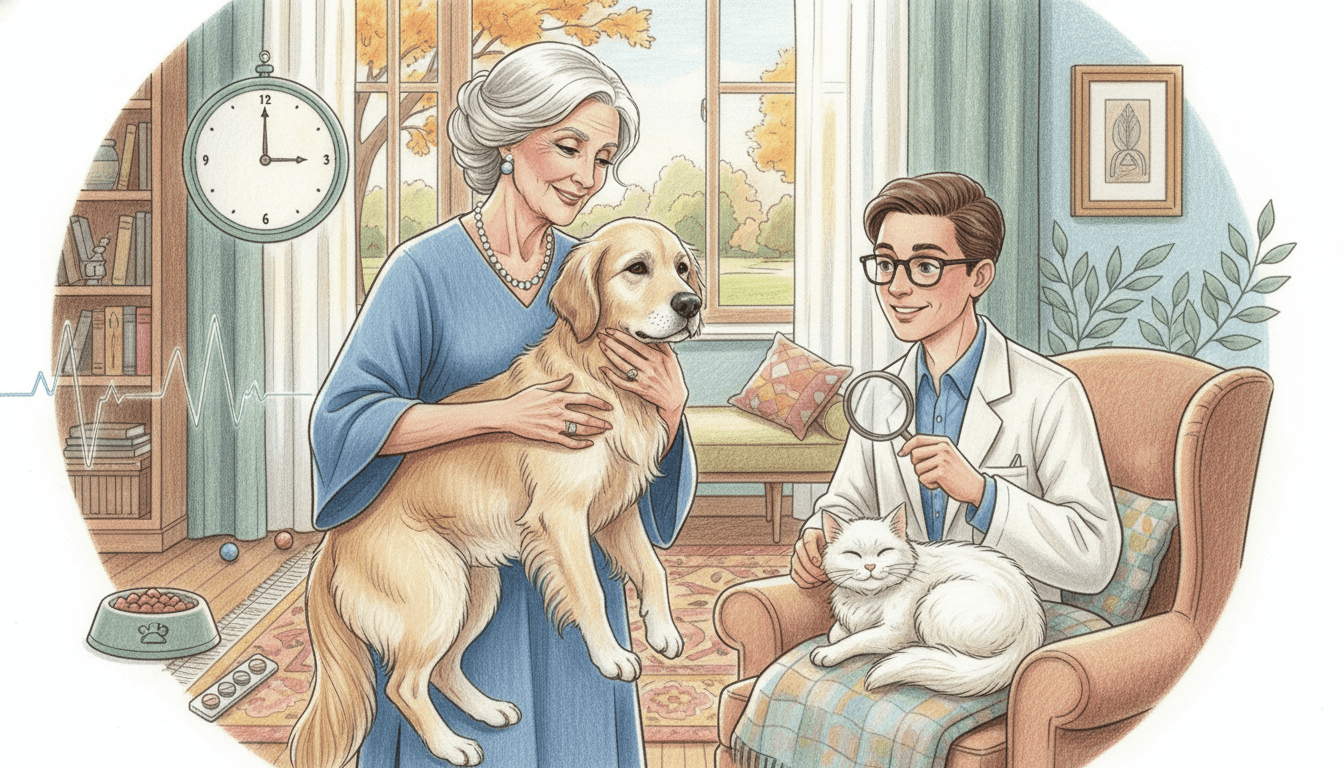
As pets age, their needs evolve, requiring dedicated geriatric care to address age-related challenges. According to Veterinary Geriatric Care Specialists, specialized care for senior pets focuses on managing conditions like arthritis, renal issues, and cognitive dysfunction, with an emphasis on maintaining quality of life. Regular health monitoring—including biannual veterinary visits—and tailored interventions are essential. This guide explores comprehensive strategies, from nutrition and mobility aids to pain management, helping pet owners provide compassionate support for their aging companions.
Sections
Understanding Geriatric Pet Needs and Common Age-Related Conditions
Geriatric pets, typically defined as dogs over 7 years and cats over 10 years, experience physiological changes that necessitate specialized care. Common conditions include osteoarthritis, affecting approximately 20% of adult dogs and 90% of cats over 12 years, leading to reduced mobility and discomfort. Dental disease is prevalent in over 80% of pets by age 3, exacerbating systemic issues if untreated. Other concerns include chronic kidney disease, cardiovascular problems, and cognitive dysfunction syndrome (similar to dementia in humans), which impacts up to 50% of dogs aged 11–16 years. Regular screenings—such as blood tests, urinalysis, and imaging—enable early detection, allowing for interventions that slow progression and enhance comfort. Veterinary Geriatric Care Specialists recommend individualized assessments to address breed-specific risks, like hip dysplasia in larger dogs or hyperthyroidism in older cats.
Essential Health Monitoring and Veterinary Interventions for Senior Pets
Proactive health monitoring is critical in geriatric pet care. Biannual veterinary exams are advised, as pets age roughly 5–7 times faster than humans, making early detection vital. Diagnostic tests often include complete blood counts, biochemistry profiles, and thyroid function assessments to identify issues like diabetes or renal insufficiency. For example, 1 in 10 dogs develops kidney disease, with early intervention potentially extending life by 1–3 years. Mobility assessments help diagnose arthritis, leading to treatments such as nonsteroidal anti-inflammatory drugs (NSAIDs) or physical therapy. Weight management is also crucial, as obesity affects 25–30% of senior pets, exacerbating joint problems. Vaccination and parasite control schedules should be adjusted based on lifestyle and health status, with veterinarians tailoring protocols to minimize stress on aging immune systems.
Implementing Comfort-Focused Care and Mobility Support Strategies
Comfort-focused care prioritizes the well-being of geriatric pets through environmental modifications and pain management. Providing orthopedic beds, ramps, and non-slip surfaces can reduce joint strain and prevent injuries. For pets with arthritis, supplements like glucosamine and omega-3 fatty acids may improve mobility, while prescription diets support renal or cardiac health. Pain management often involves multimodal approaches, including medications, acupuncture, or laser therapy, with studies showing up to 70% improvement in mobility with consistent care. Additionally, maintaining mental stimulation through puzzle toys and gentle play helps combat cognitive decline. Hydration and grooming are equally important; for instance, regular brushing prevents matting in long-haired breeds, and elevated food bowls aid digestion. By integrating these strategies, owners can significantly enhance their pet's quality of life, aligning with Veterinary Geriatric Care Specialists' emphasis on compassionate, individualized support.
Key Takeaways
Schedule biannual veterinary check-ups for early detection of age-related conditions.
Implement mobility aids and pain management to address arthritis and joint issues.
Adjust nutrition and environment to support comfort and overall well-being.
Monitor for cognitive changes and provide mental enrichment activities.
Tailor care based on species, breed, and individual health history for optimal outcomes.
Frequently Asked Questions
At what age is a pet considered geriatric?
How can I improve mobility for my arthritic senior pet?
What dietary changes are beneficial for aging pets?
How often should geriatric pets see the veterinarian?
Conclusion
Geriatric pet care demands a proactive, compassionate approach to manage age-related conditions and sustain quality of life. By adhering to regular health monitoring, implementing mobility and comfort strategies, and seeking guidance from Veterinary Geriatric Care Specialists, owners can ensure their senior pets thrive. Embracing these practices not only addresses immediate health concerns but also strengthens the bond between pets and their families, providing cherished companionship through the golden years.
Related Comparisons
Routine Physical Examinations for Pets: Essential Health Screenings and Early Detection
Routine physical examinations are fundamental to proactive pet healthcare, enabling early detection of diseases through comprehensive screenings. These exams, recommended annually or bi-annually, involve detailed assessments of multiple body systems including cardiovascular, lymphatic, and organ functions. Veterinarians utilize these check-ups to identify issues like heart murmurs, tumors, and organ abnormalities before they escalate, significantly improving treatment outcomes and longevity. Supported by organizations like the American Veterinary Medical Association, regular exams are a cornerstone of preventive care, helping pet owners maintain their companions' health and well-being with evidence-based practices.

Pet Mental Health and Enrichment: Essential Strategies for Emotional Well-Being
Mental and emotional well-being is as vital for pets as physical health, with studies showing that 20-40% of pets exhibit anxiety or stress-related behaviors. This guide covers proven strategies from veterinary behavioral experts, including behavioral enrichment, anxiety management, and environmental stimulation. Learn how to implement interactive toys, routine adjustments, and safe spaces to reduce stress and prevent issues like separation anxiety or destructive habits, improving your pet's quality of life and strengthening your bond.

Holistic Pet Health Approaches: Integrating Traditional and Alternative Veterinary Medicine
Holistic pet health approaches combine traditional veterinary medicine with alternative therapies to address the complete well-being of animals, including physical, mental, and environmental factors. This comprehensive method integrates treatments like acupuncture, herbal remedies, and nutrition with conventional diagnostics and medications. By focusing on prevention and whole-body wellness, holistic care supports long-term health, reduces reliance on pharmaceuticals, and improves quality of life. Backed by veterinary experts, this approach ensures pets receive personalized, balanced care tailored to their unique needs.

Seasonal Pet Health Considerations: Comprehensive Adaptive Care Strategies
Seasonal shifts significantly impact pet health, demanding tailored care approaches to address varying environmental conditions. This guide explores temperature-related risks, seasonal parasite management, and environmental adaptation strategies essential for maintaining pet wellness year-round. With insights from veterinary experts, pet owners can implement preventive measures against heatstroke in summer, hypothermia in winter, and parasite infestations during transitional seasons. Understanding these dynamics helps mitigate health challenges, ensuring pets remain healthy, comfortable, and protected through every seasonal change.

Comprehensive Guide to Common Pet Health Risks and Effective Prevention Strategies
This detailed guide explores prevalent pet health risks, drawing on WSAVA data covering dental disease, obesity, parasitic infections, and chronic kidney disease. It emphasizes proactive veterinary care, nutrition, exercise, and dental hygiene as core prevention pillars. Learn to identify early illness signs, manage weight effectively, and implement comprehensive wellness routines to extend your pet's lifespan and quality of life through evidence-based strategies.

Comprehensive Pet Preventive Care Guide: A Holistic Approach to Lifelong Health
This detailed guide outlines a holistic strategy for proactive pet health management, emphasizing the critical role of preventive care in extending your companion's lifespan and quality of life. Learn about essential annual wellness exams, tailored vaccination schedules, year-round parasite prevention protocols, and advanced diagnostic screenings. Discover how proper nutrition, behavioral monitoring, and early intervention can prevent common health issues. Backed by AAHA standards, this resource provides actionable insights for pet owners committed to comprehensive preventive healthcare.

Understanding and Preventing Arthritis in Dogs: A Comprehensive Guide
Arthritis affects one in five dogs, particularly large breeds, obese, and senior dogs. Early detection through regular veterinary check-ups is vital for effective management. Prevention strategies include maintaining a healthy weight, incorporating joint supplements, and engaging in low-impact exercises. This guide provides expert insights to help dog owners recognize symptoms, implement preventive measures, and improve their pet's quality of life.

Comprehensive Dog Parasite Prevention Guide: Protecting Your Pet Year-Round
This guide details essential strategies for protecting dogs from common parasites like heartworms, fleas, ticks, and intestinal worms. Emphasizing year-round prevention, it covers oral medications, topical treatments, and preventive collars, alongside the importance of veterinary consultation for personalized plans. Learn how to safeguard your dog's health with reliable, data-backed methods from trusted sources like VCA Animal Hospitals.

Comprehensive Guide to Dental Care for Pets: Preventing Disease and Enhancing Lifespan
Dental disease affects 70-80% of dogs and cats by age three, often leading to severe health complications. This guide details essential practices like brushing with pet-specific toothpaste, scheduling annual veterinary check-ups, and recognizing early signs of dental issues. Learn how proactive dental care can prevent infections, reduce inflammation, and extend your pet's lifespan with expert-backed strategies and practical tips.

Comprehensive Weight Management for Pets: Preventing Obesity and Enhancing Lifespan
Obesity affects approximately 50% of pets, making it a critical health issue with severe consequences like diabetes, heart disease, and arthritis. This guide explores evidence-based strategies for maintaining a healthy weight through personalized diet and exercise plans, emphasizing veterinary consultation. Learn to identify risks, implement effective routines, and leverage professional insights to safeguard your pet's well-being and longevity.
Pet Ear Health and Mite Prevention: Essential Guide for Pet Owners
Ear mites are a prevalent parasitic issue affecting pets, particularly in warm, humid climates, leading to discomfort and potential hearing complications. This guide details risk factors like warm environments and limited grooming, emphasizing prevention through regular ear checks, proper cleaning techniques, and veterinarian-recommended treatments. Cats are especially susceptible, making consistent ear care vital for overall health. By following expert advice, pet owners can safeguard their companions from infections and ensure long-term wellness.

Managing Canine Obesity and Weight Health: A Comprehensive Guide
Canine obesity is a critical health issue affecting over 50% of dogs in developed countries, leading to preventable conditions like diabetes, arthritis, and heart disease. This guide details evidence-based strategies from veterinary experts, including balanced nutrition with precise portion control, structured exercise regimens, and regular body condition scoring. Implementing these methods can extend your dog's lifespan by up to 2 years while enhancing mobility and overall vitality. Proactive weight management is essential for ensuring your pet's long-term well-being.

Intestinal Parasite Management in Pets: Prevention, Diagnosis, and Treatment
Intestinal parasites such as coccidia and giardia pose significant health risks to pets, especially puppies and kittens, by causing symptoms ranging from mild diarrhea to severe dehydration and malnutrition. Transmission primarily occurs via the fecal-oral route, contaminated water, or maternal sources. Effective management includes strict hygiene protocols, immediate feces cleanup, and regular veterinary screenings. Treatment protocols vary between dogs and cats, underscoring the necessity of professional veterinary oversight for accurate diagnosis and tailored care to ensure pet well-being.

Comprehensive Parasite Prevention Strategies for Optimal Pet Health
Parasite prevention is a critical component of responsible pet ownership, requiring year-round vigilance against threats like heartworms, fleas, ticks, and intestinal parasites. This guide details evidence-based strategies, including tailored medication protocols, annual screenings, and environmental management to protect pets from serious diseases such as Lyme disease and ehrlichiosis. Following American Animal Hospital Association guidelines, we emphasize integrating prevention into routine care to ensure long-term health and well-being for your companion animals.