

Holistic pet health represents a paradigm shift in veterinary care, moving beyond symptom management to embrace the whole animal. Integrative veterinary medicine, as defined by experts, merges evidence-based traditional treatments with scientifically supported alternative therapies. This approach acknowledges that pets' health is influenced by multiple interconnected factors—physical conditions, emotional states, and environmental contexts. By addressing all these elements, holistic care aims to prevent disease, enhance vitality, and extend pets' lifespans. With over 60% of pet owners expressing interest in complementary therapies, according to veterinary surveys, this method is gaining traction for its ability to provide personalized, compassionate care that aligns with natural healing processes.
Sections
Core Components of Holistic Pet Health
Holistic pet health is built on three foundational components: traditional medicine, alternative therapies, and environmental considerations. Traditional medicine includes diagnostics like blood tests, imaging, and surgeries, which are crucial for acute conditions and accurate diagnoses. For instance, approximately 85% of veterinary clinics utilize these methods for emergency care. Alternative therapies encompass modalities such as acupuncture, which can reduce pain in 70-80% of arthritic pets, according to clinical studies. Herbal remedies, like turmeric for inflammation, offer natural anti-inflammatory benefits without the side effects of long-term NSAID use. Environmental considerations involve optimizing living spaces to reduce stress, such as providing safe hiding spots for anxious cats, which can decrease stress-related behaviors by up to 50%. Together, these components create a balanced framework that supports pets' overall well-being, ensuring treatments are tailored to individual needs rather than applying a one-size-fits-all approach.
Benefits of Integrative Veterinary Medicine
Integrative veterinary medicine offers numerous advantages, including enhanced treatment efficacy and reduced side effects. By combining therapies, veterinarians can achieve synergistic effects; for example, using acupuncture alongside pain medications may lower drug dosages by 30-40%, minimizing risks like kidney damage. This approach also emphasizes prevention, with holistic practices reducing the incidence of chronic diseases such as obesity and diabetes by promoting proper nutrition and exercise. Mental well-being is prioritized through methods like behavioral therapy and pheromone diffusers, which have shown to improve anxiety in over 60% of cases. Additionally, holistic care often leads to higher owner satisfaction, as it empowers pet parents with education on diet, supplements, and lifestyle adjustments. Studies indicate that pets under integrative care have up to a 20% longer lifespan due to comprehensive health monitoring and early intervention strategies.
Implementing Holistic Approaches in Daily Pet Care
Incorporating holistic health into daily routines involves practical steps that pet owners can take with veterinary guidance. Nutrition is a cornerstone, with balanced diets incorporating whole foods and supplements like omega-3 fatty acids, which support joint health and cognitive function in aging pets. Exercise regimens should be tailored to breed and age, with activities like agility training boosting mental stimulation. Alternative therapies, such as massage or chiropractic care, can be integrated for mobility issues, improving flexibility in up to 75% of cases. Environmental adjustments include using non-toxic cleaning products and ensuring adequate socialization to foster emotional stability. Regular check-ups with a holistic veterinarian help monitor progress, and tools like health journals track symptoms and responses to treatments. By adopting these practices, owners contribute to a proactive health model that aligns with the holistic principle of treating the whole pet.
Challenges and Considerations in Holistic Pet Health
While holistic approaches offer significant benefits, they also present challenges that require careful management. One key issue is the need for evidence-based validation; not all alternative therapies have robust scientific backing, so consulting certified practitioners is essential to avoid ineffective or harmful treatments. Cost can be a barrier, as integrative care may involve additional expenses for therapies like laser treatment or specialized diets, though many pet insurance plans now cover up to 50% of these costs. Time commitment is another factor, as holistic methods often demand more owner involvement in daily care routines. Additionally, integrating traditional and alternative treatments requires coordination between veterinarians to prevent interactions, such as herbs affecting medication efficacy. Education is crucial—pet owners should seek resources from reputable sources like the American Holistic Veterinary Medical Association to make informed decisions that prioritize their pets' safety and well-being.
Key Takeaways
Holistic pet health integrates traditional and alternative therapies for comprehensive care.
This approach addresses physical, mental, and environmental factors to enhance well-being.
Benefits include reduced medication side effects and improved prevention of chronic diseases.
Implementation requires veterinary guidance and owner commitment to daily practices.
Challenges involve evidence validation and cost, but resources are available for support.
Frequently Asked Questions
What is the difference between holistic and traditional veterinary medicine?
Are alternative therapies safe for all pets?
How can I find a qualified holistic veterinarian?
What role does nutrition play in holistic pet health?
Conclusion
Holistic pet health approaches represent a forward-thinking evolution in veterinary care, blending the reliability of traditional medicine with the nurturing aspects of alternative therapies. By considering pets as whole beings—addressing their physical ailments, emotional states, and environmental influences—this integrative model fosters resilience, longevity, and enhanced quality of life. As supported by veterinary experts, embracing holistic principles empowers pet owners to take an active role in their companions' well-being, leading to more compassionate and effective healthcare outcomes. For those seeking to implement these strategies, starting with a consultation from a certified holistic veterinarian can pave the way for a tailored, balanced health plan that honors the unique nature of every pet.
Related Comparisons

Seasonal Pet Health Considerations: Comprehensive Adaptive Care Strategies
Seasonal shifts significantly impact pet health, demanding tailored care approaches to address varying environmental conditions. This guide explores temperature-related risks, seasonal parasite management, and environmental adaptation strategies essential for maintaining pet wellness year-round. With insights from veterinary experts, pet owners can implement preventive measures against heatstroke in summer, hypothermia in winter, and parasite infestations during transitional seasons. Understanding these dynamics helps mitigate health challenges, ensuring pets remain healthy, comfortable, and protected through every seasonal change.

Comprehensive Guide to Common Pet Health Risks and Effective Prevention Strategies
This detailed guide explores prevalent pet health risks, drawing on WSAVA data covering dental disease, obesity, parasitic infections, and chronic kidney disease. It emphasizes proactive veterinary care, nutrition, exercise, and dental hygiene as core prevention pillars. Learn to identify early illness signs, manage weight effectively, and implement comprehensive wellness routines to extend your pet's lifespan and quality of life through evidence-based strategies.

Comprehensive Pet Preventive Care Guide: A Holistic Approach to Lifelong Health
This detailed guide outlines a holistic strategy for proactive pet health management, emphasizing the critical role of preventive care in extending your companion's lifespan and quality of life. Learn about essential annual wellness exams, tailored vaccination schedules, year-round parasite prevention protocols, and advanced diagnostic screenings. Discover how proper nutrition, behavioral monitoring, and early intervention can prevent common health issues. Backed by AAHA standards, this resource provides actionable insights for pet owners committed to comprehensive preventive healthcare.

Understanding and Preventing Arthritis in Dogs: A Comprehensive Guide
Arthritis affects one in five dogs, particularly large breeds, obese, and senior dogs. Early detection through regular veterinary check-ups is vital for effective management. Prevention strategies include maintaining a healthy weight, incorporating joint supplements, and engaging in low-impact exercises. This guide provides expert insights to help dog owners recognize symptoms, implement preventive measures, and improve their pet's quality of life.

Comprehensive Dog Parasite Prevention Guide: Protecting Your Pet Year-Round
This guide details essential strategies for protecting dogs from common parasites like heartworms, fleas, ticks, and intestinal worms. Emphasizing year-round prevention, it covers oral medications, topical treatments, and preventive collars, alongside the importance of veterinary consultation for personalized plans. Learn how to safeguard your dog's health with reliable, data-backed methods from trusted sources like VCA Animal Hospitals.

Comprehensive Guide to Dental Care for Pets: Preventing Disease and Enhancing Lifespan
Dental disease affects 70-80% of dogs and cats by age three, often leading to severe health complications. This guide details essential practices like brushing with pet-specific toothpaste, scheduling annual veterinary check-ups, and recognizing early signs of dental issues. Learn how proactive dental care can prevent infections, reduce inflammation, and extend your pet's lifespan with expert-backed strategies and practical tips.

Comprehensive Weight Management for Pets: Preventing Obesity and Enhancing Lifespan
Obesity affects approximately 50% of pets, making it a critical health issue with severe consequences like diabetes, heart disease, and arthritis. This guide explores evidence-based strategies for maintaining a healthy weight through personalized diet and exercise plans, emphasizing veterinary consultation. Learn to identify risks, implement effective routines, and leverage professional insights to safeguard your pet's well-being and longevity.
Pet Ear Health and Mite Prevention: Essential Guide for Pet Owners
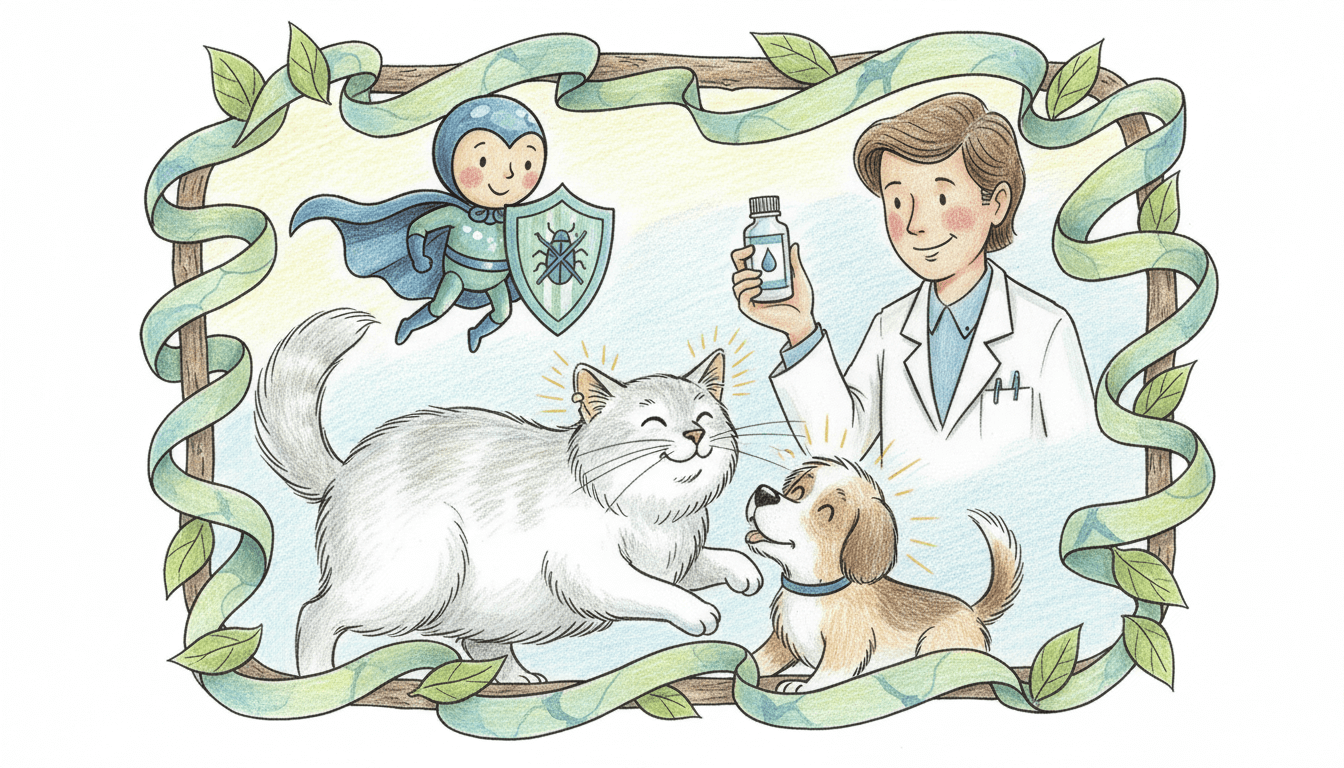
Ear mites are a prevalent parasitic issue affecting pets, particularly in warm, humid climates, leading to discomfort and potential hearing complications. This guide details risk factors like warm environments and limited grooming, emphasizing prevention through regular ear checks, proper cleaning techniques, and veterinarian-recommended treatments. Cats are especially susceptible, making consistent ear care vital for overall health. By following expert advice, pet owners can safeguard their companions from infections and ensure long-term wellness.

Managing Canine Obesity and Weight Health: A Comprehensive Guide
Canine obesity is a critical health issue affecting over 50% of dogs in developed countries, leading to preventable conditions like diabetes, arthritis, and heart disease. This guide details evidence-based strategies from veterinary experts, including balanced nutrition with precise portion control, structured exercise regimens, and regular body condition scoring. Implementing these methods can extend your dog's lifespan by up to 2 years while enhancing mobility and overall vitality. Proactive weight management is essential for ensuring your pet's long-term well-being.

Intestinal Parasite Management in Pets: Prevention, Diagnosis, and Treatment
Intestinal parasites such as coccidia and giardia pose significant health risks to pets, especially puppies and kittens, by causing symptoms ranging from mild diarrhea to severe dehydration and malnutrition. Transmission primarily occurs via the fecal-oral route, contaminated water, or maternal sources. Effective management includes strict hygiene protocols, immediate feces cleanup, and regular veterinary screenings. Treatment protocols vary between dogs and cats, underscoring the necessity of professional veterinary oversight for accurate diagnosis and tailored care to ensure pet well-being.

Comprehensive Parasite Prevention Strategies for Optimal Pet Health
Parasite prevention is a critical component of responsible pet ownership, requiring year-round vigilance against threats like heartworms, fleas, ticks, and intestinal parasites. This guide details evidence-based strategies, including tailored medication protocols, annual screenings, and environmental management to protect pets from serious diseases such as Lyme disease and ehrlichiosis. Following American Animal Hospital Association guidelines, we emphasize integrating prevention into routine care to ensure long-term health and well-being for your companion animals.
Understanding Parvovirus in Dogs: Risks, Prevention, and Advanced Treatment Options
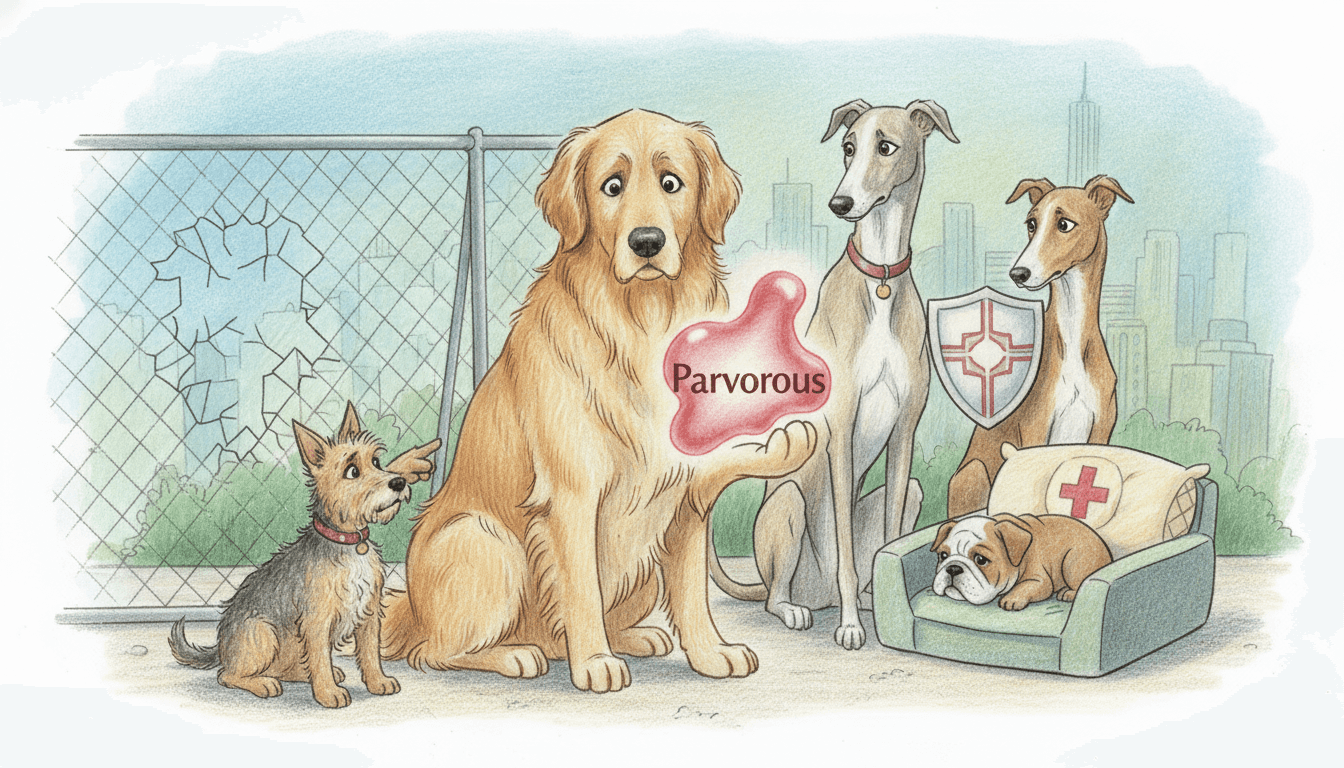
Canine parvovirus is a highly contagious and potentially fatal viral disease primarily affecting puppies between five to ten weeks old and dogs under one year, with unvaccinated individuals being at greatest risk. This comprehensive guide explores transmission routes, clinical signs like severe vomiting and bloody diarrhea, and the critical importance of vaccination. Recent medical advancements, including monoclonal antibody therapies, are highlighted as innovative treatment options. Prevention strategies such as limiting exposure and maintaining proper hygiene are emphasized to protect your pet's health.
Detecting and Preventing Kidney Disease in Cats: A Professional Guide
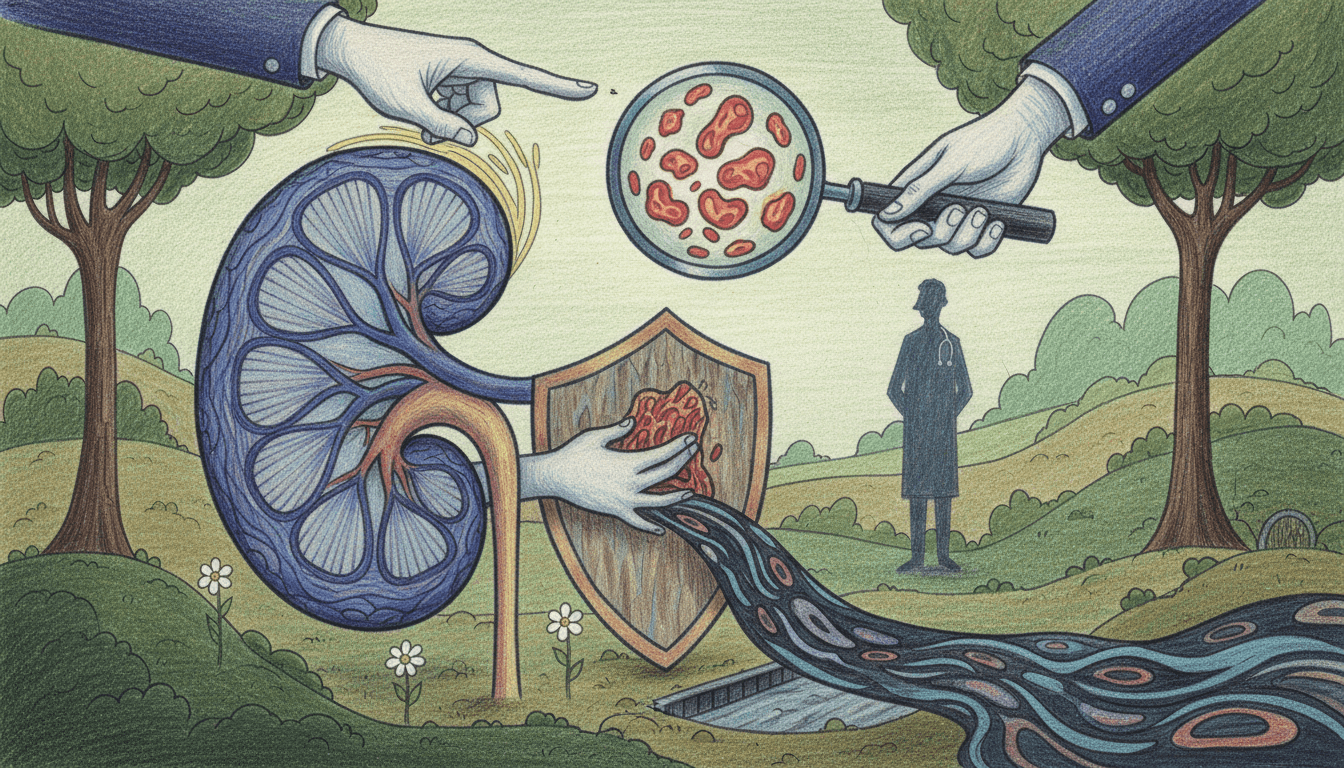
Chronic kidney disease is a leading cause of morbidity in cats, affecting up to 30% of felines over age 15. Early detection through regular blood work and urinalysis is crucial since clinical signs often appear only after significant kidney damage. Prevention strategies include maintaining optimal hydration, feeding renal-supportive diets, and managing risk factors like hypertension. With proper veterinary care and owner vigilance, progression can be significantly slowed, maintaining quality of life for years.

Understanding Pet Allergies: Causes, Symptoms, and Management Strategies
Pet allergies are immune responses to substances like food ingredients, environmental triggers, or parasites such as fleas. Common symptoms include persistent itching, skin infections, and gastrointestinal distress, affecting up to 10% of dogs and cats. Effective management requires veterinary diagnosis through methods like elimination diets or allergy testing, followed by tailored interventions including hypoallergenic nutrition, environmental controls, and medical treatments to alleviate discomfort and enhance your pet's quality of life.