
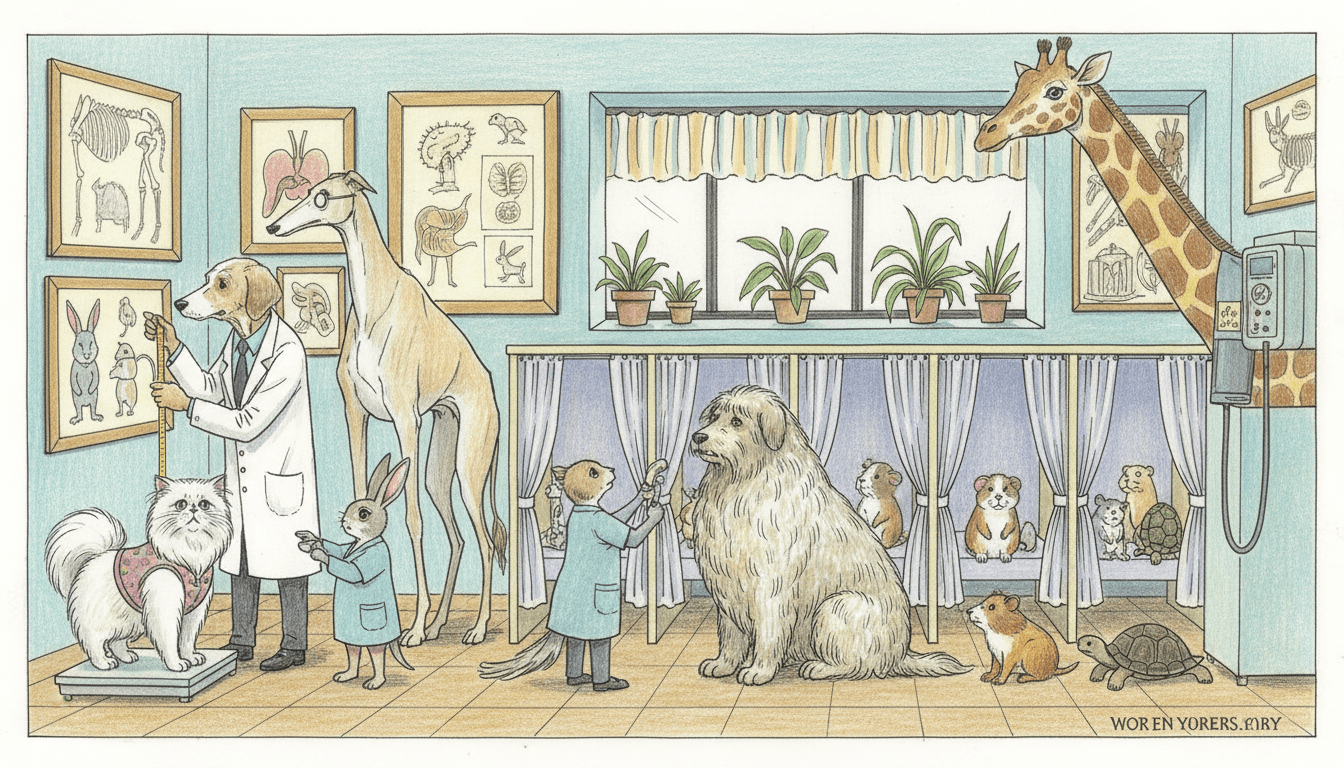
Routine physical examinations are a critical component of preventive veterinary medicine, designed to safeguard your pet's health through systematic evaluations. According to the American Veterinary Medical Association, these comprehensive health screenings are essential for early disease detection and prevention, addressing potential issues before they become severe. Veterinarians perform thorough assessments that include checking for heart murmurs, screening for tumors and cancer, evaluating organ function, and examining lymph nodes. With statistics showing that early detection can improve treatment success rates by up to 80% for conditions like cancer and heart disease, regular exams—conducted annually or bi-annually—form the foundation of long-term wellness. This guide delves into the importance, components, and benefits of these exams, empowering pet owners with knowledge to prioritize their companion's health.
Sections
The Importance of Regular Physical Examinations
Regular physical examinations are indispensable in veterinary care, serving as proactive measures to identify health concerns at their earliest stages. Research indicates that pets undergoing annual exams have a 40% higher chance of early disease diagnosis compared to those with irregular check-ups. These screenings encompass multiple body systems, allowing veterinarians to detect subtle changes that may indicate underlying issues. For instance, heart murmur detection can reveal valvular diseases early, while organ function assessments—often involving blood tests—can identify renal or hepatic insufficiencies before clinical signs appear. The American Veterinary Medical Association emphasizes that comprehensive evaluations not only extend lifespan but also enhance quality of life by addressing problems like arthritis or dental disease promptly. By adhering to a consistent exam schedule, pet owners contribute to a preventive care model that reduces emergency visits and healthcare costs over time.
Key Components of a Comprehensive Physical Exam
A thorough physical examination involves multiple standardized components to ensure no aspect of your pet's health is overlooked. Key elements include heart murmur detection, where veterinarians use stethoscopes to identify abnormal heart sounds indicative of conditions like cardiomyopathy or congenital defects; studies show that 10-15% of dogs may develop murmurs in their lifetime. Tumor and cancer screening involves palpating the skin and soft tissues for masses, with early detection increasing survival rates by over 50% for common cancers like mast cell tumors. Organ function assessment typically includes blood panels to evaluate liver, kidney, and pancreatic health, detecting issues such as diabetes or kidney disease in their initial phases. Lymph node evaluation checks for enlargement or asymmetry, which can signal infections or lymphoma. Additionally, veterinarians assess weight, body condition, eyes, ears, and musculoskeletal system, creating a holistic health profile that guides personalized care plans.
Frequency and Timing of Examinations
The frequency of physical examinations varies based on factors like age, breed, and pre-existing conditions, but annual or bi-annual schedules are widely recommended. Puppies and kittens require more frequent visits—every 3-4 weeks until 16 weeks old—for vaccinations and developmental checks. Adult pets benefit from annual exams, as this interval aligns with the progression of many chronic diseases; for example, annual screenings can detect early-stage heart disease in 5-10% of asymptomatic dogs. Senior pets (ages 7+ for dogs and 10+ for cats) should undergo bi-annual exams due to heightened risks of age-related conditions like arthritis, cancer, or organ dysfunction. Data from veterinary associations indicate that bi-annual exams for seniors improve early diagnosis rates by 30%, particularly for issues like hyperthyroidism or renal failure. Seasonal factors, such as increased flea and tick activity, may also warrant additional checks to prevent parasitic diseases.
Benefits of Early Detection and Preventive Care
Early detection through routine exams offers profound benefits, including improved treatment outcomes, reduced medical expenses, and extended lifespans. For instance, identifying heart murmurs early allows for interventions like medication or dietary changes that can slow disease progression by up to 70%. Cancer screenings enable timely treatments such as surgery or chemotherapy, with early-stage diagnoses boasting survival rates exceeding 80% for tumors like lipomas or mammary cancers. Organ evaluations can uncover subclinical issues; blood tests revealing elevated liver enzymes may lead to lifestyle adjustments that prevent full-blown hepatitis. Preventive care also includes vaccinations, parasite control, and dental cleanings, which collectively reduce the incidence of preventable diseases by 60%. By investing in regular exams, pet owners not only enhance their companion's well-being but also foster a stronger veterinarian-client relationship, ensuring continuous monitoring and tailored health strategies.
Integrating Examinations with Overall Pet Wellness
Physical examinations should be integrated into a broader wellness plan that encompasses nutrition, exercise, and mental health. For example, weight management discussions during exams can address obesity, which affects 25-30% of pets and predisposes them to diabetes or joint problems. Veterinarians may recommend breed-specific diets or exercise regimens based on exam findings, such as joint supplements for large breeds prone to dysplasia. Behavioral assessments can identify anxiety or cognitive decline, leading to environmental enrichments or medications. Additionally, routine exams provide opportunities to update preventive measures like flea/tick preventatives and dental care, which are crucial for overall health. Collaborating with your veterinarian ensures that exam results inform long-term wellness goals, creating a proactive approach that aligns with guidelines from organizations like the American Veterinary Medical Association. This holistic integration maximizes the value of each visit, promoting a lifetime of vitality for your pet.
Key Takeaways
Annual or bi-annual physical exams are essential for early disease detection, improving treatment success rates by up to 80% for conditions like cancer and heart disease.
Comprehensive exams include heart murmur checks, tumor screenings, organ assessments, and lymph node evaluations to identify issues before symptoms arise.
Senior pets benefit from bi-annual visits due to higher risks of age-related ailments, with early diagnosis rates improving by 30%.
Integrating exam findings with nutrition, exercise, and preventive care enhances overall wellness and reduces healthcare costs over time.
Regular screenings supported by the AVMA help build a proactive health strategy, extending your pet's lifespan and quality of life.
Frequently Asked Questions
How often should my pet have a physical examination?
What specific conditions can routine exams detect early?
Why are heart murmur checks important in physical exams?
How do veterinarians screen for tumors during an exam?
Can physical exams help with preventive care beyond disease detection?
Conclusion
Routine physical examinations are a cornerstone of responsible pet ownership, offering a proactive approach to health that emphasizes early detection and prevention. By adhering to annual or bi-annual schedules, pet owners enable veterinarians to conduct comprehensive assessments—including heart, cancer, organ, and lymphatic evaluations—that identify potential issues before they escalate. Supported by data from the American Veterinary Medical Association, these exams not only improve treatment outcomes and reduce healthcare costs but also integrate seamlessly into overall wellness plans. Embracing regular check-ups ensures that your pet enjoys a longer, healthier life, reinforced by trusted veterinary insights and preventive strategies. Prioritize these essential screenings to provide the best care for your beloved companion.
Related Comparisons

Pet Mental Health and Enrichment: Essential Strategies for Emotional Well-Being
Mental and emotional well-being is as vital for pets as physical health, with studies showing that 20-40% of pets exhibit anxiety or stress-related behaviors. This guide covers proven strategies from veterinary behavioral experts, including behavioral enrichment, anxiety management, and environmental stimulation. Learn how to implement interactive toys, routine adjustments, and safe spaces to reduce stress and prevent issues like separation anxiety or destructive habits, improving your pet's quality of life and strengthening your bond.

Holistic Pet Health Approaches: Integrating Traditional and Alternative Veterinary Medicine
Holistic pet health approaches combine traditional veterinary medicine with alternative therapies to address the complete well-being of animals, including physical, mental, and environmental factors. This comprehensive method integrates treatments like acupuncture, herbal remedies, and nutrition with conventional diagnostics and medications. By focusing on prevention and whole-body wellness, holistic care supports long-term health, reduces reliance on pharmaceuticals, and improves quality of life. Backed by veterinary experts, this approach ensures pets receive personalized, balanced care tailored to their unique needs.

Seasonal Pet Health Considerations: Comprehensive Adaptive Care Strategies
Seasonal shifts significantly impact pet health, demanding tailored care approaches to address varying environmental conditions. This guide explores temperature-related risks, seasonal parasite management, and environmental adaptation strategies essential for maintaining pet wellness year-round. With insights from veterinary experts, pet owners can implement preventive measures against heatstroke in summer, hypothermia in winter, and parasite infestations during transitional seasons. Understanding these dynamics helps mitigate health challenges, ensuring pets remain healthy, comfortable, and protected through every seasonal change.

Comprehensive Guide to Common Pet Health Risks and Effective Prevention Strategies
This detailed guide explores prevalent pet health risks, drawing on WSAVA data covering dental disease, obesity, parasitic infections, and chronic kidney disease. It emphasizes proactive veterinary care, nutrition, exercise, and dental hygiene as core prevention pillars. Learn to identify early illness signs, manage weight effectively, and implement comprehensive wellness routines to extend your pet's lifespan and quality of life through evidence-based strategies.

Comprehensive Pet Preventive Care Guide: A Holistic Approach to Lifelong Health
This detailed guide outlines a holistic strategy for proactive pet health management, emphasizing the critical role of preventive care in extending your companion's lifespan and quality of life. Learn about essential annual wellness exams, tailored vaccination schedules, year-round parasite prevention protocols, and advanced diagnostic screenings. Discover how proper nutrition, behavioral monitoring, and early intervention can prevent common health issues. Backed by AAHA standards, this resource provides actionable insights for pet owners committed to comprehensive preventive healthcare.

Understanding and Preventing Arthritis in Dogs: A Comprehensive Guide
Arthritis affects one in five dogs, particularly large breeds, obese, and senior dogs. Early detection through regular veterinary check-ups is vital for effective management. Prevention strategies include maintaining a healthy weight, incorporating joint supplements, and engaging in low-impact exercises. This guide provides expert insights to help dog owners recognize symptoms, implement preventive measures, and improve their pet's quality of life.

Comprehensive Dog Parasite Prevention Guide: Protecting Your Pet Year-Round
This guide details essential strategies for protecting dogs from common parasites like heartworms, fleas, ticks, and intestinal worms. Emphasizing year-round prevention, it covers oral medications, topical treatments, and preventive collars, alongside the importance of veterinary consultation for personalized plans. Learn how to safeguard your dog's health with reliable, data-backed methods from trusted sources like VCA Animal Hospitals.

Comprehensive Guide to Dental Care for Pets: Preventing Disease and Enhancing Lifespan
Dental disease affects 70-80% of dogs and cats by age three, often leading to severe health complications. This guide details essential practices like brushing with pet-specific toothpaste, scheduling annual veterinary check-ups, and recognizing early signs of dental issues. Learn how proactive dental care can prevent infections, reduce inflammation, and extend your pet's lifespan with expert-backed strategies and practical tips.

Comprehensive Weight Management for Pets: Preventing Obesity and Enhancing Lifespan
Obesity affects approximately 50% of pets, making it a critical health issue with severe consequences like diabetes, heart disease, and arthritis. This guide explores evidence-based strategies for maintaining a healthy weight through personalized diet and exercise plans, emphasizing veterinary consultation. Learn to identify risks, implement effective routines, and leverage professional insights to safeguard your pet's well-being and longevity.
Pet Ear Health and Mite Prevention: Essential Guide for Pet Owners
Ear mites are a prevalent parasitic issue affecting pets, particularly in warm, humid climates, leading to discomfort and potential hearing complications. This guide details risk factors like warm environments and limited grooming, emphasizing prevention through regular ear checks, proper cleaning techniques, and veterinarian-recommended treatments. Cats are especially susceptible, making consistent ear care vital for overall health. By following expert advice, pet owners can safeguard their companions from infections and ensure long-term wellness.

Managing Canine Obesity and Weight Health: A Comprehensive Guide
Canine obesity is a critical health issue affecting over 50% of dogs in developed countries, leading to preventable conditions like diabetes, arthritis, and heart disease. This guide details evidence-based strategies from veterinary experts, including balanced nutrition with precise portion control, structured exercise regimens, and regular body condition scoring. Implementing these methods can extend your dog's lifespan by up to 2 years while enhancing mobility and overall vitality. Proactive weight management is essential for ensuring your pet's long-term well-being.

Intestinal Parasite Management in Pets: Prevention, Diagnosis, and Treatment
Intestinal parasites such as coccidia and giardia pose significant health risks to pets, especially puppies and kittens, by causing symptoms ranging from mild diarrhea to severe dehydration and malnutrition. Transmission primarily occurs via the fecal-oral route, contaminated water, or maternal sources. Effective management includes strict hygiene protocols, immediate feces cleanup, and regular veterinary screenings. Treatment protocols vary between dogs and cats, underscoring the necessity of professional veterinary oversight for accurate diagnosis and tailored care to ensure pet well-being.

Comprehensive Parasite Prevention Strategies for Optimal Pet Health
Parasite prevention is a critical component of responsible pet ownership, requiring year-round vigilance against threats like heartworms, fleas, ticks, and intestinal parasites. This guide details evidence-based strategies, including tailored medication protocols, annual screenings, and environmental management to protect pets from serious diseases such as Lyme disease and ehrlichiosis. Following American Animal Hospital Association guidelines, we emphasize integrating prevention into routine care to ensure long-term health and well-being for your companion animals.
Understanding Parvovirus in Dogs: Risks, Prevention, and Advanced Treatment Options
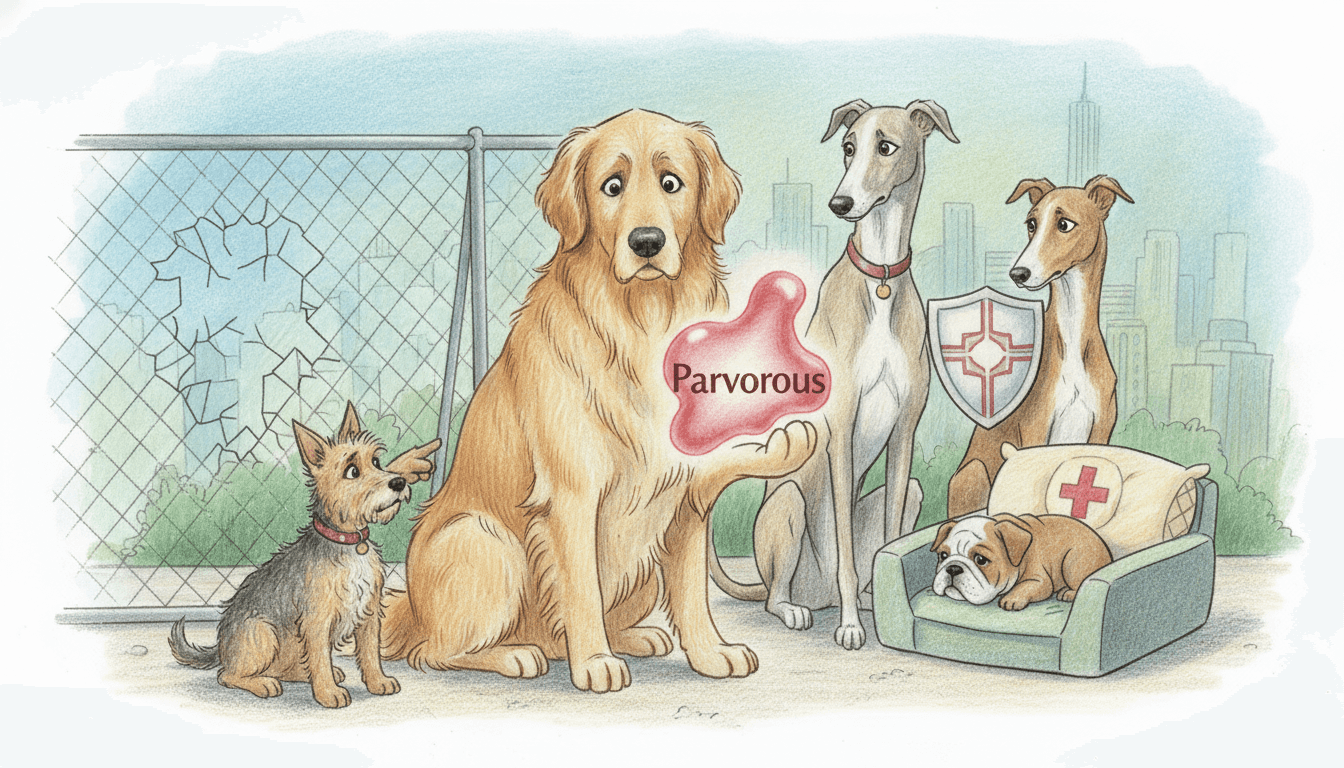
Canine parvovirus is a highly contagious and potentially fatal viral disease primarily affecting puppies between five to ten weeks old and dogs under one year, with unvaccinated individuals being at greatest risk. This comprehensive guide explores transmission routes, clinical signs like severe vomiting and bloody diarrhea, and the critical importance of vaccination. Recent medical advancements, including monoclonal antibody therapies, are highlighted as innovative treatment options. Prevention strategies such as limiting exposure and maintaining proper hygiene are emphasized to protect your pet's health.