
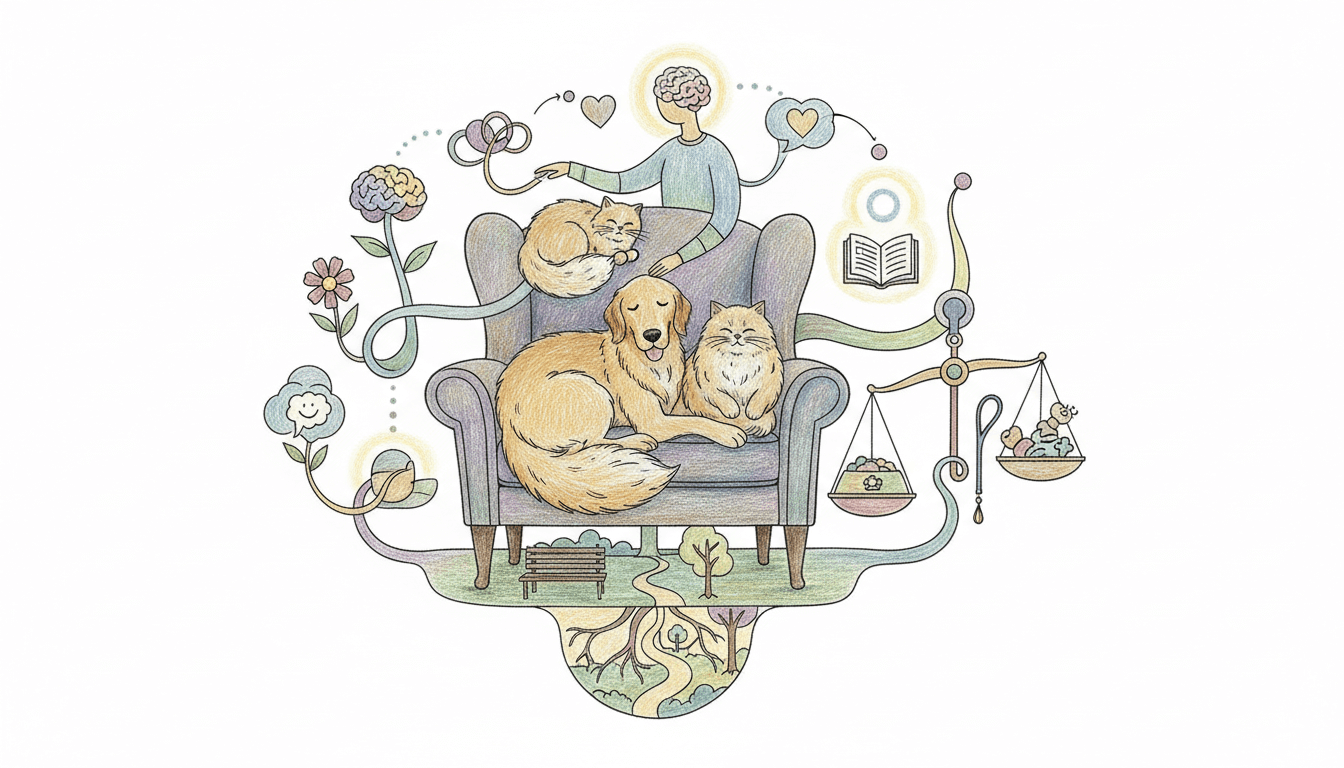
Pets, much like humans, require robust mental and emotional care to thrive. According to veterinary behavioral health experts, neglecting mental stimulation can lead to anxiety, depression, and behavioral issues in up to 40% of household pets. This article delves into scientifically-backed approaches, focusing on behavioral enrichment, anxiety management, and environmental stimulation. By understanding and applying these strategies, pet owners can foster a supportive atmosphere that promotes psychological resilience, reduces stress indicators, and enhances overall happiness for their furry companions.
Sections
Understanding Pet Mental Health: Why It Matters
Pet mental health encompasses emotional stability, cognitive function, and behavioral patterns. Research indicates that pets lacking mental engagement are 30% more likely to develop anxiety disorders, manifesting as excessive barking, chewing, or withdrawal. Key factors influencing mental health include genetics, early life experiences, and daily environment. Veterinary behavioral health experts emphasize that proactive mental care can prevent up to 60% of common behavioral problems. Recognizing signs of distress—such as changes in appetite, sleep disturbances, or avoidance behaviors—is the first step toward intervention. Regular mental health assessments, ideally during annual vet visits, help track well-being and tailor enrichment plans to individual needs.
Behavioral Enrichment: Engaging Your Pet's Mind
Behavioral enrichment involves activities that stimulate natural instincts and cognitive abilities. For dogs, this can include puzzle feeders that challenge problem-solving skills, reducing boredom by 50% according to studies. Cats benefit from hunting-simulating toys, like feather wands or treat-dispensing balls, which engage their predatory instincts and improve alertness. Small mammals, such as rabbits or guinea pigs, thrive with tunneling systems and foraging opportunities, mimicking wild behaviors. Incorporate training sessions using positive reinforcement—spending 10-15 minutes daily on commands or tricks can boost confidence and mental agility. Rotate toys weekly to maintain novelty, and consider group play for social species to enhance interaction and reduce isolation-related stress.
Anxiety Management: Strategies for Calm and Comfort
Anxiety affects approximately 25% of dogs and 15% of cats, often triggered by separation, loud noises, or changes in routine. Effective management starts with identifying stressors through behavioral logs. Techniques like desensitization—gradually exposing pets to mild stress triggers in controlled settings—can reduce anxiety responses by 40-60% over 4-6 weeks. Calming aids, such as pheromone diffusers or pressure wraps, provide immediate relief in 70% of cases. For severe anxiety, veterinarians may prescribe medications like fluoxetine or clomipramine, complemented by behavior modification plans. Establishing predictable routines, including consistent feeding and exercise times, adds stability, while safe spaces—like cozy crates or quiet rooms—offer retreats during stressful events, lowering cortisol levels by up to 30%.
Environmental Stimulation: Crafting a Supportive Habitat
A stimulating environment is foundational to pet mental health, integrating sensory, physical, and social elements. For indoor pets, ensure access to windows for visual stimulation, and use audiobooks or pet-specific music to reduce stress by 25%. Outdoor enclosures, like catios or secured yards, allow safe exploration, increasing activity levels by 50%. Incorporate varied textures—such as grass, sand, or soft bedding—to engage touch senses. Climbing structures for cats or agility courses for dogs promote physical exertion and mental focus. Social enrichment, through supervised playdates or daycare programs, addresses pack instincts and minimizes loneliness. Regularly assess the environment for hazards and update enrichment tools to align with your pet's age and health, ensuring a dynamic space that supports lifelong well-being.
Key Takeaways
Mental stimulation prevents 60% of common behavioral issues in pets.
Anxiety management combines desensitization, routines, and professional interventions.
Environmental enrichment boosts activity and reduces stress by up to 50%.
Regular vet assessments help tailor strategies to individual pet needs.
Frequently Asked Questions
How can I tell if my pet is stressed or anxious?
What are simple enrichment activities I can start today?
When should I seek professional help for my pet's anxiety?
Can environmental changes really improve my pet's mental health?
Conclusion
Prioritizing pet mental health through behavioral enrichment, anxiety management, and environmental stimulation is essential for preventing disorders and enhancing quality of life. By integrating these evidence-based strategies—supported by veterinary behavioral health experts—pet owners can create a nurturing atmosphere that addresses emotional needs. Consistency and observation are key; adjust approaches based on your pet's responses and consult professionals when needed. Ultimately, a mentally stimulated and emotionally secure pet is happier, healthier, and more bonded to their family.
Related Comparisons

Holistic Pet Health Approaches: Integrating Traditional and Alternative Veterinary Medicine
Holistic pet health approaches combine traditional veterinary medicine with alternative therapies to address the complete well-being of animals, including physical, mental, and environmental factors. This comprehensive method integrates treatments like acupuncture, herbal remedies, and nutrition with conventional diagnostics and medications. By focusing on prevention and whole-body wellness, holistic care supports long-term health, reduces reliance on pharmaceuticals, and improves quality of life. Backed by veterinary experts, this approach ensures pets receive personalized, balanced care tailored to their unique needs.

Seasonal Pet Health Considerations: Comprehensive Adaptive Care Strategies
Seasonal shifts significantly impact pet health, demanding tailored care approaches to address varying environmental conditions. This guide explores temperature-related risks, seasonal parasite management, and environmental adaptation strategies essential for maintaining pet wellness year-round. With insights from veterinary experts, pet owners can implement preventive measures against heatstroke in summer, hypothermia in winter, and parasite infestations during transitional seasons. Understanding these dynamics helps mitigate health challenges, ensuring pets remain healthy, comfortable, and protected through every seasonal change.

Comprehensive Guide to Common Pet Health Risks and Effective Prevention Strategies
This detailed guide explores prevalent pet health risks, drawing on WSAVA data covering dental disease, obesity, parasitic infections, and chronic kidney disease. It emphasizes proactive veterinary care, nutrition, exercise, and dental hygiene as core prevention pillars. Learn to identify early illness signs, manage weight effectively, and implement comprehensive wellness routines to extend your pet's lifespan and quality of life through evidence-based strategies.

Comprehensive Pet Preventive Care Guide: A Holistic Approach to Lifelong Health
This detailed guide outlines a holistic strategy for proactive pet health management, emphasizing the critical role of preventive care in extending your companion's lifespan and quality of life. Learn about essential annual wellness exams, tailored vaccination schedules, year-round parasite prevention protocols, and advanced diagnostic screenings. Discover how proper nutrition, behavioral monitoring, and early intervention can prevent common health issues. Backed by AAHA standards, this resource provides actionable insights for pet owners committed to comprehensive preventive healthcare.

Understanding and Preventing Arthritis in Dogs: A Comprehensive Guide
Arthritis affects one in five dogs, particularly large breeds, obese, and senior dogs. Early detection through regular veterinary check-ups is vital for effective management. Prevention strategies include maintaining a healthy weight, incorporating joint supplements, and engaging in low-impact exercises. This guide provides expert insights to help dog owners recognize symptoms, implement preventive measures, and improve their pet's quality of life.
Comprehensive Dog Parasite Prevention Guide: Protecting Your Pet Year-Round
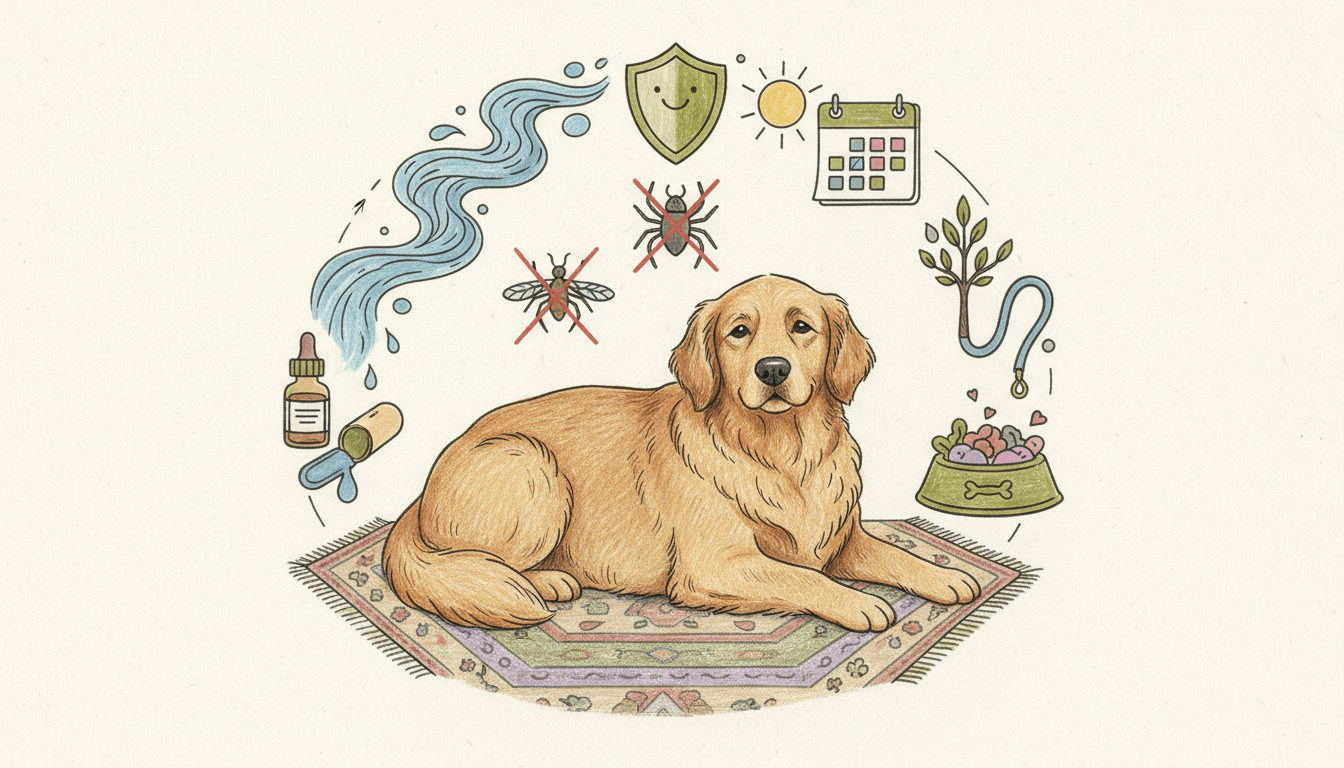
This guide details essential strategies for protecting dogs from common parasites like heartworms, fleas, ticks, and intestinal worms. Emphasizing year-round prevention, it covers oral medications, topical treatments, and preventive collars, alongside the importance of veterinary consultation for personalized plans. Learn how to safeguard your dog's health with reliable, data-backed methods from trusted sources like VCA Animal Hospitals.

Comprehensive Guide to Dental Care for Pets: Preventing Disease and Enhancing Lifespan
Dental disease affects 70-80% of dogs and cats by age three, often leading to severe health complications. This guide details essential practices like brushing with pet-specific toothpaste, scheduling annual veterinary check-ups, and recognizing early signs of dental issues. Learn how proactive dental care can prevent infections, reduce inflammation, and extend your pet's lifespan with expert-backed strategies and practical tips.

Comprehensive Weight Management for Pets: Preventing Obesity and Enhancing Lifespan
Obesity affects approximately 50% of pets, making it a critical health issue with severe consequences like diabetes, heart disease, and arthritis. This guide explores evidence-based strategies for maintaining a healthy weight through personalized diet and exercise plans, emphasizing veterinary consultation. Learn to identify risks, implement effective routines, and leverage professional insights to safeguard your pet's well-being and longevity.
Pet Ear Health and Mite Prevention: Essential Guide for Pet Owners
Ear mites are a prevalent parasitic issue affecting pets, particularly in warm, humid climates, leading to discomfort and potential hearing complications. This guide details risk factors like warm environments and limited grooming, emphasizing prevention through regular ear checks, proper cleaning techniques, and veterinarian-recommended treatments. Cats are especially susceptible, making consistent ear care vital for overall health. By following expert advice, pet owners can safeguard their companions from infections and ensure long-term wellness.

Managing Canine Obesity and Weight Health: A Comprehensive Guide
Canine obesity is a critical health issue affecting over 50% of dogs in developed countries, leading to preventable conditions like diabetes, arthritis, and heart disease. This guide details evidence-based strategies from veterinary experts, including balanced nutrition with precise portion control, structured exercise regimens, and regular body condition scoring. Implementing these methods can extend your dog's lifespan by up to 2 years while enhancing mobility and overall vitality. Proactive weight management is essential for ensuring your pet's long-term well-being.

Intestinal Parasite Management in Pets: Prevention, Diagnosis, and Treatment
Intestinal parasites such as coccidia and giardia pose significant health risks to pets, especially puppies and kittens, by causing symptoms ranging from mild diarrhea to severe dehydration and malnutrition. Transmission primarily occurs via the fecal-oral route, contaminated water, or maternal sources. Effective management includes strict hygiene protocols, immediate feces cleanup, and regular veterinary screenings. Treatment protocols vary between dogs and cats, underscoring the necessity of professional veterinary oversight for accurate diagnosis and tailored care to ensure pet well-being.
Comprehensive Parasite Prevention Strategies for Optimal Pet Health
Parasite prevention is a critical component of responsible pet ownership, requiring year-round vigilance against threats like heartworms, fleas, ticks, and intestinal parasites. This guide details evidence-based strategies, including tailored medication protocols, annual screenings, and environmental management to protect pets from serious diseases such as Lyme disease and ehrlichiosis. Following American Animal Hospital Association guidelines, we emphasize integrating prevention into routine care to ensure long-term health and well-being for your companion animals.
Understanding Parvovirus in Dogs: Risks, Prevention, and Advanced Treatment Options
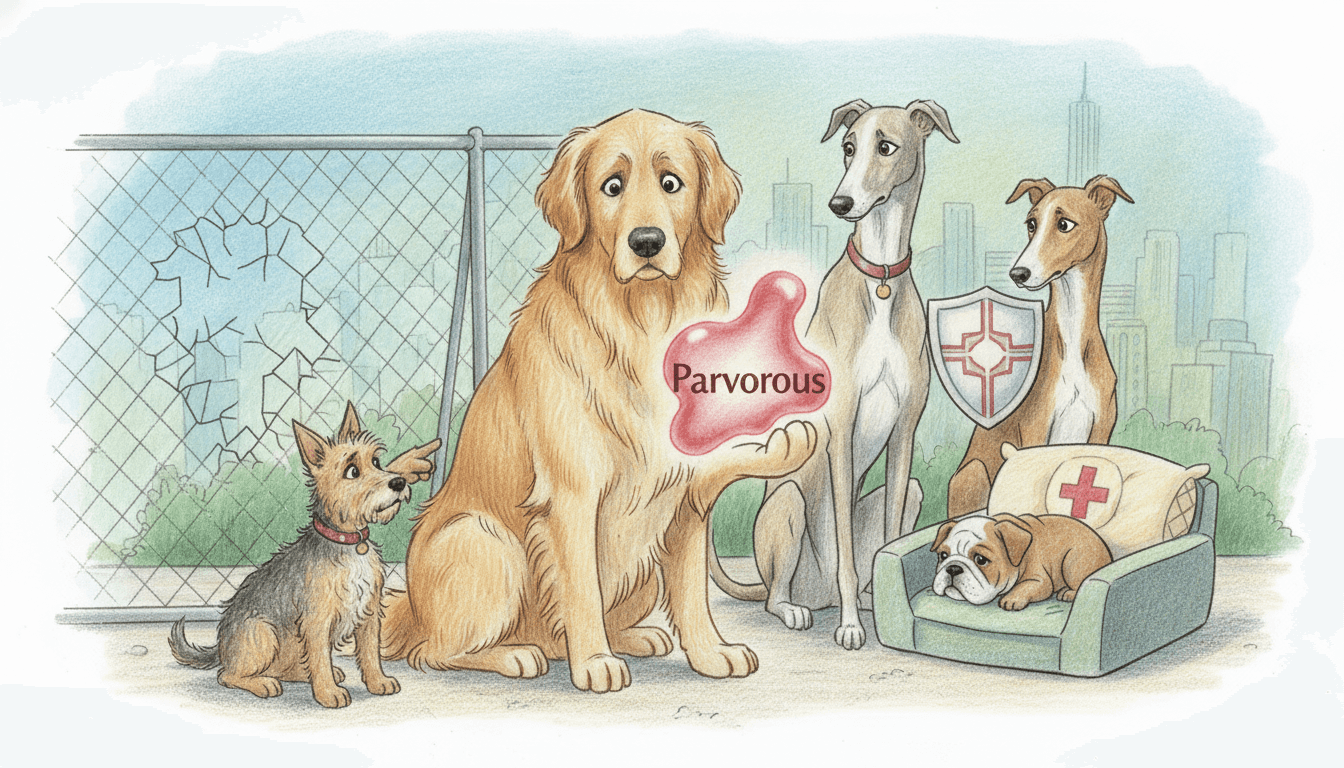
Canine parvovirus is a highly contagious and potentially fatal viral disease primarily affecting puppies between five to ten weeks old and dogs under one year, with unvaccinated individuals being at greatest risk. This comprehensive guide explores transmission routes, clinical signs like severe vomiting and bloody diarrhea, and the critical importance of vaccination. Recent medical advancements, including monoclonal antibody therapies, are highlighted as innovative treatment options. Prevention strategies such as limiting exposure and maintaining proper hygiene are emphasized to protect your pet's health.
Detecting and Preventing Kidney Disease in Cats: A Professional Guide
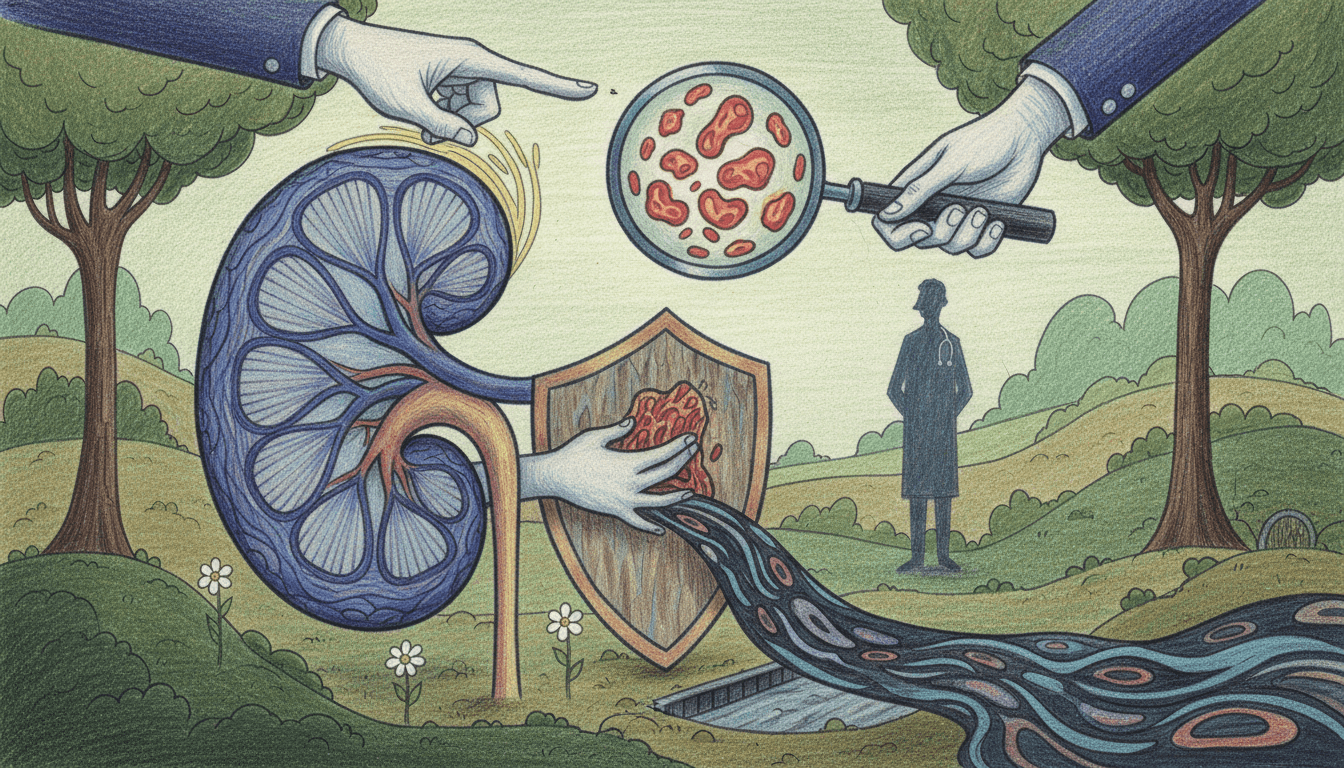
Chronic kidney disease is a leading cause of morbidity in cats, affecting up to 30% of felines over age 15. Early detection through regular blood work and urinalysis is crucial since clinical signs often appear only after significant kidney damage. Prevention strategies include maintaining optimal hydration, feeding renal-supportive diets, and managing risk factors like hypertension. With proper veterinary care and owner vigilance, progression can be significantly slowed, maintaining quality of life for years.