

Pet health is intrinsically linked to seasonal variations, with each season presenting distinct environmental challenges that require proactive and adaptive care strategies. As temperatures fluctuate and humidity levels shift, pets face increased risks of conditions like heatstroke, hypothermia, and parasitic infections. This comprehensive guide, informed by Veterinary Seasonal Health Experts, delves into the critical aspects of seasonal pet health, emphasizing the importance of tailored preventive approaches. By understanding and addressing these seasonal dynamics, pet owners can safeguard their companions' well-being, ensuring they thrive throughout the year.
Sections
Temperature-Related Risks: Managing Extreme Weather Conditions
Temperature extremes pose significant health threats to pets, necessitating vigilant monitoring and adaptive care. In summer, heat and humidity can lead to heatstroke, a life-threatening condition characterized by panting, drooling, and elevated body temperatures exceeding 103°F (39.4°C). Studies indicate that over 70% of heat-related pet emergencies occur during heatwaves, with brachycephalic breeds like Bulldogs and Pugs being particularly vulnerable. Preventive measures include providing ample shade, fresh water, and avoiding strenuous exercise during peak heat hours. Conversely, winter brings risks of hypothermia and frostbite, especially in short-haired or small breeds. Temperatures below 32°F (0°C) can cause frostbite on ears, paws, and tails within minutes. Implementing strategies such as insulated shelters, pet-safe heating pads, and protective clothing can mitigate these risks, ensuring pets remain safe in fluctuating climates.
Seasonal Parasite Management: Controlling Infestations Year-Round
Parasite activity varies seasonally, requiring targeted management to prevent infestations. Fleas and ticks thrive in warm, humid conditions, with peak activity in spring and summer. A single female flea can lay up to 50 eggs daily, leading to rapid infestations if unchecked. Monthly topical or oral preventatives, containing ingredients like fipronil or selamectin, are essential for control. In autumn, rodents seeking shelter can introduce parasites like mites and ticks into homes, necessitating environmental treatments. Heartworm, transmitted by mosquitoes, poses a year-round threat in many regions, with the American Heartworm Society recommending annual testing and continuous prophylaxis. By aligning parasite control with seasonal patterns, pet owners reduce the risk of diseases such as Lyme disease and anaplasmosis, promoting long-term health.
Environmental Adaptation: Adjusting Care for Seasonal Changes
Adapting pet care to environmental shifts is crucial for preventing seasonal health issues. In spring, pollen and allergens can trigger dermatitis or respiratory problems in up to 10% of pets, requiring antihistamines or hypoallergenic diets. Summer demands hydration management; pets may need 50-100% more water intake in high temperatures. Autumn brings falling leaves and mold, which can harbor toxins or allergens, while winter requires paw protection from ice-melting chemicals like calcium chloride. Indoor humidity levels should be maintained at 30-50% to prevent dry skin. Regular grooming, seasonal vaccinations, and behavioral adjustments—such as reducing outdoor time during extreme weather—ensure pets adapt smoothly to environmental changes, minimizing stress and health complications.
Implementing Season-Specific Preventive Strategies
Proactive preventive strategies are key to mitigating seasonal health risks. In summer, schedule veterinary check-ups to assess hydration and heartworm status, and use cooling mats or fans to regulate body temperature. Winter strategies include providing high-calorie diets for energy and checking for signs of arthritis exacerbated by cold. Spring and autumn are ideal for dental cleanings and booster shots, aligning with lower parasite activity. Data shows that pets on consistent preventive care have 40% fewer emergency visits. Incorporate environmental enrichments, like indoor play during storms, to reduce anxiety. By customizing care to seasonal demands, owners can enhance their pets' resilience and overall quality of life.
Key Takeaways
Adapt care routines to address temperature extremes, preventing heatstroke in summer and hypothermia in winter.
Use season-specific parasite preventatives to control fleas, ticks, and heartworm based on regional activity patterns.
Modify environments with hydration aids, protective gear, and indoor adjustments to reduce seasonal stressors.
Schedule veterinary visits during transitional seasons for screenings and updated preventive plans.
Monitor behavioral changes and symptoms like lethargy or itching, as early detection improves outcomes.
Frequently Asked Questions
How often should I adjust my pet's care routine for seasonal changes?
What are the most common seasonal parasites, and how can I prevent them?
Can indoor pets be affected by seasonal changes?
What signs indicate my pet is struggling with seasonal adjustments?
Conclusion
Seasonal pet health considerations are vital for proactive care, enabling owners to address unique challenges posed by changing environments. By integrating adaptive strategies—such as temperature management, parasite control, and environmental modifications—pet owners can significantly reduce health risks. Collaboration with veterinary professionals ensures tailored approaches, fostering resilience and well-being. Embrace these practices to provide consistent, year-round care, keeping pets safe and healthy through every season's demands.
Related Comparisons

Comprehensive Guide to Common Pet Health Risks and Effective Prevention Strategies
This detailed guide explores prevalent pet health risks, drawing on WSAVA data covering dental disease, obesity, parasitic infections, and chronic kidney disease. It emphasizes proactive veterinary care, nutrition, exercise, and dental hygiene as core prevention pillars. Learn to identify early illness signs, manage weight effectively, and implement comprehensive wellness routines to extend your pet's lifespan and quality of life through evidence-based strategies.

Comprehensive Pet Preventive Care Guide: A Holistic Approach to Lifelong Health
This detailed guide outlines a holistic strategy for proactive pet health management, emphasizing the critical role of preventive care in extending your companion's lifespan and quality of life. Learn about essential annual wellness exams, tailored vaccination schedules, year-round parasite prevention protocols, and advanced diagnostic screenings. Discover how proper nutrition, behavioral monitoring, and early intervention can prevent common health issues. Backed by AAHA standards, this resource provides actionable insights for pet owners committed to comprehensive preventive healthcare.

Understanding and Preventing Arthritis in Dogs: A Comprehensive Guide
Arthritis affects one in five dogs, particularly large breeds, obese, and senior dogs. Early detection through regular veterinary check-ups is vital for effective management. Prevention strategies include maintaining a healthy weight, incorporating joint supplements, and engaging in low-impact exercises. This guide provides expert insights to help dog owners recognize symptoms, implement preventive measures, and improve their pet's quality of life.
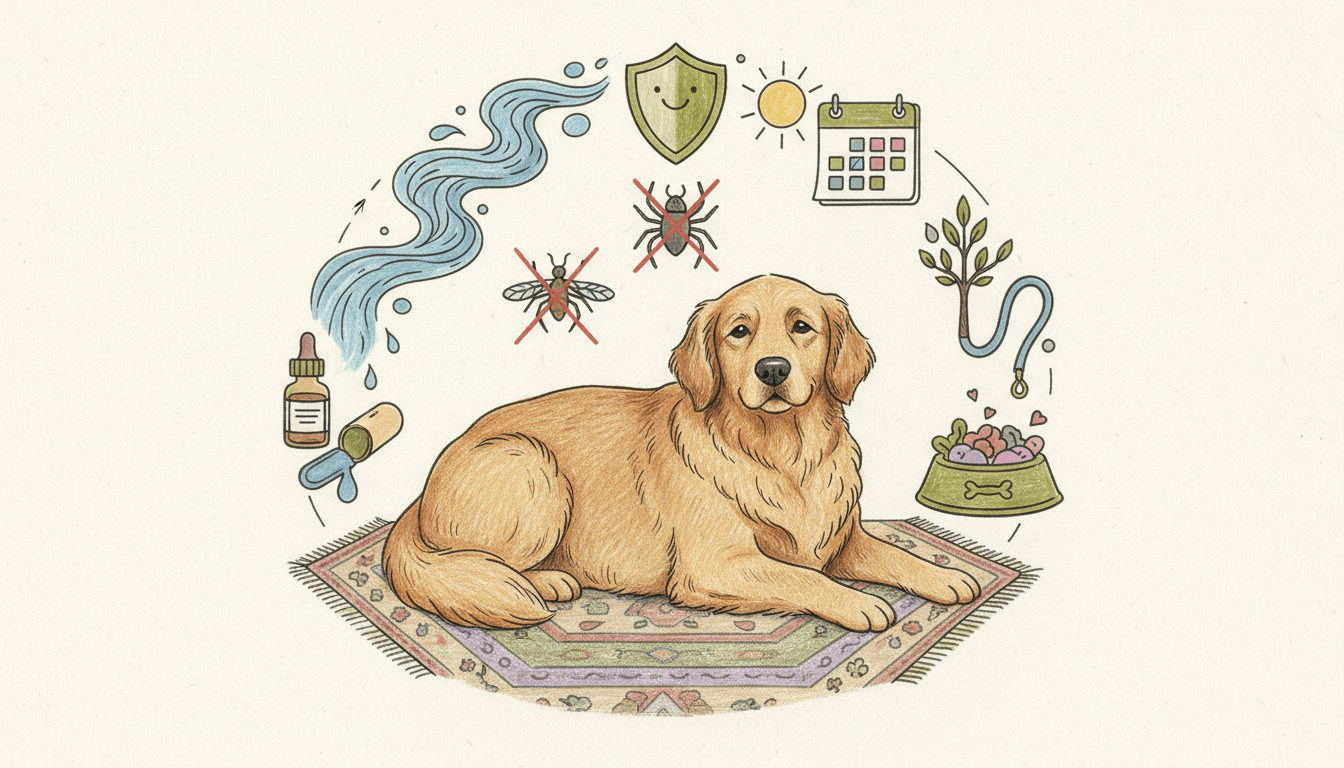
Comprehensive Dog Parasite Prevention Guide: Protecting Your Pet Year-Round
This guide details essential strategies for protecting dogs from common parasites like heartworms, fleas, ticks, and intestinal worms. Emphasizing year-round prevention, it covers oral medications, topical treatments, and preventive collars, alongside the importance of veterinary consultation for personalized plans. Learn how to safeguard your dog's health with reliable, data-backed methods from trusted sources like VCA Animal Hospitals.

Comprehensive Guide to Dental Care for Pets: Preventing Disease and Enhancing Lifespan
Dental disease affects 70-80% of dogs and cats by age three, often leading to severe health complications. This guide details essential practices like brushing with pet-specific toothpaste, scheduling annual veterinary check-ups, and recognizing early signs of dental issues. Learn how proactive dental care can prevent infections, reduce inflammation, and extend your pet's lifespan with expert-backed strategies and practical tips.

Comprehensive Weight Management for Pets: Preventing Obesity and Enhancing Lifespan
Obesity affects approximately 50% of pets, making it a critical health issue with severe consequences like diabetes, heart disease, and arthritis. This guide explores evidence-based strategies for maintaining a healthy weight through personalized diet and exercise plans, emphasizing veterinary consultation. Learn to identify risks, implement effective routines, and leverage professional insights to safeguard your pet's well-being and longevity.
Pet Ear Health and Mite Prevention: Essential Guide for Pet Owners
Ear mites are a prevalent parasitic issue affecting pets, particularly in warm, humid climates, leading to discomfort and potential hearing complications. This guide details risk factors like warm environments and limited grooming, emphasizing prevention through regular ear checks, proper cleaning techniques, and veterinarian-recommended treatments. Cats are especially susceptible, making consistent ear care vital for overall health. By following expert advice, pet owners can safeguard their companions from infections and ensure long-term wellness.

Managing Canine Obesity and Weight Health: A Comprehensive Guide
Canine obesity is a critical health issue affecting over 50% of dogs in developed countries, leading to preventable conditions like diabetes, arthritis, and heart disease. This guide details evidence-based strategies from veterinary experts, including balanced nutrition with precise portion control, structured exercise regimens, and regular body condition scoring. Implementing these methods can extend your dog's lifespan by up to 2 years while enhancing mobility and overall vitality. Proactive weight management is essential for ensuring your pet's long-term well-being.

Intestinal Parasite Management in Pets: Prevention, Diagnosis, and Treatment
Intestinal parasites such as coccidia and giardia pose significant health risks to pets, especially puppies and kittens, by causing symptoms ranging from mild diarrhea to severe dehydration and malnutrition. Transmission primarily occurs via the fecal-oral route, contaminated water, or maternal sources. Effective management includes strict hygiene protocols, immediate feces cleanup, and regular veterinary screenings. Treatment protocols vary between dogs and cats, underscoring the necessity of professional veterinary oversight for accurate diagnosis and tailored care to ensure pet well-being.

Comprehensive Parasite Prevention Strategies for Optimal Pet Health
Parasite prevention is a critical component of responsible pet ownership, requiring year-round vigilance against threats like heartworms, fleas, ticks, and intestinal parasites. This guide details evidence-based strategies, including tailored medication protocols, annual screenings, and environmental management to protect pets from serious diseases such as Lyme disease and ehrlichiosis. Following American Animal Hospital Association guidelines, we emphasize integrating prevention into routine care to ensure long-term health and well-being for your companion animals.
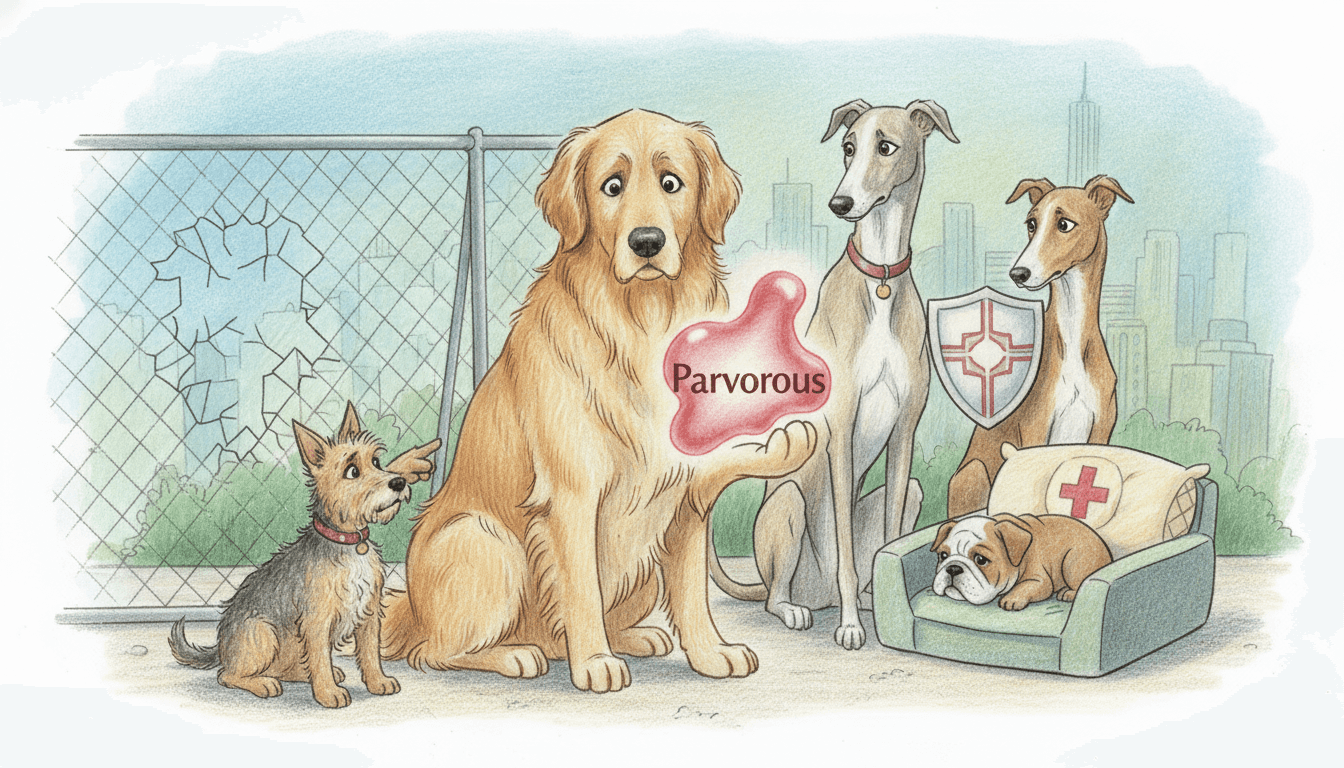
Understanding Parvovirus in Dogs: Risks, Prevention, and Advanced Treatment Options
Canine parvovirus is a highly contagious and potentially fatal viral disease primarily affecting puppies between five to ten weeks old and dogs under one year, with unvaccinated individuals being at greatest risk. This comprehensive guide explores transmission routes, clinical signs like severe vomiting and bloody diarrhea, and the critical importance of vaccination. Recent medical advancements, including monoclonal antibody therapies, are highlighted as innovative treatment options. Prevention strategies such as limiting exposure and maintaining proper hygiene are emphasized to protect your pet's health.
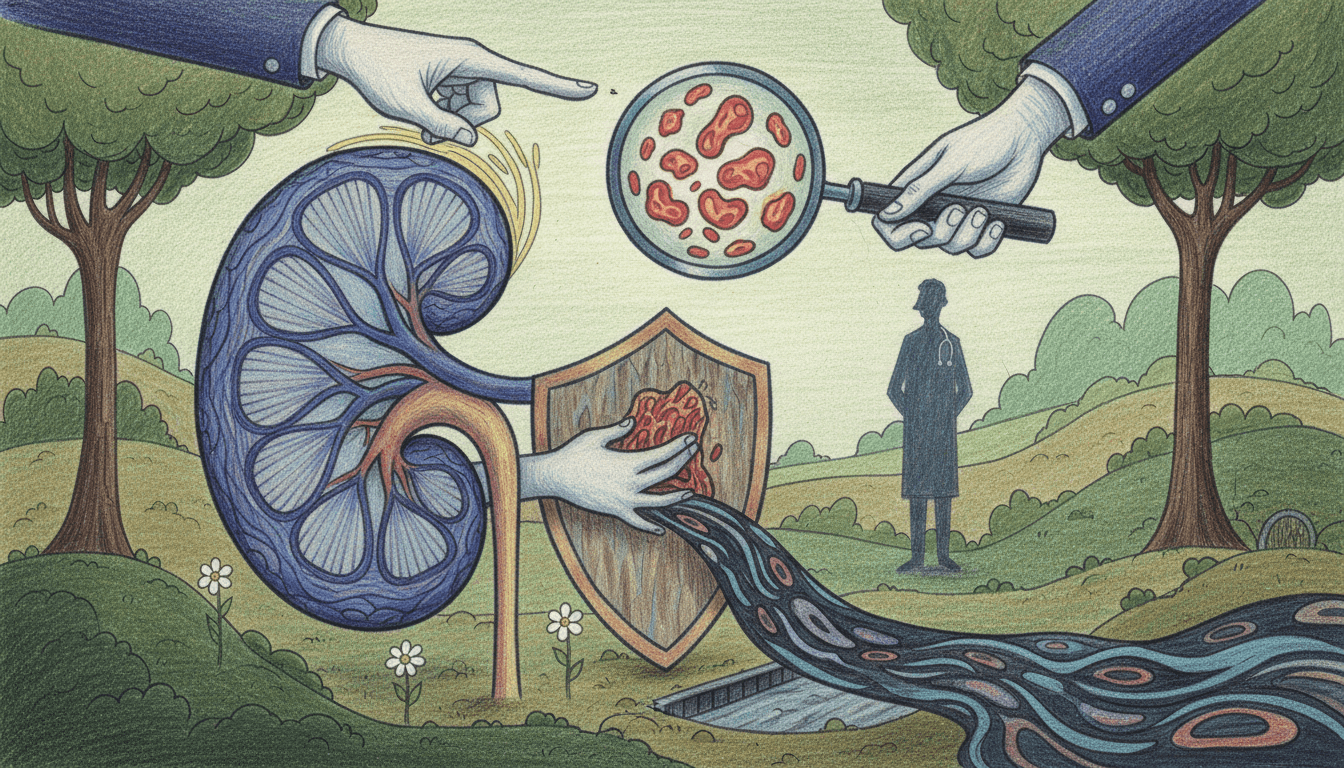
Detecting and Preventing Kidney Disease in Cats: A Professional Guide
Chronic kidney disease is a leading cause of morbidity in cats, affecting up to 30% of felines over age 15. Early detection through regular blood work and urinalysis is crucial since clinical signs often appear only after significant kidney damage. Prevention strategies include maintaining optimal hydration, feeding renal-supportive diets, and managing risk factors like hypertension. With proper veterinary care and owner vigilance, progression can be significantly slowed, maintaining quality of life for years.
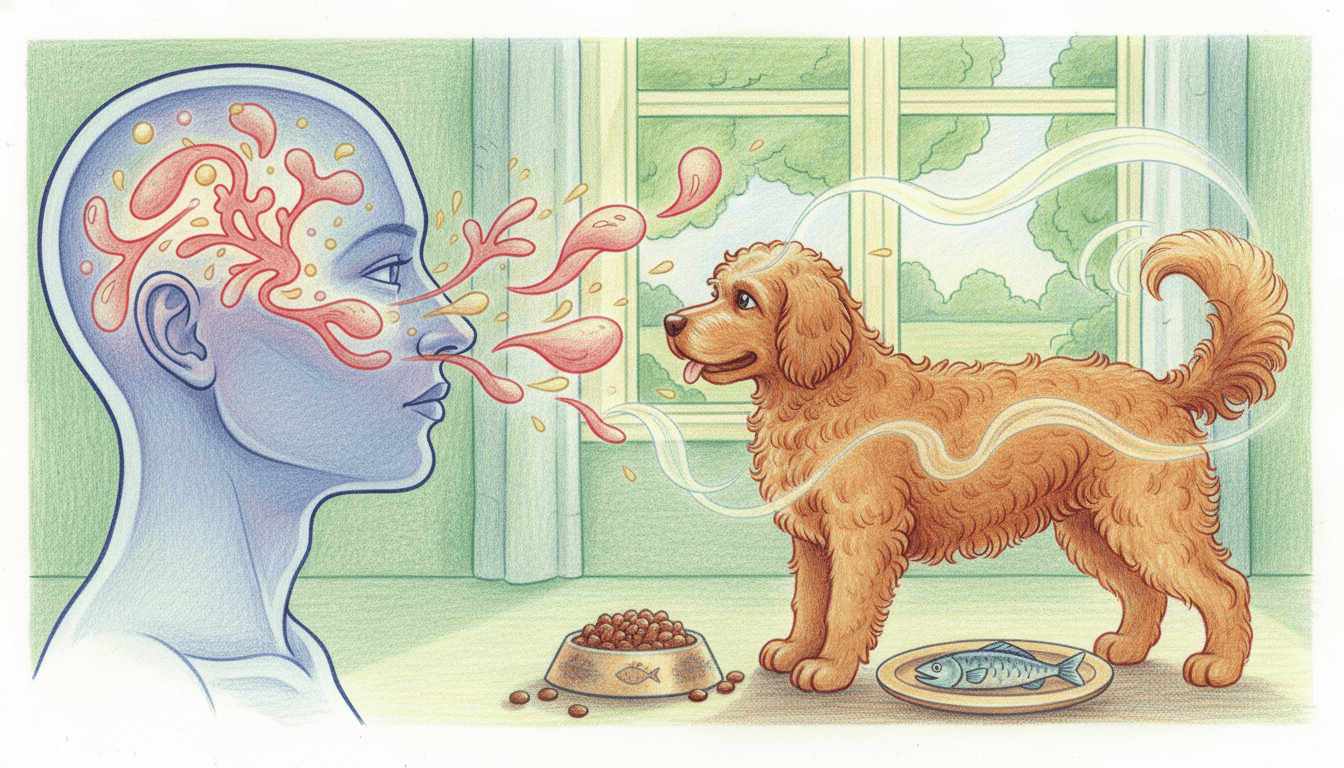
Understanding Pet Allergies: Causes, Symptoms, and Management Strategies
Pet allergies are immune responses to substances like food ingredients, environmental triggers, or parasites such as fleas. Common symptoms include persistent itching, skin infections, and gastrointestinal distress, affecting up to 10% of dogs and cats. Effective management requires veterinary diagnosis through methods like elimination diets or allergy testing, followed by tailored interventions including hypoallergenic nutrition, environmental controls, and medical treatments to alleviate discomfort and enhance your pet's quality of life.

Essential Dog Vaccination Guide: Core and Non-Core Vaccines Explained
This comprehensive guide explains the critical importance of dog vaccinations for preventing life-threatening diseases. It details core vaccines—rabies, distemper, parvovirus, and adenovirus-2—which are essential for all dogs, and non-core vaccines like kennel cough, Lyme disease, and canine influenza, recommended based on exposure risks. Emphasizing the role of annual veterinary check-ups, the article provides a structured vaccination schedule, addresses common concerns, and highlights how vaccinations contribute to long-term canine health and community safety, backed by insights from the American Veterinary Medical Association.