

Environmental health risks pose significant threats to pets, with studies indicating that over 60% of pet poisonings stem from household exposures. Veterinary Environmental Health Specialists emphasize that proactive identification and prevention are crucial, as pets' curiosity and metabolism make them vulnerable to toxins, temperature extremes, and other hazards. This article explores key risks—household chemicals, temperature extremes, toxic plants, and outdoor dangers—providing actionable strategies to mitigate these threats and ensure pets thrive in safe environments.
Sections
Household Chemicals: Common Toxins and Mitigation
Household chemicals represent a leading cause of pet poisonings, with an estimated 100,000 cases annually in the U.S. alone. Cleaning agents like bleach, detergents, and disinfectants can cause gastrointestinal distress, respiratory issues, or chemical burns upon ingestion or inhalation. Antifreeze, containing ethylene glycol, is particularly lethal—just a teaspoon can be fatal to cats, leading to acute kidney failure. Pesticides and rodenticides, often used in homes and gardens, pose neurotoxic risks; for instance, organophosphates can induce seizures and paralysis. To safeguard pets, store all chemicals in secured cabinets, opt for pet-safe alternatives (e.g., vinegar-based cleaners), and immediately consult a veterinarian if exposure occurs, as prompt decontamination can save lives.
Temperature Extremes: Heatstroke and Hypothermia Prevention
Pets are highly susceptible to temperature extremes due to their limited ability to regulate body temperature. Heatstroke, a medical emergency, occurs when body temperature exceeds 104°F (40°C), with brachycephalic breeds like Bulldogs and Pugs at higher risk. Signs include excessive panting, drooling, and collapse; without intervention, mortality rates can exceed 50%. Conversely, hypothermia arises in cold climates, especially for short-haired or small breeds, leading to shivering, lethargy, and organ failure. Preventive measures include providing shaded, ventilated areas in summer, avoiding walks during peak heat, and using pet-safe heating pads in winter. Never leave pets unattended in vehicles, where temperatures can spike 20°F in 10 minutes, and monitor humidity levels, as high humidity exacerbates heat stress.
Toxic Plants: Identification and Pet-Safe Landscaping
Over 700 plant species are toxic to pets, with lilies causing acute kidney failure in cats and sago palms leading to liver damage in dogs. Common household plants like philodendrons and dieffenbachia contain calcium oxalate crystals, causing oral irritation and swelling. In gardens, azaleas and oleanders contain cardiac glycosides, which can result in fatal arrhythmias. To prevent incidents, identify and remove toxic plants from homes and yards, replacing them with safe options like spider plants or marigolds. Educate family members on plant risks, and if ingestion is suspected, contact a veterinarian or animal poison control (e.g., ASPCA Hotline) immediately, as timely treatment with activated charcoal or supportive care can prevent severe outcomes.
Outdoor Hazards: From Parks to Urban Settings
Outdoor environments introduce hazards such as parasites, traffic, and contaminated water. Ticks and mosquitoes transmit diseases like Lyme disease and heartworm, affecting up to 1 in 10 dogs in endemic areas. Standing water in puddles or ponds may contain leptospirosis bacteria, causing liver and kidney damage. In urban settings, traffic accidents are a leading cause of pet mortality, while off-leash areas risk fights or ingestion of foreign objects. Use preventive products like flea/tick collars and heartworm medications, leash pets in unfamiliar areas, and avoid walks near busy roads. Regularly inspect yards for sharp objects or holes, and provide fresh water to discourage drinking from unsafe sources.
Creating Safe Living Environments: Holistic Strategies
A comprehensive approach to pet safety involves environmental modifications and routine monitoring. Secure living spaces by installing pet gates, using non-slip flooring, and eliminating small ingestible objects. Implement a 'pet-proofing' checklist that includes checking for loose wires, storing medications out of reach, and ensuring trash cans are covered. Incorporate regular veterinary check-ups to detect early signs of environmental exposure, such as blood tests for toxin screening. Educate all household members on emergency protocols, including the location of pet first-aid kits and contact information for poison control. By combining vigilance with professional guidance, pet owners can significantly reduce risks and promote long-term wellness.
Key Takeaways
Store household chemicals securely and use pet-safe alternatives to prevent poisonings.
Monitor pets in extreme temperatures and provide adequate shelter and hydration.
Identify and remove toxic plants from homes and gardens to avoid ingestion risks.
Use leashes and preventive medications to mitigate outdoor hazards like traffic and parasites.
Conduct regular home safety audits and maintain emergency veterinary contacts.
Frequently Asked Questions
What are the most common signs of pet poisoning from household chemicals?
How can I protect my pet from heatstroke during summer?
Are there any safe plants for pets I can grow indoors?
What should I do if my pet ingests a toxic substance?
Conclusion
Protecting pets from environmental health risks requires a multifaceted approach grounded in awareness and prevention. By understanding threats like household toxins, temperature extremes, toxic plants, and outdoor dangers, pet owners can implement effective safeguards. Regular consultations with veterinarians and adherence to safety protocols ensure pets enjoy healthy, hazard-free lives. Ultimately, proactive measures not only prevent emergencies but also strengthen the bond between pets and their families, fostering a nurturing environment for years to come.
Related Comparisons
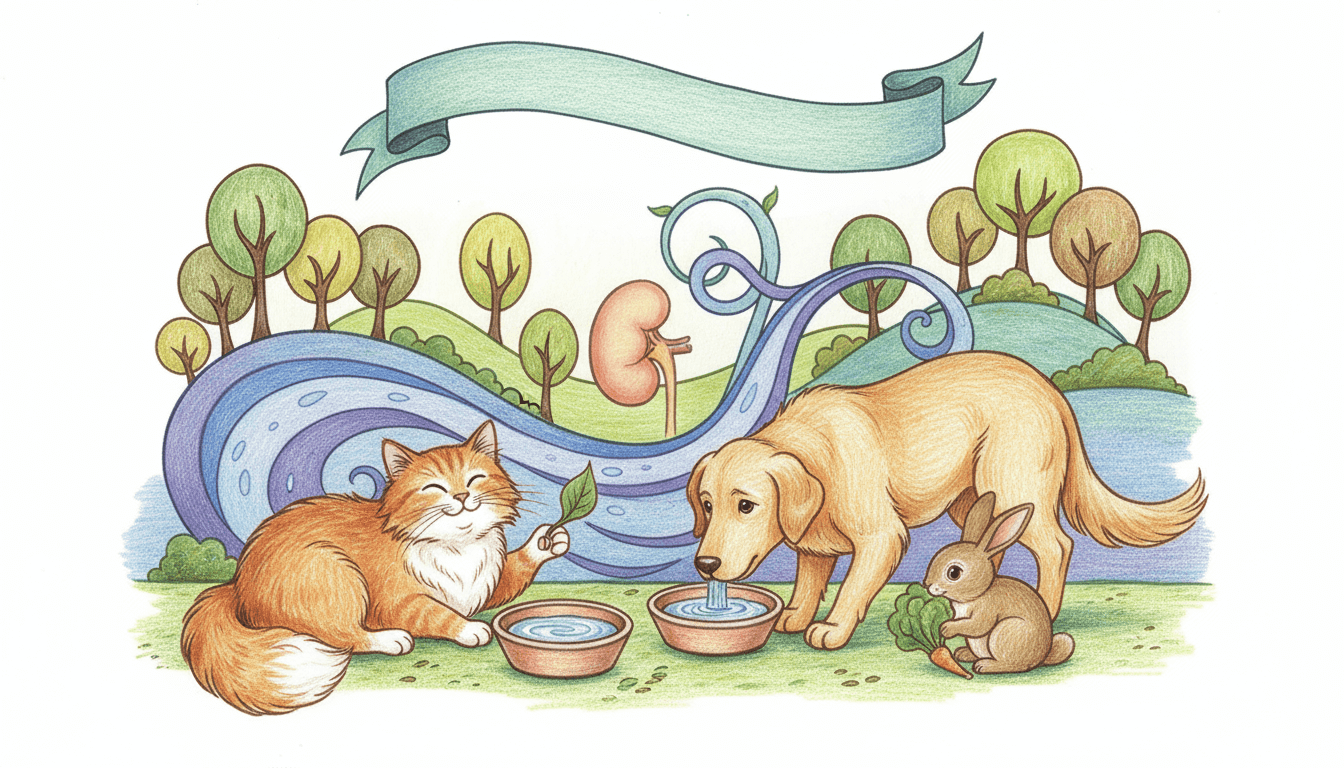
Kidney Disease Prevention in Pets: Early Detection and Proactive Care
Chronic kidney disease (CKD) is a progressive condition affecting pets, often remaining asymptomatic until 75% of kidney function is lost. This guide emphasizes the critical role of routine veterinary care, including blood work and urinalysis, for early detection and management. By identifying subtle signs early, pet owners can implement timely interventions—such as dietary adjustments, hydration support, and medication—to slow disease progression and enhance their pet's quality of life. Learn actionable strategies to protect your pet's renal health and reduce risks associated with CKD.

Comprehensive Pet Nutrition Guidance: Personalized Dietary Plans for Optimal Health
Proper nutrition is foundational to your pet's health, longevity, and quality of life. Veterinary nutrition specialists emphasize creating customized dietary plans tailored to individual factors like age, weight, activity level, and specific health conditions. This guide explores age-specific nutritional needs—from puppy/kitten formulas to senior diets—weight management strategies to prevent obesity, and condition-specific nutrition for ailments like renal disease or allergies. With 60% of pets requiring dietary adjustments by age 7, proactive nutrition planning can extend lifespan by up to 1.8 years. Learn how to collaborate with veterinarians for evidence-based feeding protocols.

Reproductive Health for Pets: Comprehensive Breeding, Cycle Management, and Spaying/Neutering
Reproductive health is vital for pets' well-being, involving understanding breeding risks like dystocia and genetic disorders, managing estrus cycles with timing and health monitoring, and making informed decisions on spaying/neutering to prevent cancers and overpopulation. Veterinarians provide essential guidance through health screenings and personalized plans. This guide covers key aspects to ensure pets lead healthy lives, backed by expert insights from Veterinary Reproductive Health Specialists.
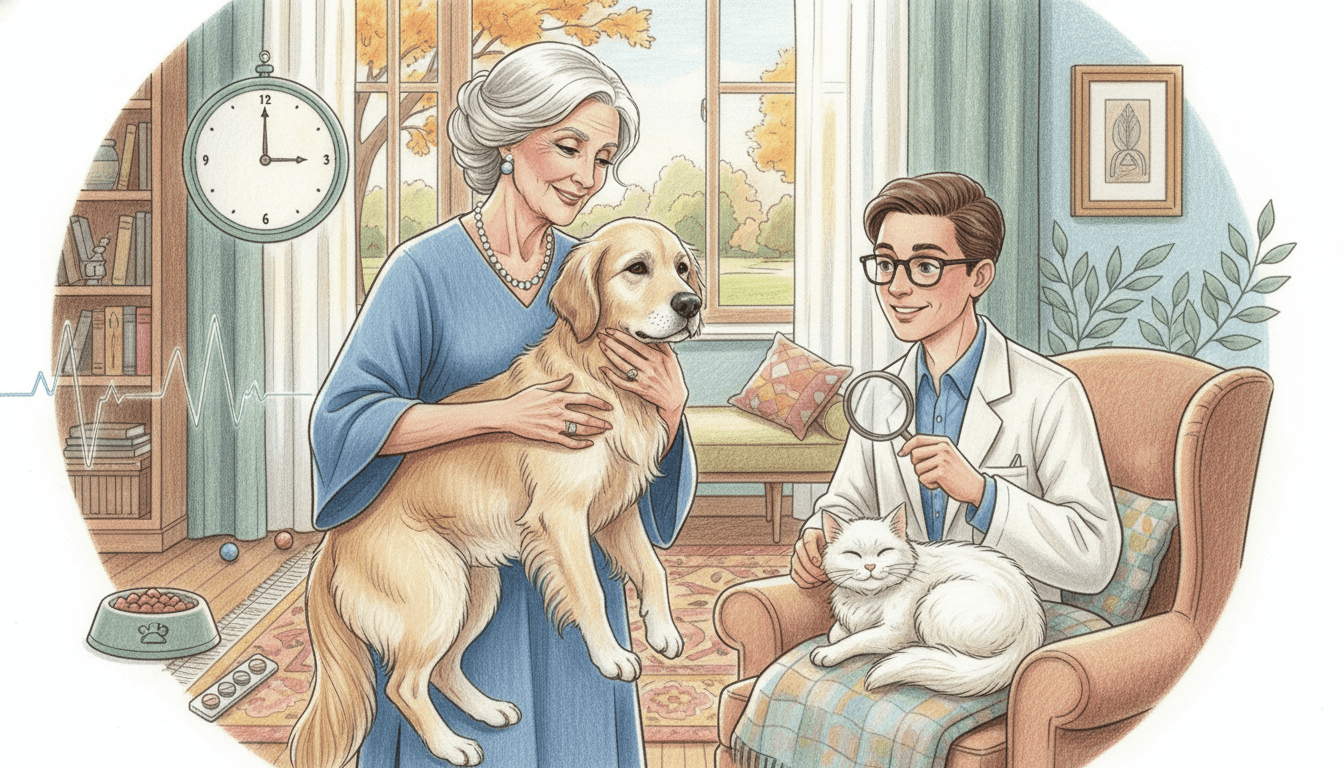
Comprehensive Geriatric Pet Care: Managing Age-Related Conditions and Enhancing Quality of Life
Geriatric pet care involves specialized attention to aging animals, focusing on managing chronic conditions, supporting mobility, and ensuring comfort. Key practices include regular veterinary check-ups, tailored nutrition, and environmental modifications. Early detection of issues like arthritis, dental disease, and cognitive decline can significantly improve outcomes. With proactive care, senior pets can maintain a high quality of life, emphasizing compassionate support and individualized interventions based on species, breed, and health status.
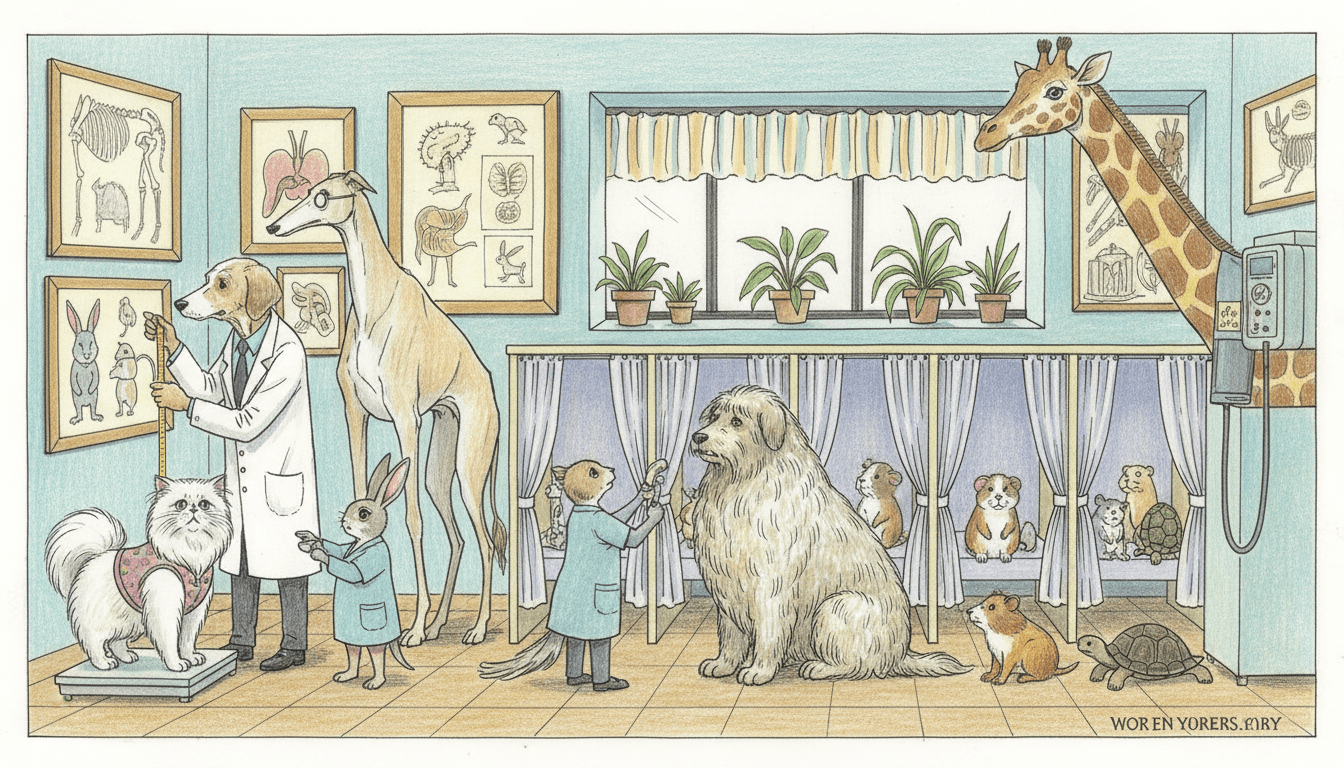
Routine Physical Examinations for Pets: Essential Health Screenings and Early Detection
Routine physical examinations are fundamental to proactive pet healthcare, enabling early detection of diseases through comprehensive screenings. These exams, recommended annually or bi-annually, involve detailed assessments of multiple body systems including cardiovascular, lymphatic, and organ functions. Veterinarians utilize these check-ups to identify issues like heart murmurs, tumors, and organ abnormalities before they escalate, significantly improving treatment outcomes and longevity. Supported by organizations like the American Veterinary Medical Association, regular exams are a cornerstone of preventive care, helping pet owners maintain their companions' health and well-being with evidence-based practices.

Pet Mental Health and Enrichment: Essential Strategies for Emotional Well-Being
Mental and emotional well-being is as vital for pets as physical health, with studies showing that 20-40% of pets exhibit anxiety or stress-related behaviors. This guide covers proven strategies from veterinary behavioral experts, including behavioral enrichment, anxiety management, and environmental stimulation. Learn how to implement interactive toys, routine adjustments, and safe spaces to reduce stress and prevent issues like separation anxiety or destructive habits, improving your pet's quality of life and strengthening your bond.

Holistic Pet Health Approaches: Integrating Traditional and Alternative Veterinary Medicine
Holistic pet health approaches combine traditional veterinary medicine with alternative therapies to address the complete well-being of animals, including physical, mental, and environmental factors. This comprehensive method integrates treatments like acupuncture, herbal remedies, and nutrition with conventional diagnostics and medications. By focusing on prevention and whole-body wellness, holistic care supports long-term health, reduces reliance on pharmaceuticals, and improves quality of life. Backed by veterinary experts, this approach ensures pets receive personalized, balanced care tailored to their unique needs.

Seasonal Pet Health Considerations: Comprehensive Adaptive Care Strategies
Seasonal shifts significantly impact pet health, demanding tailored care approaches to address varying environmental conditions. This guide explores temperature-related risks, seasonal parasite management, and environmental adaptation strategies essential for maintaining pet wellness year-round. With insights from veterinary experts, pet owners can implement preventive measures against heatstroke in summer, hypothermia in winter, and parasite infestations during transitional seasons. Understanding these dynamics helps mitigate health challenges, ensuring pets remain healthy, comfortable, and protected through every seasonal change.

Comprehensive Guide to Common Pet Health Risks and Effective Prevention Strategies
This detailed guide explores prevalent pet health risks, drawing on WSAVA data covering dental disease, obesity, parasitic infections, and chronic kidney disease. It emphasizes proactive veterinary care, nutrition, exercise, and dental hygiene as core prevention pillars. Learn to identify early illness signs, manage weight effectively, and implement comprehensive wellness routines to extend your pet's lifespan and quality of life through evidence-based strategies.

Comprehensive Pet Preventive Care Guide: A Holistic Approach to Lifelong Health
This detailed guide outlines a holistic strategy for proactive pet health management, emphasizing the critical role of preventive care in extending your companion's lifespan and quality of life. Learn about essential annual wellness exams, tailored vaccination schedules, year-round parasite prevention protocols, and advanced diagnostic screenings. Discover how proper nutrition, behavioral monitoring, and early intervention can prevent common health issues. Backed by AAHA standards, this resource provides actionable insights for pet owners committed to comprehensive preventive healthcare.

Understanding and Preventing Arthritis in Dogs: A Comprehensive Guide
Arthritis affects one in five dogs, particularly large breeds, obese, and senior dogs. Early detection through regular veterinary check-ups is vital for effective management. Prevention strategies include maintaining a healthy weight, incorporating joint supplements, and engaging in low-impact exercises. This guide provides expert insights to help dog owners recognize symptoms, implement preventive measures, and improve their pet's quality of life.

Comprehensive Dog Parasite Prevention Guide: Protecting Your Pet Year-Round
This guide details essential strategies for protecting dogs from common parasites like heartworms, fleas, ticks, and intestinal worms. Emphasizing year-round prevention, it covers oral medications, topical treatments, and preventive collars, alongside the importance of veterinary consultation for personalized plans. Learn how to safeguard your dog's health with reliable, data-backed methods from trusted sources like VCA Animal Hospitals.

Comprehensive Guide to Dental Care for Pets: Preventing Disease and Enhancing Lifespan
Dental disease affects 70-80% of dogs and cats by age three, often leading to severe health complications. This guide details essential practices like brushing with pet-specific toothpaste, scheduling annual veterinary check-ups, and recognizing early signs of dental issues. Learn how proactive dental care can prevent infections, reduce inflammation, and extend your pet's lifespan with expert-backed strategies and practical tips.

Comprehensive Weight Management for Pets: Preventing Obesity and Enhancing Lifespan
Obesity affects approximately 50% of pets, making it a critical health issue with severe consequences like diabetes, heart disease, and arthritis. This guide explores evidence-based strategies for maintaining a healthy weight through personalized diet and exercise plans, emphasizing veterinary consultation. Learn to identify risks, implement effective routines, and leverage professional insights to safeguard your pet's well-being and longevity.