
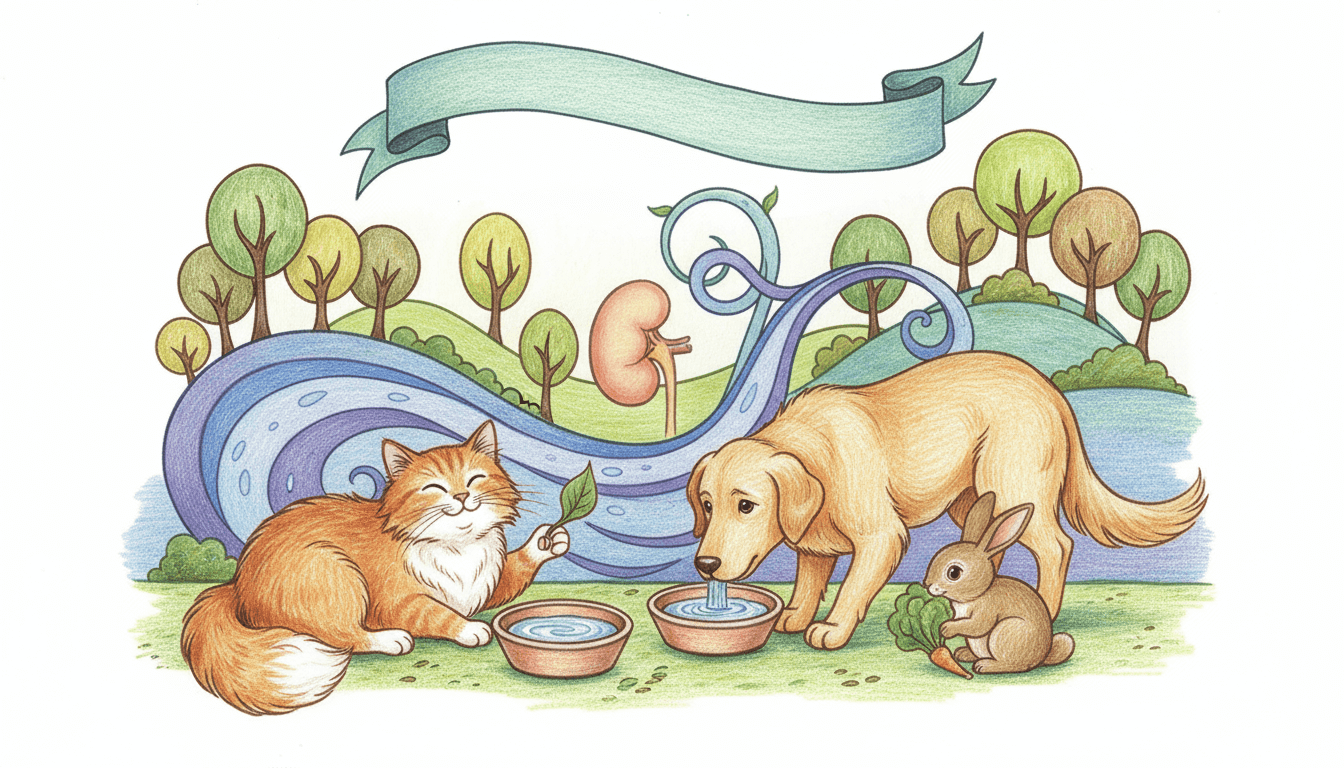
Chronic kidney disease (CKD) is a prevalent and serious health issue in pets, characterized by the gradual loss of renal function over time. According to Veterinary Nephrology Specialists, this condition often progresses silently, with up to 75% of kidney function potentially lost before visible symptoms emerge. Early detection through routine veterinary screenings—such as blood work and urinalysis—is paramount for timely intervention. This article delves into the mechanisms of CKD, risk factors, prevention strategies, and management techniques to empower pet owners with knowledge that can prolong their companion's health and vitality.
Sections
Understanding Chronic Kidney Disease in Pets
Chronic kidney disease involves the irreversible deterioration of kidney function, impacting filtration, waste removal, and electrolyte balance. The kidneys play a vital role in regulating blood pressure, producing erythropoietin for red blood cell production, and maintaining hydration. In CKD, nephrons—the functional units of the kidneys—are damaged, leading to toxin buildup and systemic complications. The insidious nature of CKD means that clinical signs, such as increased thirst, weight loss, or lethargy, often appear only after significant damage has occurred. Veterinary experts note that the 75% function loss threshold underscores the importance of proactive monitoring, as early-stage CKD may present with subtle changes detectable only through laboratory tests.
The Critical Role of Early Detection and Screening
Routine wellness checks are essential for identifying CKD in its initial stages. Blood work, including serum chemistry panels, measures biomarkers like blood urea nitrogen (BUN) and creatinine, which rise as kidney function declines. A BUN level above 30 mg/dL or creatinine exceeding 1.6 mg/dL in dogs (species-specific variations apply) may indicate renal impairment. Urinalysis complements blood tests by assessing urine specific gravity, protein levels, and sediment; a low specific gravity (<1.030 in dogs) suggests poor concentrating ability, a hallmark of CKD. Additional tests, such as symmetric dimethylarginine (SDMA), can detect function loss earlier, with elevations seen at as little as 25% loss. Annual or semi-annual screenings are recommended, especially for senior pets or breeds predisposed to renal issues, like Persians cats or Cocker Spaniels.
Risk Factors and Prevention Strategies
Several factors increase CKD susceptibility, including age (pets over 7 years are higher risk), breed predispositions, underlying conditions like hypertension or diabetes, and exposure to nephrotoxins (e.g., certain medications, antifreeze). Prevention focuses on mitigating these risks: ensure ample fresh water access to support hydration, feed balanced diets low in phosphorus and sodium, and avoid unsupervised use of non-steroidal anti-inflammatory drugs (NSAIDs). Regular dental care reduces oral bacteria that can contribute to renal inflammation. For at-risk pets, consider incorporating renal-support supplements under veterinary guidance, such as omega-3 fatty acids to reduce inflammation. Environmental enrichment and weight management also play roles in overall renal health.
Management and Intervention for CKD
If CKD is diagnosed, a multifaceted management plan can slow progression. Dietary modification is cornerstone; prescription renal diets are formulated with restricted protein, phosphorus, and sodium to ease kidney workload. For example, a diet containing <0.5% phosphorus on a dry matter basis is often recommended. Hydration support may involve subcutaneous fluids administered at home, with volumes tailored to the pet's size (e.g., 100-200 mL for a medium dog). Medications like ACE inhibitors (e.g., enalapril) help control proteinuria and hypertension, while phosphate binders reduce phosphorus absorption. Regular monitoring—every 3-6 months—adjusts treatments based on trends in weight, blood pressure, and laboratory values. In advanced cases, erythropoiesis-stimulating agents address anemia, improving energy levels.
Integrating Care into Daily Pet Routines
Consistency in care routines enhances CKD management. Establish a schedule for feeding, medication, and hydration, using tools like automatic water fountains to encourage drinking. Track symptoms daily, noting changes in appetite, urination frequency, or behavior. Collaborate closely with your veterinarian to tailor plans; for instance, if a pet refuses a renal diet, gradual transitions or flavor enhancers may improve compliance. Educate all family members on recognizing warning signs, such as vomiting or bad breath (uremic odor). Supportive care, including gentle exercise and stress reduction, contributes to well-being. Remember, early intervention based on screening data can extend quality life by years, with studies showing properly managed CKD pets living 2-4 years post-diagnosis in many cases.
Key Takeaways
CKD often shows no symptoms until 75% of kidney function is lost, highlighting the need for proactive screening.
Annual blood work and urinalysis are critical for early detection, enabling interventions that slow disease progression.
Risk factors include age, breed, and toxins; prevention involves hydration, diet, and avoiding nephrotoxic substances.
Management includes specialized diets, hydration support, medications, and regular veterinary follow-ups.
Early diagnosis and consistent care can significantly improve prognosis and quality of life for affected pets.
Frequently Asked Questions
What are the early signs of kidney disease in pets?
How often should my pet be screened for kidney disease?
Can kidney disease be cured in pets?
Are certain breeds more prone to kidney disease?
What role does diet play in preventing kidney disease?
Conclusion
Chronic kidney disease poses a significant threat to pet health, but its impact can be mitigated through vigilant care and early detection. By prioritizing routine veterinary screenings—including blood work and urinalysis—pet owners can identify issues before they escalate, implementing strategies to preserve renal function. Embrace a proactive approach with hydration, nutrition, and regular check-ups to safeguard your pet's well-being. For personalized advice, consult your veterinarian and explore resources on Pet Services Best to stay informed on optimal pet care practices.
Related Comparisons

Comprehensive Pet Nutrition Guidance: Personalized Dietary Plans for Optimal Health
Proper nutrition is foundational to your pet's health, longevity, and quality of life. Veterinary nutrition specialists emphasize creating customized dietary plans tailored to individual factors like age, weight, activity level, and specific health conditions. This guide explores age-specific nutritional needs—from puppy/kitten formulas to senior diets—weight management strategies to prevent obesity, and condition-specific nutrition for ailments like renal disease or allergies. With 60% of pets requiring dietary adjustments by age 7, proactive nutrition planning can extend lifespan by up to 1.8 years. Learn how to collaborate with veterinarians for evidence-based feeding protocols.

Reproductive Health for Pets: Comprehensive Breeding, Cycle Management, and Spaying/Neutering
Reproductive health is vital for pets' well-being, involving understanding breeding risks like dystocia and genetic disorders, managing estrus cycles with timing and health monitoring, and making informed decisions on spaying/neutering to prevent cancers and overpopulation. Veterinarians provide essential guidance through health screenings and personalized plans. This guide covers key aspects to ensure pets lead healthy lives, backed by expert insights from Veterinary Reproductive Health Specialists.
Comprehensive Geriatric Pet Care: Managing Age-Related Conditions and Enhancing Quality of Life
Geriatric pet care involves specialized attention to aging animals, focusing on managing chronic conditions, supporting mobility, and ensuring comfort. Key practices include regular veterinary check-ups, tailored nutrition, and environmental modifications. Early detection of issues like arthritis, dental disease, and cognitive decline can significantly improve outcomes. With proactive care, senior pets can maintain a high quality of life, emphasizing compassionate support and individualized interventions based on species, breed, and health status.
Routine Physical Examinations for Pets: Essential Health Screenings and Early Detection
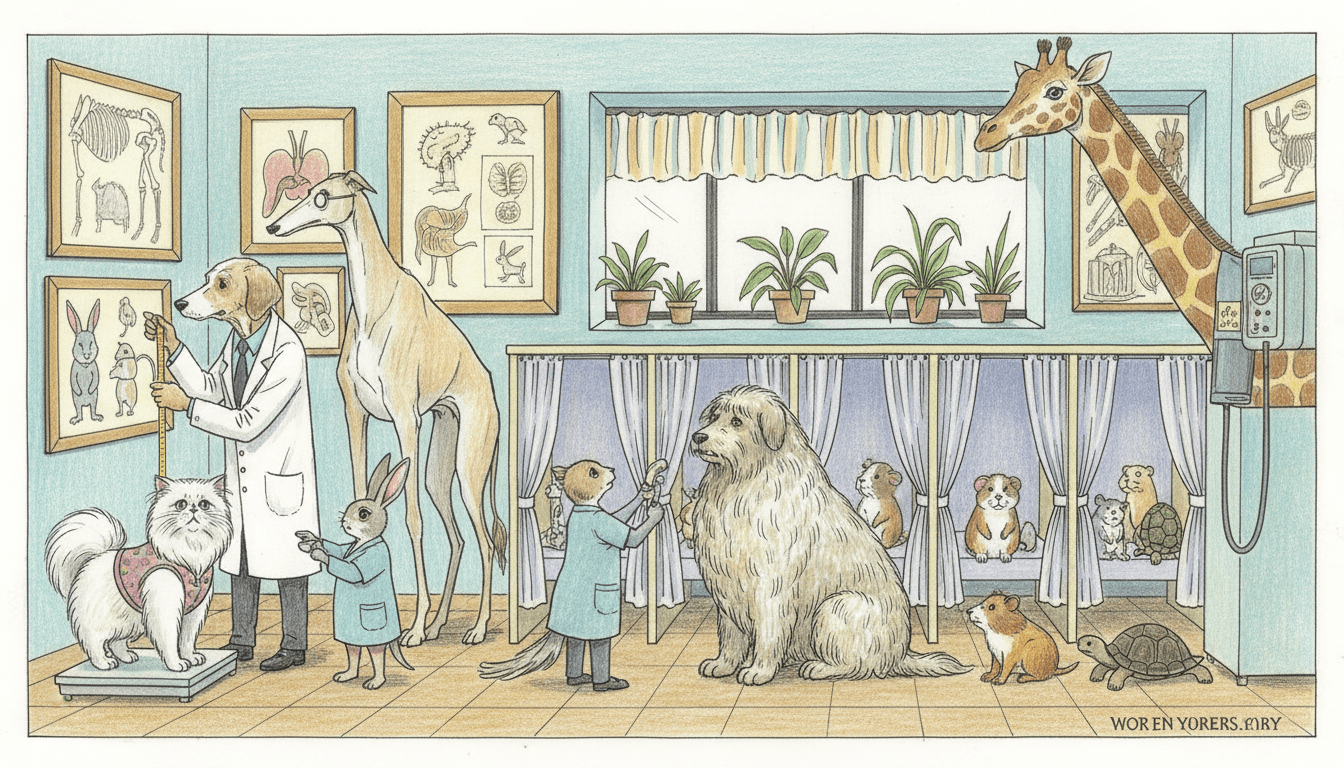
Routine physical examinations are fundamental to proactive pet healthcare, enabling early detection of diseases through comprehensive screenings. These exams, recommended annually or bi-annually, involve detailed assessments of multiple body systems including cardiovascular, lymphatic, and organ functions. Veterinarians utilize these check-ups to identify issues like heart murmurs, tumors, and organ abnormalities before they escalate, significantly improving treatment outcomes and longevity. Supported by organizations like the American Veterinary Medical Association, regular exams are a cornerstone of preventive care, helping pet owners maintain their companions' health and well-being with evidence-based practices.

Pet Mental Health and Enrichment: Essential Strategies for Emotional Well-Being
Mental and emotional well-being is as vital for pets as physical health, with studies showing that 20-40% of pets exhibit anxiety or stress-related behaviors. This guide covers proven strategies from veterinary behavioral experts, including behavioral enrichment, anxiety management, and environmental stimulation. Learn how to implement interactive toys, routine adjustments, and safe spaces to reduce stress and prevent issues like separation anxiety or destructive habits, improving your pet's quality of life and strengthening your bond.

Holistic Pet Health Approaches: Integrating Traditional and Alternative Veterinary Medicine
Holistic pet health approaches combine traditional veterinary medicine with alternative therapies to address the complete well-being of animals, including physical, mental, and environmental factors. This comprehensive method integrates treatments like acupuncture, herbal remedies, and nutrition with conventional diagnostics and medications. By focusing on prevention and whole-body wellness, holistic care supports long-term health, reduces reliance on pharmaceuticals, and improves quality of life. Backed by veterinary experts, this approach ensures pets receive personalized, balanced care tailored to their unique needs.

Seasonal Pet Health Considerations: Comprehensive Adaptive Care Strategies
Seasonal shifts significantly impact pet health, demanding tailored care approaches to address varying environmental conditions. This guide explores temperature-related risks, seasonal parasite management, and environmental adaptation strategies essential for maintaining pet wellness year-round. With insights from veterinary experts, pet owners can implement preventive measures against heatstroke in summer, hypothermia in winter, and parasite infestations during transitional seasons. Understanding these dynamics helps mitigate health challenges, ensuring pets remain healthy, comfortable, and protected through every seasonal change.

Comprehensive Guide to Common Pet Health Risks and Effective Prevention Strategies
This detailed guide explores prevalent pet health risks, drawing on WSAVA data covering dental disease, obesity, parasitic infections, and chronic kidney disease. It emphasizes proactive veterinary care, nutrition, exercise, and dental hygiene as core prevention pillars. Learn to identify early illness signs, manage weight effectively, and implement comprehensive wellness routines to extend your pet's lifespan and quality of life through evidence-based strategies.

Comprehensive Pet Preventive Care Guide: A Holistic Approach to Lifelong Health
This detailed guide outlines a holistic strategy for proactive pet health management, emphasizing the critical role of preventive care in extending your companion's lifespan and quality of life. Learn about essential annual wellness exams, tailored vaccination schedules, year-round parasite prevention protocols, and advanced diagnostic screenings. Discover how proper nutrition, behavioral monitoring, and early intervention can prevent common health issues. Backed by AAHA standards, this resource provides actionable insights for pet owners committed to comprehensive preventive healthcare.

Understanding and Preventing Arthritis in Dogs: A Comprehensive Guide
Arthritis affects one in five dogs, particularly large breeds, obese, and senior dogs. Early detection through regular veterinary check-ups is vital for effective management. Prevention strategies include maintaining a healthy weight, incorporating joint supplements, and engaging in low-impact exercises. This guide provides expert insights to help dog owners recognize symptoms, implement preventive measures, and improve their pet's quality of life.

Comprehensive Dog Parasite Prevention Guide: Protecting Your Pet Year-Round
This guide details essential strategies for protecting dogs from common parasites like heartworms, fleas, ticks, and intestinal worms. Emphasizing year-round prevention, it covers oral medications, topical treatments, and preventive collars, alongside the importance of veterinary consultation for personalized plans. Learn how to safeguard your dog's health with reliable, data-backed methods from trusted sources like VCA Animal Hospitals.

Comprehensive Guide to Dental Care for Pets: Preventing Disease and Enhancing Lifespan
Dental disease affects 70-80% of dogs and cats by age three, often leading to severe health complications. This guide details essential practices like brushing with pet-specific toothpaste, scheduling annual veterinary check-ups, and recognizing early signs of dental issues. Learn how proactive dental care can prevent infections, reduce inflammation, and extend your pet's lifespan with expert-backed strategies and practical tips.

Comprehensive Weight Management for Pets: Preventing Obesity and Enhancing Lifespan
Obesity affects approximately 50% of pets, making it a critical health issue with severe consequences like diabetes, heart disease, and arthritis. This guide explores evidence-based strategies for maintaining a healthy weight through personalized diet and exercise plans, emphasizing veterinary consultation. Learn to identify risks, implement effective routines, and leverage professional insights to safeguard your pet's well-being and longevity.
Pet Ear Health and Mite Prevention: Essential Guide for Pet Owners
Ear mites are a prevalent parasitic issue affecting pets, particularly in warm, humid climates, leading to discomfort and potential hearing complications. This guide details risk factors like warm environments and limited grooming, emphasizing prevention through regular ear checks, proper cleaning techniques, and veterinarian-recommended treatments. Cats are especially susceptible, making consistent ear care vital for overall health. By following expert advice, pet owners can safeguard their companions from infections and ensure long-term wellness.