

Reproductive health is a cornerstone of overall pet wellness, requiring careful attention to breeding practices, cycle management, and sterilization options. According to Veterinary Reproductive Health Specialists, informed decisions can prevent up to 80% of reproductive-related health issues. This article delves into essential considerations, including breeding risks that affect over 30% of unspayed females, effective reproductive cycle strategies, and the lifelong benefits of spaying/neutering, supported by veterinary expertise to ensure pets thrive.
Sections
Understanding Breeding-Related Health Risks
Breeding pets carries significant health risks that owners must recognize. Dystocia, or difficult birth, occurs in approximately 25% of canine pregnancies and can be fatal without intervention. Genetic disorders, such as hip dysplasia in dogs or polycystic kidney disease in cats, may be passed to offspring, emphasizing the need for pre-breeding genetic screenings. Infectious diseases like brucellosis can spread during mating, affecting fertility. Additionally, repeated breeding increases the risk of mammary tumors and pyometra, a life-threatening uterine infection seen in up to 23% of unspayed female dogs by age 10. Consulting a veterinarian for health assessments, including blood tests and ultrasounds, helps mitigate these risks and promotes responsible breeding practices.
Managing Reproductive Cycles in Pets
Effective reproductive cycle management is crucial for pet health and behavior. In female dogs, the estrus cycle typically lasts 2-4 weeks and occurs every 6-12 months, requiring monitoring for signs like swelling and discharge. Cats are seasonally polyestrous, with cycles every 2-3 weeks during breeding seasons, often leading to excessive vocalization. Tools such as progesterone testing can pinpoint ovulation timing, improving breeding success rates by over 70%. For non-breeding pets, cycle suppression through medications or environmental management reduces stress and unwanted behaviors. Regular veterinary check-ups, including hormone level evaluations, ensure cycles are managed safely, preventing complications like false pregnancies or metabolic imbalances.
Benefits of Spaying and Neutering
Spaying (ovariohysterectomy) and neutering (orchiectomy) offer profound health and behavioral advantages. Spaying female pets before their first heat reduces mammary cancer risk by 99% in dogs and 91% in cats, while eliminating uterine infections like pyometra, which affects 1 in 4 unspayed females. Neutering males decreases prostate disease incidence by 60% and curbs roaming and aggression. These procedures also address pet overpopulation, as approximately 6.5 million animals enter U.S. shelters annually, with 1.5 million euthanized. Performed as early as 8 weeks old by veterinarians, spaying/neutering has a 98% success rate with minimal complications, supported by pain management protocols for swift recovery.
The Role of Veterinary Guidance in Reproductive Health
Veterinarians are indispensable in reproductive health, providing tailored advice based on species, breed, and age. They conduct pre-breeding exams, including semen analysis for males and vaginal cytology for females, to assess fertility and detect issues early. For breeding management, vets recommend optimal timing using luteinizing hormone tests, boosting conception rates to 85%. In spaying/neutering decisions, they evaluate individual risks, such as breed-specific concerns like urinary incontinence in spayed large-breed dogs. Post-procedure, veterinarians monitor recovery and advise on nutrition and exercise. Ongoing consultations help address emerging issues, ensuring pets maintain optimal reproductive health throughout their lives.
Key Takeaways
Breeding risks include dystocia, genetic disorders, and infections, requiring veterinary screenings.
Reproductive cycle management involves monitoring estrus signs and using tests for timing.
Spaying/neutering reduces cancer risks by over 90% and prevents overpopulation.
Veterinary guidance ensures personalized reproductive health plans and safe procedures.
Frequently Asked Questions
What are the main health risks of breeding pets?
How can I manage my pet's reproductive cycle effectively?
What are the benefits of spaying or neutering my pet?
Why is professional veterinary guidance essential for reproductive health?
Conclusion
Reproductive health management is fundamental to pet care, encompassing informed decisions on breeding, cycle oversight, and spaying/neutering. By understanding risks like dystocia and genetic issues, employing cycle management techniques, and leveraging the benefits of sterilization, owners can enhance their pets' quality of life. Collaboration with veterinarians ensures evidence-based strategies, from pre-breeding evaluations to post-operative care. Embracing these practices not only safeguards individual pets but also supports broader efforts against overpopulation, fostering healthier pet communities guided by reliable insights from Veterinary Reproductive Health Specialists.
Related Comparisons
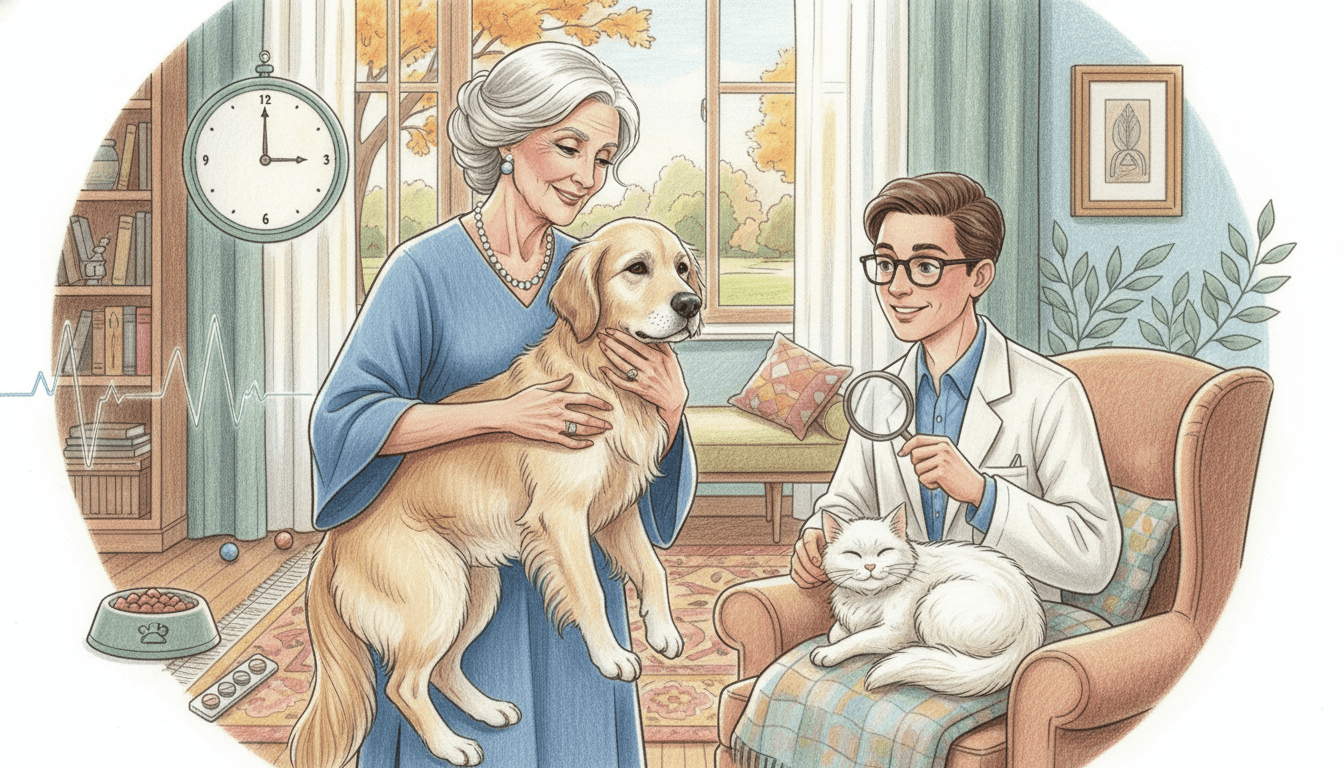
Comprehensive Geriatric Pet Care: Managing Age-Related Conditions and Enhancing Quality of Life
Geriatric pet care involves specialized attention to aging animals, focusing on managing chronic conditions, supporting mobility, and ensuring comfort. Key practices include regular veterinary check-ups, tailored nutrition, and environmental modifications. Early detection of issues like arthritis, dental disease, and cognitive decline can significantly improve outcomes. With proactive care, senior pets can maintain a high quality of life, emphasizing compassionate support and individualized interventions based on species, breed, and health status.
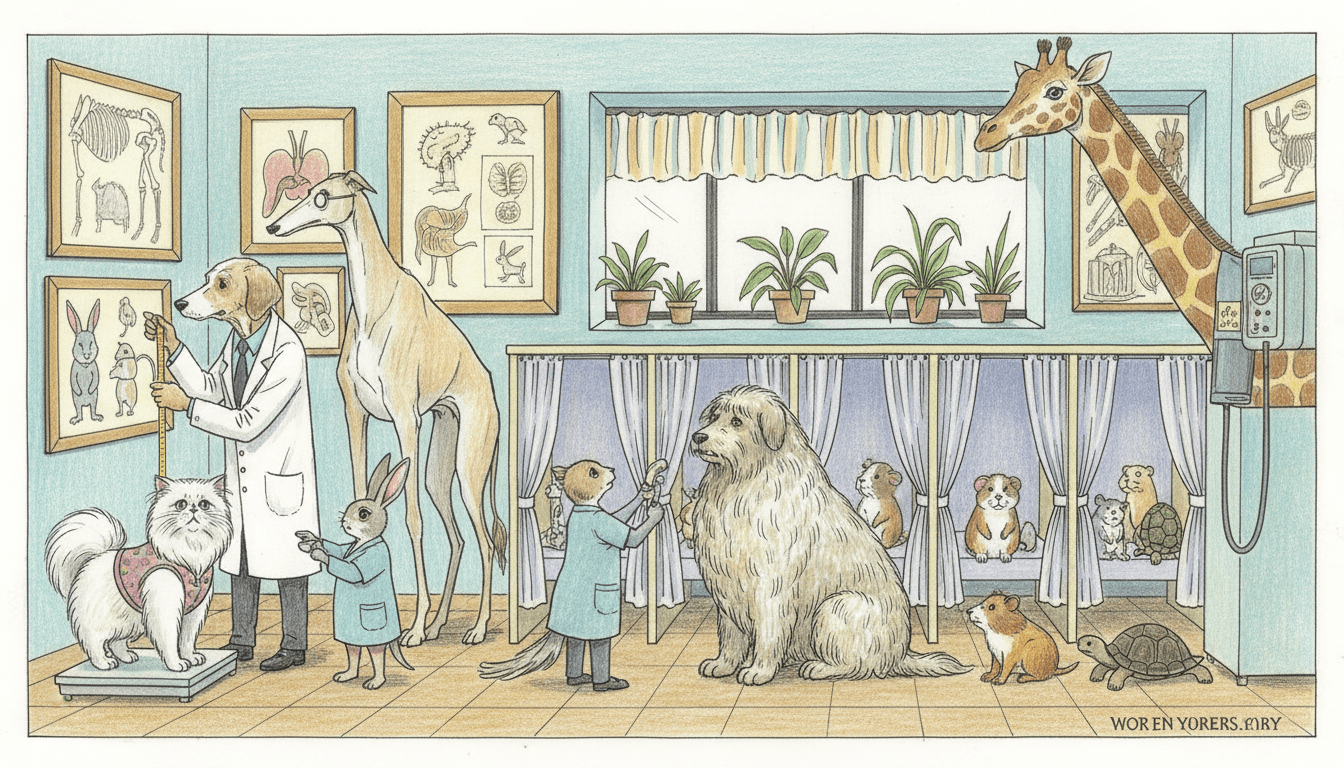
Routine Physical Examinations for Pets: Essential Health Screenings and Early Detection
Routine physical examinations are fundamental to proactive pet healthcare, enabling early detection of diseases through comprehensive screenings. These exams, recommended annually or bi-annually, involve detailed assessments of multiple body systems including cardiovascular, lymphatic, and organ functions. Veterinarians utilize these check-ups to identify issues like heart murmurs, tumors, and organ abnormalities before they escalate, significantly improving treatment outcomes and longevity. Supported by organizations like the American Veterinary Medical Association, regular exams are a cornerstone of preventive care, helping pet owners maintain their companions' health and well-being with evidence-based practices.

Pet Mental Health and Enrichment: Essential Strategies for Emotional Well-Being
Mental and emotional well-being is as vital for pets as physical health, with studies showing that 20-40% of pets exhibit anxiety or stress-related behaviors. This guide covers proven strategies from veterinary behavioral experts, including behavioral enrichment, anxiety management, and environmental stimulation. Learn how to implement interactive toys, routine adjustments, and safe spaces to reduce stress and prevent issues like separation anxiety or destructive habits, improving your pet's quality of life and strengthening your bond.

Holistic Pet Health Approaches: Integrating Traditional and Alternative Veterinary Medicine
Holistic pet health approaches combine traditional veterinary medicine with alternative therapies to address the complete well-being of animals, including physical, mental, and environmental factors. This comprehensive method integrates treatments like acupuncture, herbal remedies, and nutrition with conventional diagnostics and medications. By focusing on prevention and whole-body wellness, holistic care supports long-term health, reduces reliance on pharmaceuticals, and improves quality of life. Backed by veterinary experts, this approach ensures pets receive personalized, balanced care tailored to their unique needs.

Seasonal Pet Health Considerations: Comprehensive Adaptive Care Strategies
Seasonal shifts significantly impact pet health, demanding tailored care approaches to address varying environmental conditions. This guide explores temperature-related risks, seasonal parasite management, and environmental adaptation strategies essential for maintaining pet wellness year-round. With insights from veterinary experts, pet owners can implement preventive measures against heatstroke in summer, hypothermia in winter, and parasite infestations during transitional seasons. Understanding these dynamics helps mitigate health challenges, ensuring pets remain healthy, comfortable, and protected through every seasonal change.

Comprehensive Guide to Common Pet Health Risks and Effective Prevention Strategies
This detailed guide explores prevalent pet health risks, drawing on WSAVA data covering dental disease, obesity, parasitic infections, and chronic kidney disease. It emphasizes proactive veterinary care, nutrition, exercise, and dental hygiene as core prevention pillars. Learn to identify early illness signs, manage weight effectively, and implement comprehensive wellness routines to extend your pet's lifespan and quality of life through evidence-based strategies.

Comprehensive Pet Preventive Care Guide: A Holistic Approach to Lifelong Health
This detailed guide outlines a holistic strategy for proactive pet health management, emphasizing the critical role of preventive care in extending your companion's lifespan and quality of life. Learn about essential annual wellness exams, tailored vaccination schedules, year-round parasite prevention protocols, and advanced diagnostic screenings. Discover how proper nutrition, behavioral monitoring, and early intervention can prevent common health issues. Backed by AAHA standards, this resource provides actionable insights for pet owners committed to comprehensive preventive healthcare.

Understanding and Preventing Arthritis in Dogs: A Comprehensive Guide
Arthritis affects one in five dogs, particularly large breeds, obese, and senior dogs. Early detection through regular veterinary check-ups is vital for effective management. Prevention strategies include maintaining a healthy weight, incorporating joint supplements, and engaging in low-impact exercises. This guide provides expert insights to help dog owners recognize symptoms, implement preventive measures, and improve their pet's quality of life.

Comprehensive Dog Parasite Prevention Guide: Protecting Your Pet Year-Round
This guide details essential strategies for protecting dogs from common parasites like heartworms, fleas, ticks, and intestinal worms. Emphasizing year-round prevention, it covers oral medications, topical treatments, and preventive collars, alongside the importance of veterinary consultation for personalized plans. Learn how to safeguard your dog's health with reliable, data-backed methods from trusted sources like VCA Animal Hospitals.

Comprehensive Guide to Dental Care for Pets: Preventing Disease and Enhancing Lifespan
Dental disease affects 70-80% of dogs and cats by age three, often leading to severe health complications. This guide details essential practices like brushing with pet-specific toothpaste, scheduling annual veterinary check-ups, and recognizing early signs of dental issues. Learn how proactive dental care can prevent infections, reduce inflammation, and extend your pet's lifespan with expert-backed strategies and practical tips.

Comprehensive Weight Management for Pets: Preventing Obesity and Enhancing Lifespan
Obesity affects approximately 50% of pets, making it a critical health issue with severe consequences like diabetes, heart disease, and arthritis. This guide explores evidence-based strategies for maintaining a healthy weight through personalized diet and exercise plans, emphasizing veterinary consultation. Learn to identify risks, implement effective routines, and leverage professional insights to safeguard your pet's well-being and longevity.
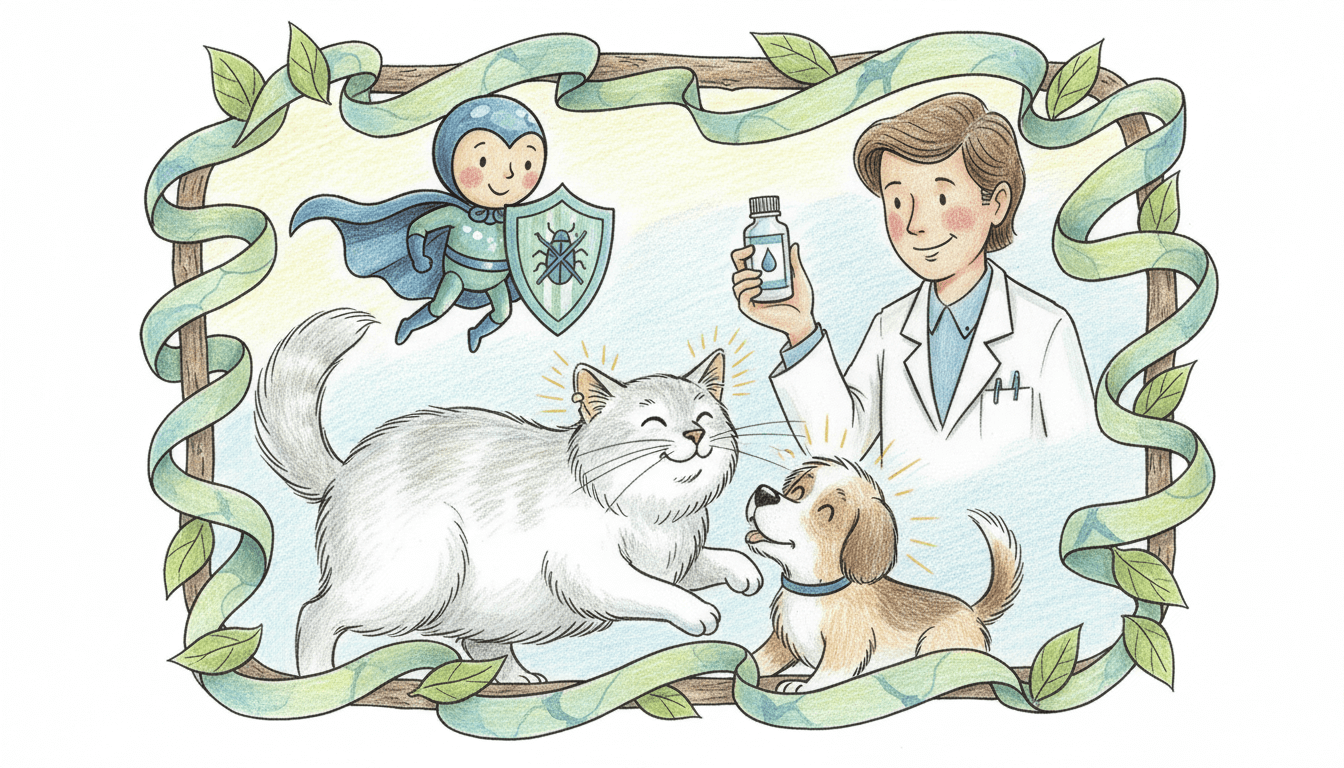
Pet Ear Health and Mite Prevention: Essential Guide for Pet Owners
Ear mites are a prevalent parasitic issue affecting pets, particularly in warm, humid climates, leading to discomfort and potential hearing complications. This guide details risk factors like warm environments and limited grooming, emphasizing prevention through regular ear checks, proper cleaning techniques, and veterinarian-recommended treatments. Cats are especially susceptible, making consistent ear care vital for overall health. By following expert advice, pet owners can safeguard their companions from infections and ensure long-term wellness.

Managing Canine Obesity and Weight Health: A Comprehensive Guide
Canine obesity is a critical health issue affecting over 50% of dogs in developed countries, leading to preventable conditions like diabetes, arthritis, and heart disease. This guide details evidence-based strategies from veterinary experts, including balanced nutrition with precise portion control, structured exercise regimens, and regular body condition scoring. Implementing these methods can extend your dog's lifespan by up to 2 years while enhancing mobility and overall vitality. Proactive weight management is essential for ensuring your pet's long-term well-being.

Intestinal Parasite Management in Pets: Prevention, Diagnosis, and Treatment
Intestinal parasites such as coccidia and giardia pose significant health risks to pets, especially puppies and kittens, by causing symptoms ranging from mild diarrhea to severe dehydration and malnutrition. Transmission primarily occurs via the fecal-oral route, contaminated water, or maternal sources. Effective management includes strict hygiene protocols, immediate feces cleanup, and regular veterinary screenings. Treatment protocols vary between dogs and cats, underscoring the necessity of professional veterinary oversight for accurate diagnosis and tailored care to ensure pet well-being.