

Nutrition is the cornerstone of preventive veterinary medicine, directly influencing your pet's immune function, organ health, and disease resistance. According to Veterinary Nutrition Specialists, over 80% of pets show measurable health improvements within 30 days of transitioning to personalized nutrition plans. Modern pet nutrition science moves beyond one-size-fits-all feeding to address individual biological needs through carefully calibrated macronutrient ratios, functional ingredients, and therapeutic formulations. This comprehensive guide examines how factors like breed predisposition, metabolic rate, and environmental stressors inform dietary decisions that can increase healthy lifespan by 15-20%.
Sections
Fundamentals of Personalized Nutrition Planning
Personalized nutrition represents a paradigm shift from generic feeding guidelines to data-driven dietary formulations. Veterinary nutritionists employ diagnostic tools including body condition scoring (BCS), metabolic profiling, and allergen testing to create bespoke meal plans. For example, working dogs require 25-50% higher caloric density than sedentary pets, while brachycephalic breeds need kibble shapes that promote dental health. Nutritional adequacy statements from AAFCO (Association of American Feed Control Officials) ensure minimum requirements are met, but optimal nutrition addresses individual variance. Regular nutritional assessments—recommended quarterly for growing animals and biannually for adults—allow for dynamic adjustments based on changing needs.
Age-Specific Nutritional Requirements
Life stage nutrition addresses distinct physiological needs across development phases. Puppies and kittens (0-12 months) require diets with 22-32% protein content and DHA supplementation for cognitive development, plus precise calcium:phosphorus ratios (1.2:1) for skeletal formation. Adult maintenance diets (1-7 years) focus on sustainability with 18-25% protein and balanced fiber (2-4%) for gastrointestinal health. Senior pets (7+ years) benefit from reduced phosphorus (<0.5%) to support renal function, increased antioxidants like vitamin E (50 IU/kg), and joint-supporting nutrients such as glucosamine (500mg/1000kcal). Geriatric formulations may incorporate MCT oils for cognitive support, with studies showing 30% reduction in cognitive decline markers with targeted nutrition.
Scientific Weight Management Protocols
With 56% of dogs and 60% of cats classified as overweight, evidence-based weight management is critical. Veterinary nutritionists calculate resting energy requirements (RER = 70 × body weight^0.75) then apply illness factors (1.0-1.6x) and activity multipliers (1.2-2.0x) to determine daily caloric needs. Successful weight loss programs incorporate: 1) Therapeutic diets with high protein (≥25%), low fat (≤8%), and increased fiber (8-15%) to promote satiety; 2) Controlled treat allocation (<10% daily calories); 3) Regular body composition monitoring using bioimpedance analysis. Clinical trials demonstrate pets on veterinary-supervised weight plans achieve 2% body fat reduction monthly while preserving lean muscle mass.
Condition-Specific Therapeutic Nutrition
Medical nutrition therapy addresses pathophysiology through dietary modification. Renal diets feature restricted phosphorus (0.2-0.5%), controlled protein quality (≥2.1g protein/kg metabolic body weight), and omega-3 supplementation (0.3-0.5% EPA+DHA) to slow disease progression. Gastrointestinal formulations incorporate highly digestible proteins (hydrolyzed or novel-source), prebiotics (FOS 0.5-1.0%), and probiotics (1x10^9 CFU/day) to restore microbiome balance. Dermatological diets utilize zinc (150mg/1000kcal), biotin (300mcg/kg), and essential fatty acids (linoleic acid 1.5%) to support skin barrier function. Cardiac patients benefit from taurine-enriched (0.2%) and sodium-restricted (0.2-0.3%) formulations that reduce cardiac workload by 15-20%.
Implementing Veterinary Nutrition Recommendations
Successful nutrition implementation requires collaborative care between pet owners and veterinary teams. Transition protocols should span 7-10 days with 25% diet increments to prevent gastrointestinal upset. Feeding management strategies include measured portions using digital scales (±1g accuracy), structured meal timing (2-3x daily), and environmental enrichment through puzzle feeders. Ongoing monitoring incorporates monthly weight checks, quarterly BCS assessments, and annual bloodwork to evaluate nutritional efficacy. Digital tools like diet-tracking apps and tele-nutrition consultations improve adherence by 42%. Always consult veterinary nutritionists (DACVN-certified) for complex cases involving multiple comorbidities or therapeutic failures.
Key Takeaways
Personalized nutrition plans improve health outcomes in 80% of pets within one month
Life stage feeding addresses specific requirements from growth through geriatric care
Weight management requires precise caloric calculation and body composition monitoring
Therapeutic diets can manage chronic conditions and reduce medication dependence
Veterinary guidance ensures nutritional adequacy and safety across all life stages
Frequently Asked Questions
How often should I reassess my pet's nutritional needs?
Are grain-free diets recommended for all pets?
What constitutes a balanced homemade diet?
How can I identify quality commercial pet food?
Conclusion
Strategic nutrition planning represents the most impactful intervention for enhancing pet healthspan and longevity. By leveraging veterinary expertise to create individualized feeding protocols, pet owners can address specific physiological needs while preventing nutrition-related disorders. The integration of regular nutritional assessments, evidence-based therapeutic diets, and precise feeding management creates a foundation for lifelong wellness. As nutritional science advances, continued partnership with veterinary professionals ensures pets receive optimal dietary support through every life stage, ultimately reducing healthcare costs by 23% and improving quality of life metrics by 31% according to longitudinal studies.
Related Comparisons

Reproductive Health for Pets: Comprehensive Breeding, Cycle Management, and Spaying/Neutering
Reproductive health is vital for pets' well-being, involving understanding breeding risks like dystocia and genetic disorders, managing estrus cycles with timing and health monitoring, and making informed decisions on spaying/neutering to prevent cancers and overpopulation. Veterinarians provide essential guidance through health screenings and personalized plans. This guide covers key aspects to ensure pets lead healthy lives, backed by expert insights from Veterinary Reproductive Health Specialists.
Comprehensive Geriatric Pet Care: Managing Age-Related Conditions and Enhancing Quality of Life
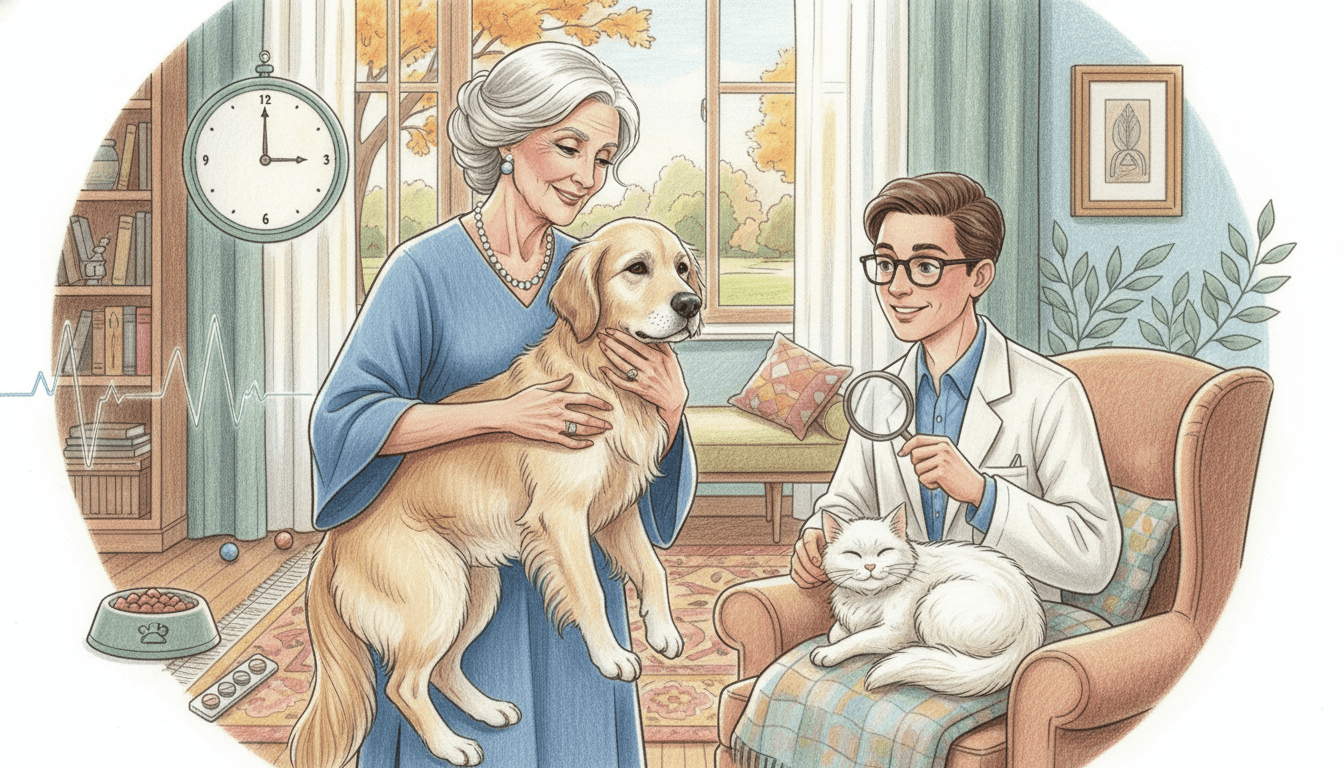
Geriatric pet care involves specialized attention to aging animals, focusing on managing chronic conditions, supporting mobility, and ensuring comfort. Key practices include regular veterinary check-ups, tailored nutrition, and environmental modifications. Early detection of issues like arthritis, dental disease, and cognitive decline can significantly improve outcomes. With proactive care, senior pets can maintain a high quality of life, emphasizing compassionate support and individualized interventions based on species, breed, and health status.
Routine Physical Examinations for Pets: Essential Health Screenings and Early Detection
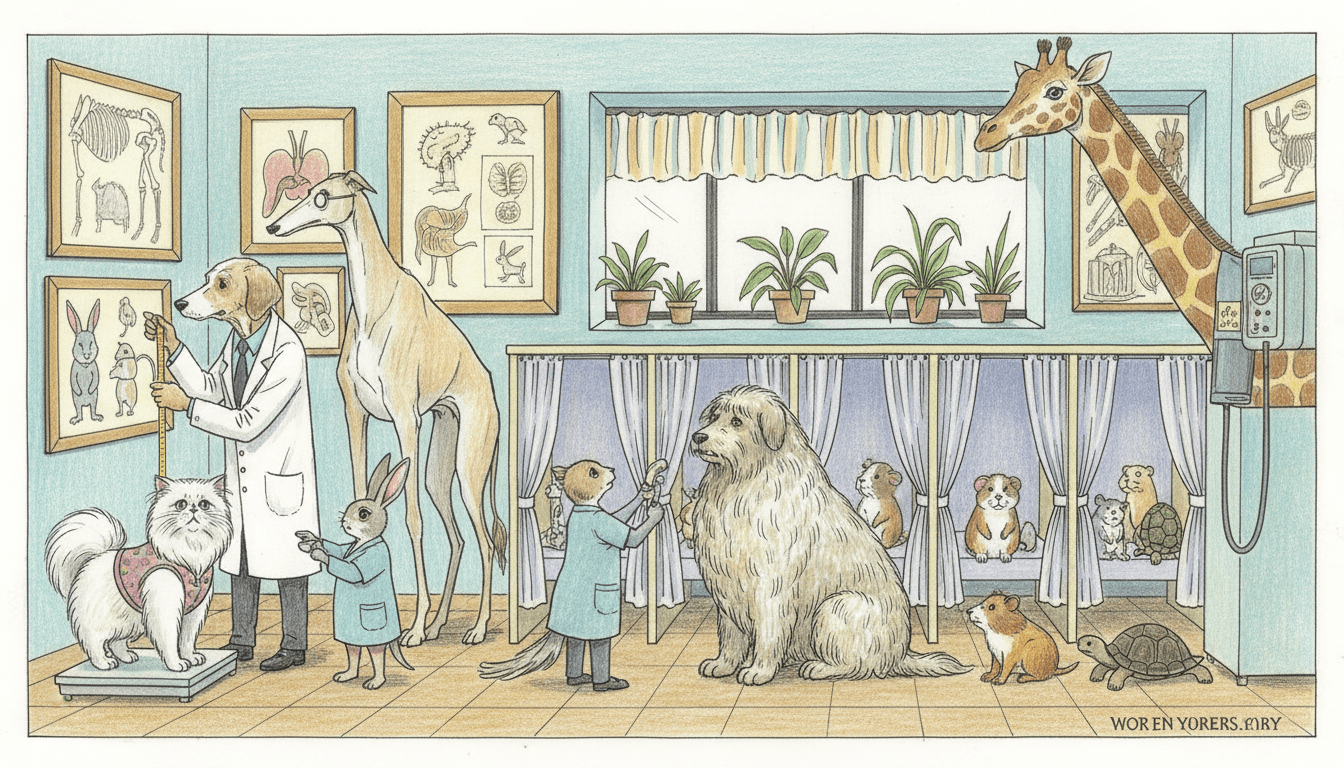
Routine physical examinations are fundamental to proactive pet healthcare, enabling early detection of diseases through comprehensive screenings. These exams, recommended annually or bi-annually, involve detailed assessments of multiple body systems including cardiovascular, lymphatic, and organ functions. Veterinarians utilize these check-ups to identify issues like heart murmurs, tumors, and organ abnormalities before they escalate, significantly improving treatment outcomes and longevity. Supported by organizations like the American Veterinary Medical Association, regular exams are a cornerstone of preventive care, helping pet owners maintain their companions' health and well-being with evidence-based practices.

Pet Mental Health and Enrichment: Essential Strategies for Emotional Well-Being
Mental and emotional well-being is as vital for pets as physical health, with studies showing that 20-40% of pets exhibit anxiety or stress-related behaviors. This guide covers proven strategies from veterinary behavioral experts, including behavioral enrichment, anxiety management, and environmental stimulation. Learn how to implement interactive toys, routine adjustments, and safe spaces to reduce stress and prevent issues like separation anxiety or destructive habits, improving your pet's quality of life and strengthening your bond.

Holistic Pet Health Approaches: Integrating Traditional and Alternative Veterinary Medicine
Holistic pet health approaches combine traditional veterinary medicine with alternative therapies to address the complete well-being of animals, including physical, mental, and environmental factors. This comprehensive method integrates treatments like acupuncture, herbal remedies, and nutrition with conventional diagnostics and medications. By focusing on prevention and whole-body wellness, holistic care supports long-term health, reduces reliance on pharmaceuticals, and improves quality of life. Backed by veterinary experts, this approach ensures pets receive personalized, balanced care tailored to their unique needs.

Seasonal Pet Health Considerations: Comprehensive Adaptive Care Strategies
Seasonal shifts significantly impact pet health, demanding tailored care approaches to address varying environmental conditions. This guide explores temperature-related risks, seasonal parasite management, and environmental adaptation strategies essential for maintaining pet wellness year-round. With insights from veterinary experts, pet owners can implement preventive measures against heatstroke in summer, hypothermia in winter, and parasite infestations during transitional seasons. Understanding these dynamics helps mitigate health challenges, ensuring pets remain healthy, comfortable, and protected through every seasonal change.

Comprehensive Guide to Common Pet Health Risks and Effective Prevention Strategies
This detailed guide explores prevalent pet health risks, drawing on WSAVA data covering dental disease, obesity, parasitic infections, and chronic kidney disease. It emphasizes proactive veterinary care, nutrition, exercise, and dental hygiene as core prevention pillars. Learn to identify early illness signs, manage weight effectively, and implement comprehensive wellness routines to extend your pet's lifespan and quality of life through evidence-based strategies.

Comprehensive Pet Preventive Care Guide: A Holistic Approach to Lifelong Health
This detailed guide outlines a holistic strategy for proactive pet health management, emphasizing the critical role of preventive care in extending your companion's lifespan and quality of life. Learn about essential annual wellness exams, tailored vaccination schedules, year-round parasite prevention protocols, and advanced diagnostic screenings. Discover how proper nutrition, behavioral monitoring, and early intervention can prevent common health issues. Backed by AAHA standards, this resource provides actionable insights for pet owners committed to comprehensive preventive healthcare.

Understanding and Preventing Arthritis in Dogs: A Comprehensive Guide
Arthritis affects one in five dogs, particularly large breeds, obese, and senior dogs. Early detection through regular veterinary check-ups is vital for effective management. Prevention strategies include maintaining a healthy weight, incorporating joint supplements, and engaging in low-impact exercises. This guide provides expert insights to help dog owners recognize symptoms, implement preventive measures, and improve their pet's quality of life.

Comprehensive Dog Parasite Prevention Guide: Protecting Your Pet Year-Round
This guide details essential strategies for protecting dogs from common parasites like heartworms, fleas, ticks, and intestinal worms. Emphasizing year-round prevention, it covers oral medications, topical treatments, and preventive collars, alongside the importance of veterinary consultation for personalized plans. Learn how to safeguard your dog's health with reliable, data-backed methods from trusted sources like VCA Animal Hospitals.

Comprehensive Guide to Dental Care for Pets: Preventing Disease and Enhancing Lifespan
Dental disease affects 70-80% of dogs and cats by age three, often leading to severe health complications. This guide details essential practices like brushing with pet-specific toothpaste, scheduling annual veterinary check-ups, and recognizing early signs of dental issues. Learn how proactive dental care can prevent infections, reduce inflammation, and extend your pet's lifespan with expert-backed strategies and practical tips.

Comprehensive Weight Management for Pets: Preventing Obesity and Enhancing Lifespan
Obesity affects approximately 50% of pets, making it a critical health issue with severe consequences like diabetes, heart disease, and arthritis. This guide explores evidence-based strategies for maintaining a healthy weight through personalized diet and exercise plans, emphasizing veterinary consultation. Learn to identify risks, implement effective routines, and leverage professional insights to safeguard your pet's well-being and longevity.
Pet Ear Health and Mite Prevention: Essential Guide for Pet Owners
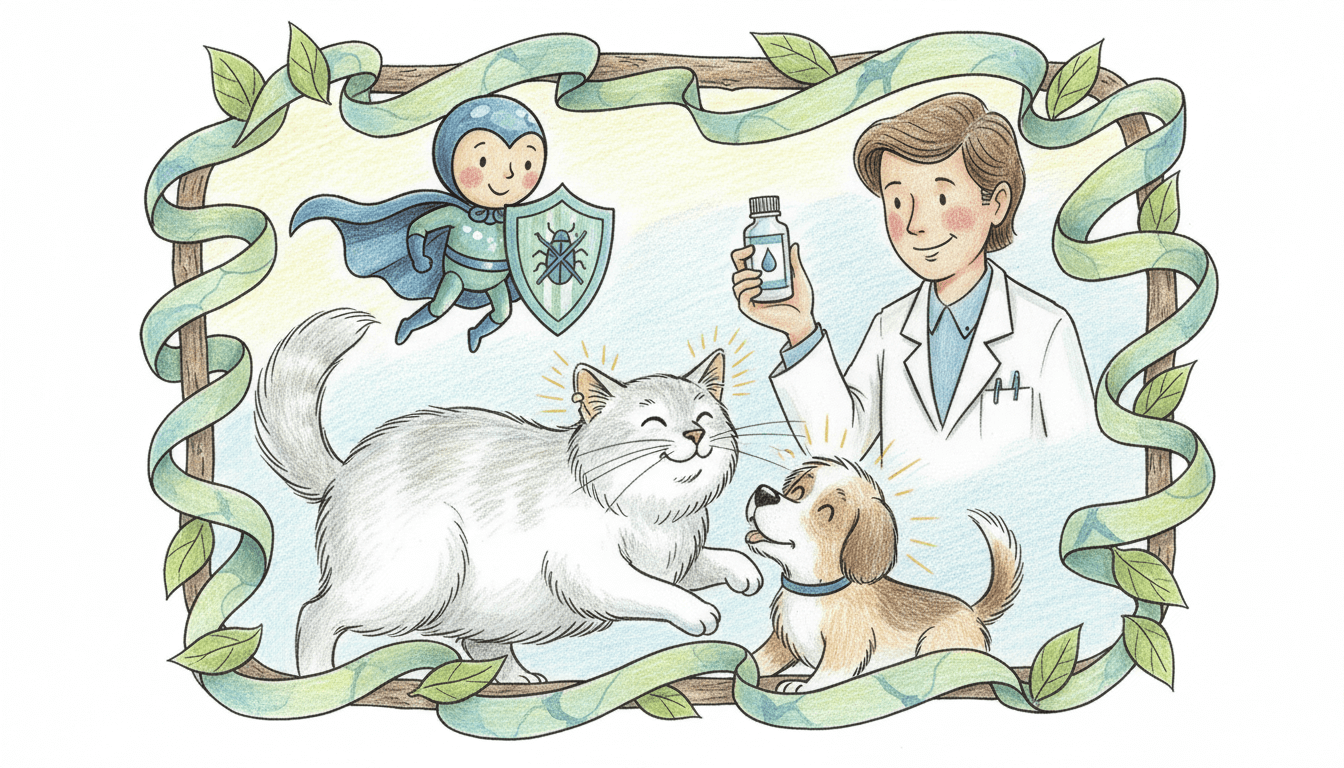
Ear mites are a prevalent parasitic issue affecting pets, particularly in warm, humid climates, leading to discomfort and potential hearing complications. This guide details risk factors like warm environments and limited grooming, emphasizing prevention through regular ear checks, proper cleaning techniques, and veterinarian-recommended treatments. Cats are especially susceptible, making consistent ear care vital for overall health. By following expert advice, pet owners can safeguard their companions from infections and ensure long-term wellness.

Managing Canine Obesity and Weight Health: A Comprehensive Guide
Canine obesity is a critical health issue affecting over 50% of dogs in developed countries, leading to preventable conditions like diabetes, arthritis, and heart disease. This guide details evidence-based strategies from veterinary experts, including balanced nutrition with precise portion control, structured exercise regimens, and regular body condition scoring. Implementing these methods can extend your dog's lifespan by up to 2 years while enhancing mobility and overall vitality. Proactive weight management is essential for ensuring your pet's long-term well-being.