

Pain management in pets is a critical aspect of veterinary medicine, as animals often mask discomfort due to evolutionary survival instincts. This behavior can delay diagnosis, leading to exacerbated health issues. According to Veterinary Pain Management Experts, professional assessment is indispensable, employing methods like physical examination, diagnostic testing, and behavioral analysis to uncover hidden pain. This article delves into the comprehensive strategies used by veterinarians, detailing detection techniques, treatment options, and owner responsibilities to ensure pets receive timely and effective care.
Sections
Understanding Pain Concealment in Pets
Pets, including dogs and cats, have inherited the instinct to hide pain from predators, making it challenging for owners to detect issues early. Studies show that up to 60% of pets with chronic conditions exhibit subtle signs, such as reduced activity or changes in appetite, which are easily overlooked. Veterinarians emphasize that this concealment can result in delayed treatment, worsening conditions like arthritis or dental disease. Behavioral cues, like hiding or aggression, often emerge only when pain becomes severe. Regular monitoring and understanding species-specific behaviors are crucial for early intervention.
Professional Assessment Methods
Veterinarians employ a multi-faceted approach to pain assessment, starting with a thorough physical examination. This includes palpating joints, checking for swelling, and evaluating gait, which can reveal issues like osteoarthritis in over 20% of senior dogs. Diagnostic testing, such as X-rays, blood work, and MRI scans, helps identify underlying causes, with imaging detecting fractures or tumors in approximately 15% of cases. Behavioral assessment involves observing changes in interaction, sleep patterns, and vocalization, supported by tools like the Glasgow Composite Pain Scale. These methods ensure accurate diagnosis, guiding tailored treatment plans.
Comprehensive Pain Management Strategies
Effective pain management combines pharmacological and non-pharmacological interventions. NSAIDs (Non-Steroidal Anti-Inflammatory Drugs) are commonly prescribed, with studies indicating efficacy in 80-90% of cases for inflammatory pain. Adjunct therapies include physical therapy, which improves mobility in 70% of pets with musculoskeletal issues, and acupuncture, shown to reduce pain scores by 50% in clinical trials. Lifestyle modifications, such as weight management and orthopedic bedding, play a vital role, reducing stress on joints. Veterinarians customize plans based on factors like age, breed, and pain severity, ensuring holistic care.
Role of Pet Owners in Pain Detection
Owners are essential in early pain detection, as they observe pets daily. Key signs to watch for include limping, decreased playfulness, or reluctance to climb stairs, which may indicate joint pain. Regular veterinary check-ups—at least annually for adult pets and biannually for seniors—help monitor health. Keeping a pain diary noting behavioral changes can aid veterinarians in diagnosis. Additionally, providing a comfortable environment and adhering to treatment plans, including medication schedules, enhances recovery. Education on species-specific cues, like cats grooming less, empowers owners to act promptly.
Key Takeaways
Pets often hide pain, requiring vigilant observation by owners.
Veterinary assessments use physical exams, diagnostics, and behavioral evaluations.
Treatment plans are tailored, combining drugs, therapy, and lifestyle changes.
Early detection prevents chronic conditions and improves outcomes.
Frequently Asked Questions
What are common signs of pain in pets?
How often should pets be assessed for pain?
Are there natural remedies for pet pain management?
Can pain management improve a pet's quality of life?
Conclusion
Pain management in pets demands a proactive, collaborative approach between veterinarians and owners. By leveraging advanced assessment techniques and individualized treatments, we can overcome the challenge of pain concealment, ensuring pets lead comfortable, healthy lives. Regular monitoring and adherence to professional advice are paramount, as early intervention significantly impacts long-term outcomes. Trust in veterinary expertise and stay informed to provide the best care for your furry companions.
Related Comparisons

Comprehensive Preventive Care for Exotic Pets: Specialized Veterinary Approaches
Exotic pets, including reptiles, birds, and small mammals, require specialized veterinary care tailored to their unique physiological and environmental needs. This guide explores preventive health strategies, emphasizing species-specific nutrition, disease risks, and habitat management. With 60% of exotic pet health issues stemming from improper care, early detection through regular check-ups and monitoring is vital. Learn how to partner with certified exotic veterinarians to ensure your pet's longevity and well-being through evidence-based preventive measures.

Comprehensive Pet Travel and Safety: Essential Protocols for Secure Transportation
This guide details critical protocols for ensuring pet safety during travel, covering proper restraint methods, health risk mitigation, and thorough preparation steps. Veterinary experts emphasize using certified harnesses and carriers to reduce injury risks by up to 75%, addressing motion sickness through pre-travel fasting and medications, and maintaining updated health documentation. Learn to implement these evidence-based strategies for stress-free journeys, protecting your pet from common hazards like dehydration, heatstroke, and anxiety during transit.

Environmental Health Risks for Pets: Identification, Prevention, and Protection
Pets face numerous environmental health risks from household toxins, temperature extremes, toxic plants, and outdoor hazards. This guide details how to identify these dangers, implement preventive measures, and create safe living spaces. Drawing from Veterinary Environmental Health Specialists, it covers symptoms of exposure, emergency responses, and long-term strategies to safeguard pet health through awareness and proactive care.

Kidney Disease Prevention in Pets: Early Detection and Proactive Care
Chronic kidney disease (CKD) is a progressive condition affecting pets, often remaining asymptomatic until 75% of kidney function is lost. This guide emphasizes the critical role of routine veterinary care, including blood work and urinalysis, for early detection and management. By identifying subtle signs early, pet owners can implement timely interventions—such as dietary adjustments, hydration support, and medication—to slow disease progression and enhance their pet's quality of life. Learn actionable strategies to protect your pet's renal health and reduce risks associated with CKD.

Comprehensive Pet Nutrition Guidance: Personalized Dietary Plans for Optimal Health
Proper nutrition is foundational to your pet's health, longevity, and quality of life. Veterinary nutrition specialists emphasize creating customized dietary plans tailored to individual factors like age, weight, activity level, and specific health conditions. This guide explores age-specific nutritional needs—from puppy/kitten formulas to senior diets—weight management strategies to prevent obesity, and condition-specific nutrition for ailments like renal disease or allergies. With 60% of pets requiring dietary adjustments by age 7, proactive nutrition planning can extend lifespan by up to 1.8 years. Learn how to collaborate with veterinarians for evidence-based feeding protocols.

Reproductive Health for Pets: Comprehensive Breeding, Cycle Management, and Spaying/Neutering
Reproductive health is vital for pets' well-being, involving understanding breeding risks like dystocia and genetic disorders, managing estrus cycles with timing and health monitoring, and making informed decisions on spaying/neutering to prevent cancers and overpopulation. Veterinarians provide essential guidance through health screenings and personalized plans. This guide covers key aspects to ensure pets lead healthy lives, backed by expert insights from Veterinary Reproductive Health Specialists.

Comprehensive Geriatric Pet Care: Managing Age-Related Conditions and Enhancing Quality of Life
Geriatric pet care involves specialized attention to aging animals, focusing on managing chronic conditions, supporting mobility, and ensuring comfort. Key practices include regular veterinary check-ups, tailored nutrition, and environmental modifications. Early detection of issues like arthritis, dental disease, and cognitive decline can significantly improve outcomes. With proactive care, senior pets can maintain a high quality of life, emphasizing compassionate support and individualized interventions based on species, breed, and health status.
Routine Physical Examinations for Pets: Essential Health Screenings and Early Detection
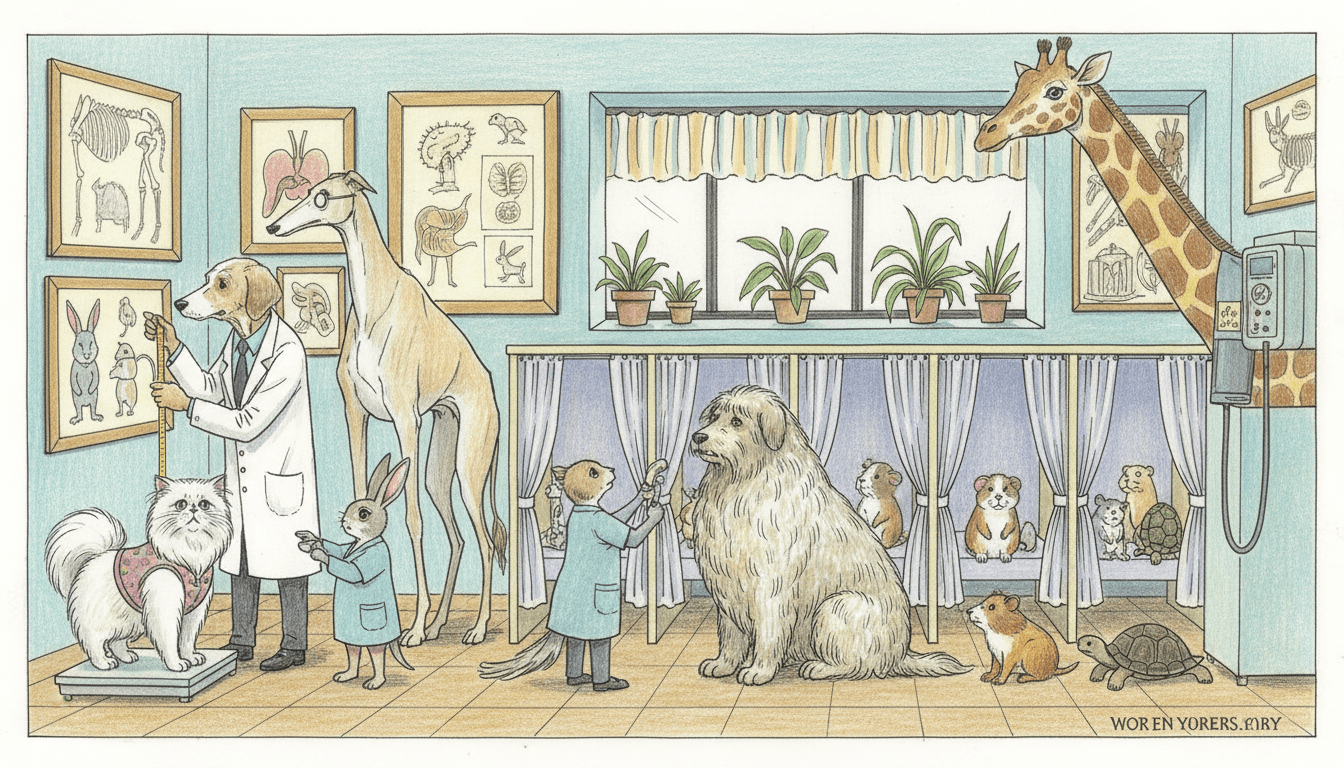
Routine physical examinations are fundamental to proactive pet healthcare, enabling early detection of diseases through comprehensive screenings. These exams, recommended annually or bi-annually, involve detailed assessments of multiple body systems including cardiovascular, lymphatic, and organ functions. Veterinarians utilize these check-ups to identify issues like heart murmurs, tumors, and organ abnormalities before they escalate, significantly improving treatment outcomes and longevity. Supported by organizations like the American Veterinary Medical Association, regular exams are a cornerstone of preventive care, helping pet owners maintain their companions' health and well-being with evidence-based practices.

Pet Mental Health and Enrichment: Essential Strategies for Emotional Well-Being
Mental and emotional well-being is as vital for pets as physical health, with studies showing that 20-40% of pets exhibit anxiety or stress-related behaviors. This guide covers proven strategies from veterinary behavioral experts, including behavioral enrichment, anxiety management, and environmental stimulation. Learn how to implement interactive toys, routine adjustments, and safe spaces to reduce stress and prevent issues like separation anxiety or destructive habits, improving your pet's quality of life and strengthening your bond.

Holistic Pet Health Approaches: Integrating Traditional and Alternative Veterinary Medicine
Holistic pet health approaches combine traditional veterinary medicine with alternative therapies to address the complete well-being of animals, including physical, mental, and environmental factors. This comprehensive method integrates treatments like acupuncture, herbal remedies, and nutrition with conventional diagnostics and medications. By focusing on prevention and whole-body wellness, holistic care supports long-term health, reduces reliance on pharmaceuticals, and improves quality of life. Backed by veterinary experts, this approach ensures pets receive personalized, balanced care tailored to their unique needs.

Seasonal Pet Health Considerations: Comprehensive Adaptive Care Strategies
Seasonal shifts significantly impact pet health, demanding tailored care approaches to address varying environmental conditions. This guide explores temperature-related risks, seasonal parasite management, and environmental adaptation strategies essential for maintaining pet wellness year-round. With insights from veterinary experts, pet owners can implement preventive measures against heatstroke in summer, hypothermia in winter, and parasite infestations during transitional seasons. Understanding these dynamics helps mitigate health challenges, ensuring pets remain healthy, comfortable, and protected through every seasonal change.

Comprehensive Guide to Common Pet Health Risks and Effective Prevention Strategies
This detailed guide explores prevalent pet health risks, drawing on WSAVA data covering dental disease, obesity, parasitic infections, and chronic kidney disease. It emphasizes proactive veterinary care, nutrition, exercise, and dental hygiene as core prevention pillars. Learn to identify early illness signs, manage weight effectively, and implement comprehensive wellness routines to extend your pet's lifespan and quality of life through evidence-based strategies.

Comprehensive Pet Preventive Care Guide: A Holistic Approach to Lifelong Health
This detailed guide outlines a holistic strategy for proactive pet health management, emphasizing the critical role of preventive care in extending your companion's lifespan and quality of life. Learn about essential annual wellness exams, tailored vaccination schedules, year-round parasite prevention protocols, and advanced diagnostic screenings. Discover how proper nutrition, behavioral monitoring, and early intervention can prevent common health issues. Backed by AAHA standards, this resource provides actionable insights for pet owners committed to comprehensive preventive healthcare.

Understanding and Preventing Arthritis in Dogs: A Comprehensive Guide
Arthritis affects one in five dogs, particularly large breeds, obese, and senior dogs. Early detection through regular veterinary check-ups is vital for effective management. Prevention strategies include maintaining a healthy weight, incorporating joint supplements, and engaging in low-impact exercises. This guide provides expert insights to help dog owners recognize symptoms, implement preventive measures, and improve their pet's quality of life.