

Exotic pets, encompassing species from reptiles and birds to small mammals like hedgehogs and sugar gliders, demand specialized preventive care distinct from traditional companion animals. According to Exotic Pet Veterinary Specialists, over 70% of health issues in these animals are preventable through tailored approaches. This article delves into the critical components of exotic pet health, including specialized veterinary interventions, unique dietary requirements, and environmental management, to help owners foster optimal well-being and early problem detection.
Sections
Specialized Veterinary Care for Exotic Species
Exotic pets require veterinarians with advanced training in species-specific medicine, as their anatomy, physiology, and behavior differ significantly from dogs and cats. Certified exotic veterinarians, often holding credentials from organizations like the American Board of Veterinary Practitioners (ABVP), conduct thorough assessments including blood work, imaging, and behavioral evaluations. For instance, reptiles may need radiographs to detect metabolic bone disease, while birds require beak and feather exams for psittacine beak and feather disease (PBFD). Regular biannual check-ups are recommended, as exotic pets often mask illness until advanced stages. Studies show that early veterinary intervention can reduce mortality rates by up to 40% in species like chinchillas and ferrets.
Unique Preventive Health Approaches
Preventive care for exotic pets involves customized strategies based on species, age, and habitat. Vaccinations, while less common, are available for certain diseases such as distemper in ferrets. Parasite control is crucial; for example, external parasites like mites affect over 30% of captive reptiles if not managed. Dental care is vital for rodents, whose teeth grow continuously, requiring chew toys and professional filings. Environmental enrichment, such as providing climbing structures for arboreal species, reduces stress-related illnesses. Additionally, quarantine protocols for new pets prevent the spread of zoonotic diseases, which account for 15% of exotic pet health incidents.
Species-Specific Health Monitoring
Monitoring exotic pets involves tracking parameters like weight, appetite, and behavior daily. For reptiles, maintaining precise thermal gradients (e.g., 85-95°F for basking spots) prevents digestive issues, while humidity levels must be species-appropriate—50-60% for tropical frogs versus 20-30% for desert lizards. Birds need social interaction to avoid psychological disorders like feather plucking, observed in 25% of neglected parrots. Small mammals, such as guinea pigs, require vitamin C supplementation to prevent scurvy. Owners should log observations and seek veterinary advice if deviations occur, as rapid response can improve outcomes by 50%.
Specialized Nutrition and Dietary Management
Nutrition is a cornerstone of preventive care, with imbalances leading to 40% of exotic pet health issues. Herbivorous reptiles like iguanas need calcium-rich greens to prevent metabolic bone disease, while insectivorous species require gut-loaded insects. Birds thrive on pelleted diets supplemented with fresh fruits, avoiding seed-only regimens that cause obesity. Small mammals have specific needs; rabbits require high-fiber hay for dental and digestive health. Consult a veterinarian to formulate diets, as improper nutrition shortens lifespans—for example, sugar gliders fed inadequate protein may live only 4-5 years instead of 12-15.
Environmental Requirements and Disease Risks
Habitat setup directly impacts health; inadequate enclosures contribute to 35% of exotic pet illnesses. Reptiles need UVB lighting for vitamin D3 synthesis, reducing the risk of metabolic diseases by 60%. Amphibians require clean, dechlorinated water to prevent skin infections. Unique disease risks include avian influenza in birds and salmonellosis in reptiles, which can transmit to humans. Regular cleaning with pet-safe disinfectants and monitoring for signs like lethargy or abnormal droppings are essential. Partner with a veterinarian to design habitats that mimic natural environments, enhancing immunity and reducing stress-induced conditions.
Key Takeaways
Schedule biannual check-ups with certified exotic veterinarians for early disease detection.
Tailor diets to species-specific needs to prevent nutritional deficiencies.
Maintain optimal environmental conditions, including temperature and humidity.
Monitor behavior and physical changes daily to identify issues promptly.
Implement quarantine and hygiene practices to minimize disease transmission.
Frequently Asked Questions
How often should exotic pets see a veterinarian?
What are common nutritional mistakes for exotic pets?
Can exotic pets transmit diseases to humans?
What environmental factors are critical for exotic pet health?
Conclusion
Proactive preventive care is essential for exotic pets, relying on specialized veterinary expertise, tailored nutrition, and meticulous environmental management. By understanding species-specific needs and partnering with qualified professionals, owners can significantly enhance their pets' health and longevity. Regular monitoring and adherence to evidence-based guidelines not only prevent common ailments but also strengthen the human-animal bond, ensuring a fulfilling life for these unique companions.
Related Comparisons

Comprehensive Pet Travel and Safety: Essential Protocols for Secure Transportation
This guide details critical protocols for ensuring pet safety during travel, covering proper restraint methods, health risk mitigation, and thorough preparation steps. Veterinary experts emphasize using certified harnesses and carriers to reduce injury risks by up to 75%, addressing motion sickness through pre-travel fasting and medications, and maintaining updated health documentation. Learn to implement these evidence-based strategies for stress-free journeys, protecting your pet from common hazards like dehydration, heatstroke, and anxiety during transit.

Environmental Health Risks for Pets: Identification, Prevention, and Protection
Pets face numerous environmental health risks from household toxins, temperature extremes, toxic plants, and outdoor hazards. This guide details how to identify these dangers, implement preventive measures, and create safe living spaces. Drawing from Veterinary Environmental Health Specialists, it covers symptoms of exposure, emergency responses, and long-term strategies to safeguard pet health through awareness and proactive care.

Kidney Disease Prevention in Pets: Early Detection and Proactive Care
Chronic kidney disease (CKD) is a progressive condition affecting pets, often remaining asymptomatic until 75% of kidney function is lost. This guide emphasizes the critical role of routine veterinary care, including blood work and urinalysis, for early detection and management. By identifying subtle signs early, pet owners can implement timely interventions—such as dietary adjustments, hydration support, and medication—to slow disease progression and enhance their pet's quality of life. Learn actionable strategies to protect your pet's renal health and reduce risks associated with CKD.

Comprehensive Pet Nutrition Guidance: Personalized Dietary Plans for Optimal Health
Proper nutrition is foundational to your pet's health, longevity, and quality of life. Veterinary nutrition specialists emphasize creating customized dietary plans tailored to individual factors like age, weight, activity level, and specific health conditions. This guide explores age-specific nutritional needs—from puppy/kitten formulas to senior diets—weight management strategies to prevent obesity, and condition-specific nutrition for ailments like renal disease or allergies. With 60% of pets requiring dietary adjustments by age 7, proactive nutrition planning can extend lifespan by up to 1.8 years. Learn how to collaborate with veterinarians for evidence-based feeding protocols.

Reproductive Health for Pets: Comprehensive Breeding, Cycle Management, and Spaying/Neutering
Reproductive health is vital for pets' well-being, involving understanding breeding risks like dystocia and genetic disorders, managing estrus cycles with timing and health monitoring, and making informed decisions on spaying/neutering to prevent cancers and overpopulation. Veterinarians provide essential guidance through health screenings and personalized plans. This guide covers key aspects to ensure pets lead healthy lives, backed by expert insights from Veterinary Reproductive Health Specialists.

Comprehensive Geriatric Pet Care: Managing Age-Related Conditions and Enhancing Quality of Life
Geriatric pet care involves specialized attention to aging animals, focusing on managing chronic conditions, supporting mobility, and ensuring comfort. Key practices include regular veterinary check-ups, tailored nutrition, and environmental modifications. Early detection of issues like arthritis, dental disease, and cognitive decline can significantly improve outcomes. With proactive care, senior pets can maintain a high quality of life, emphasizing compassionate support and individualized interventions based on species, breed, and health status.
Routine Physical Examinations for Pets: Essential Health Screenings and Early Detection
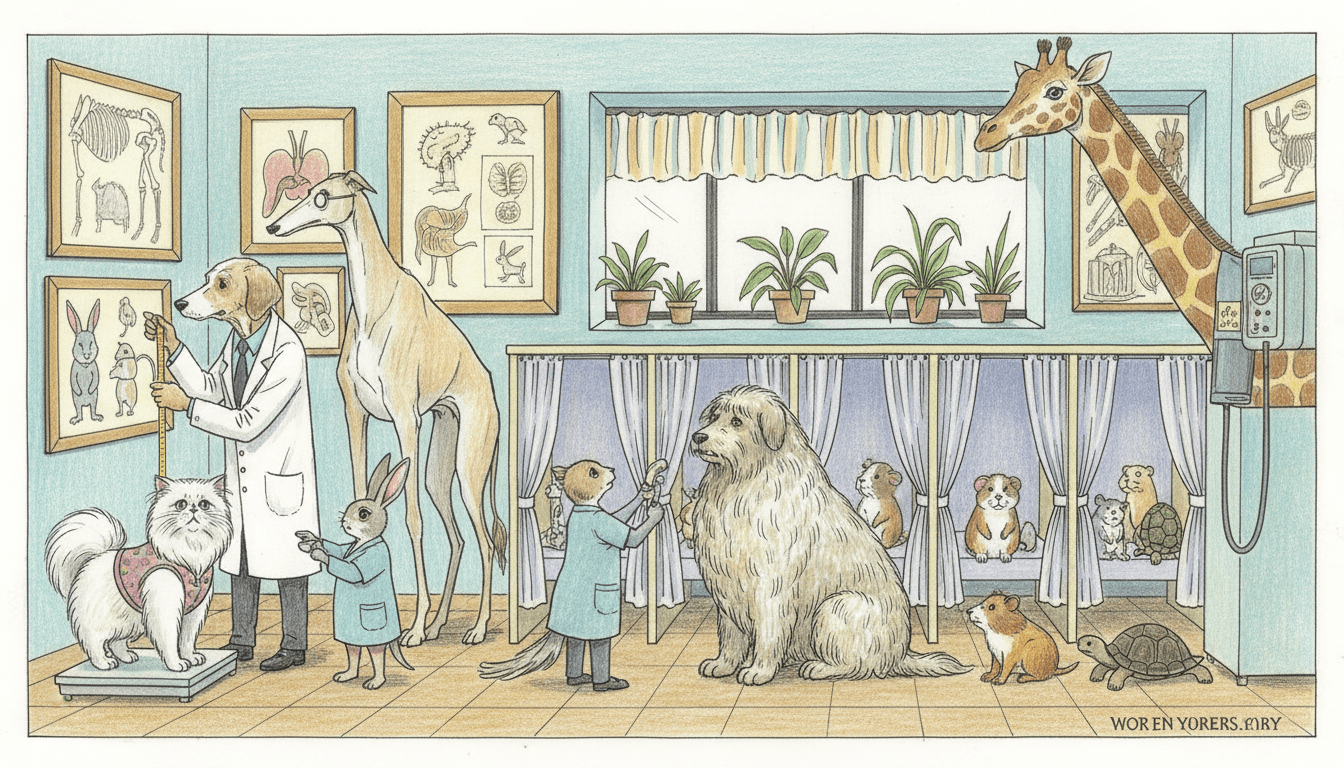
Routine physical examinations are fundamental to proactive pet healthcare, enabling early detection of diseases through comprehensive screenings. These exams, recommended annually or bi-annually, involve detailed assessments of multiple body systems including cardiovascular, lymphatic, and organ functions. Veterinarians utilize these check-ups to identify issues like heart murmurs, tumors, and organ abnormalities before they escalate, significantly improving treatment outcomes and longevity. Supported by organizations like the American Veterinary Medical Association, regular exams are a cornerstone of preventive care, helping pet owners maintain their companions' health and well-being with evidence-based practices.

Pet Mental Health and Enrichment: Essential Strategies for Emotional Well-Being
Mental and emotional well-being is as vital for pets as physical health, with studies showing that 20-40% of pets exhibit anxiety or stress-related behaviors. This guide covers proven strategies from veterinary behavioral experts, including behavioral enrichment, anxiety management, and environmental stimulation. Learn how to implement interactive toys, routine adjustments, and safe spaces to reduce stress and prevent issues like separation anxiety or destructive habits, improving your pet's quality of life and strengthening your bond.

Holistic Pet Health Approaches: Integrating Traditional and Alternative Veterinary Medicine
Holistic pet health approaches combine traditional veterinary medicine with alternative therapies to address the complete well-being of animals, including physical, mental, and environmental factors. This comprehensive method integrates treatments like acupuncture, herbal remedies, and nutrition with conventional diagnostics and medications. By focusing on prevention and whole-body wellness, holistic care supports long-term health, reduces reliance on pharmaceuticals, and improves quality of life. Backed by veterinary experts, this approach ensures pets receive personalized, balanced care tailored to their unique needs.

Seasonal Pet Health Considerations: Comprehensive Adaptive Care Strategies
Seasonal shifts significantly impact pet health, demanding tailored care approaches to address varying environmental conditions. This guide explores temperature-related risks, seasonal parasite management, and environmental adaptation strategies essential for maintaining pet wellness year-round. With insights from veterinary experts, pet owners can implement preventive measures against heatstroke in summer, hypothermia in winter, and parasite infestations during transitional seasons. Understanding these dynamics helps mitigate health challenges, ensuring pets remain healthy, comfortable, and protected through every seasonal change.

Comprehensive Guide to Common Pet Health Risks and Effective Prevention Strategies
This detailed guide explores prevalent pet health risks, drawing on WSAVA data covering dental disease, obesity, parasitic infections, and chronic kidney disease. It emphasizes proactive veterinary care, nutrition, exercise, and dental hygiene as core prevention pillars. Learn to identify early illness signs, manage weight effectively, and implement comprehensive wellness routines to extend your pet's lifespan and quality of life through evidence-based strategies.

Comprehensive Pet Preventive Care Guide: A Holistic Approach to Lifelong Health
This detailed guide outlines a holistic strategy for proactive pet health management, emphasizing the critical role of preventive care in extending your companion's lifespan and quality of life. Learn about essential annual wellness exams, tailored vaccination schedules, year-round parasite prevention protocols, and advanced diagnostic screenings. Discover how proper nutrition, behavioral monitoring, and early intervention can prevent common health issues. Backed by AAHA standards, this resource provides actionable insights for pet owners committed to comprehensive preventive healthcare.

Understanding and Preventing Arthritis in Dogs: A Comprehensive Guide
Arthritis affects one in five dogs, particularly large breeds, obese, and senior dogs. Early detection through regular veterinary check-ups is vital for effective management. Prevention strategies include maintaining a healthy weight, incorporating joint supplements, and engaging in low-impact exercises. This guide provides expert insights to help dog owners recognize symptoms, implement preventive measures, and improve their pet's quality of life.

Comprehensive Dog Parasite Prevention Guide: Protecting Your Pet Year-Round
This guide details essential strategies for protecting dogs from common parasites like heartworms, fleas, ticks, and intestinal worms. Emphasizing year-round prevention, it covers oral medications, topical treatments, and preventive collars, alongside the importance of veterinary consultation for personalized plans. Learn how to safeguard your dog's health with reliable, data-backed methods from trusted sources like VCA Animal Hospitals.